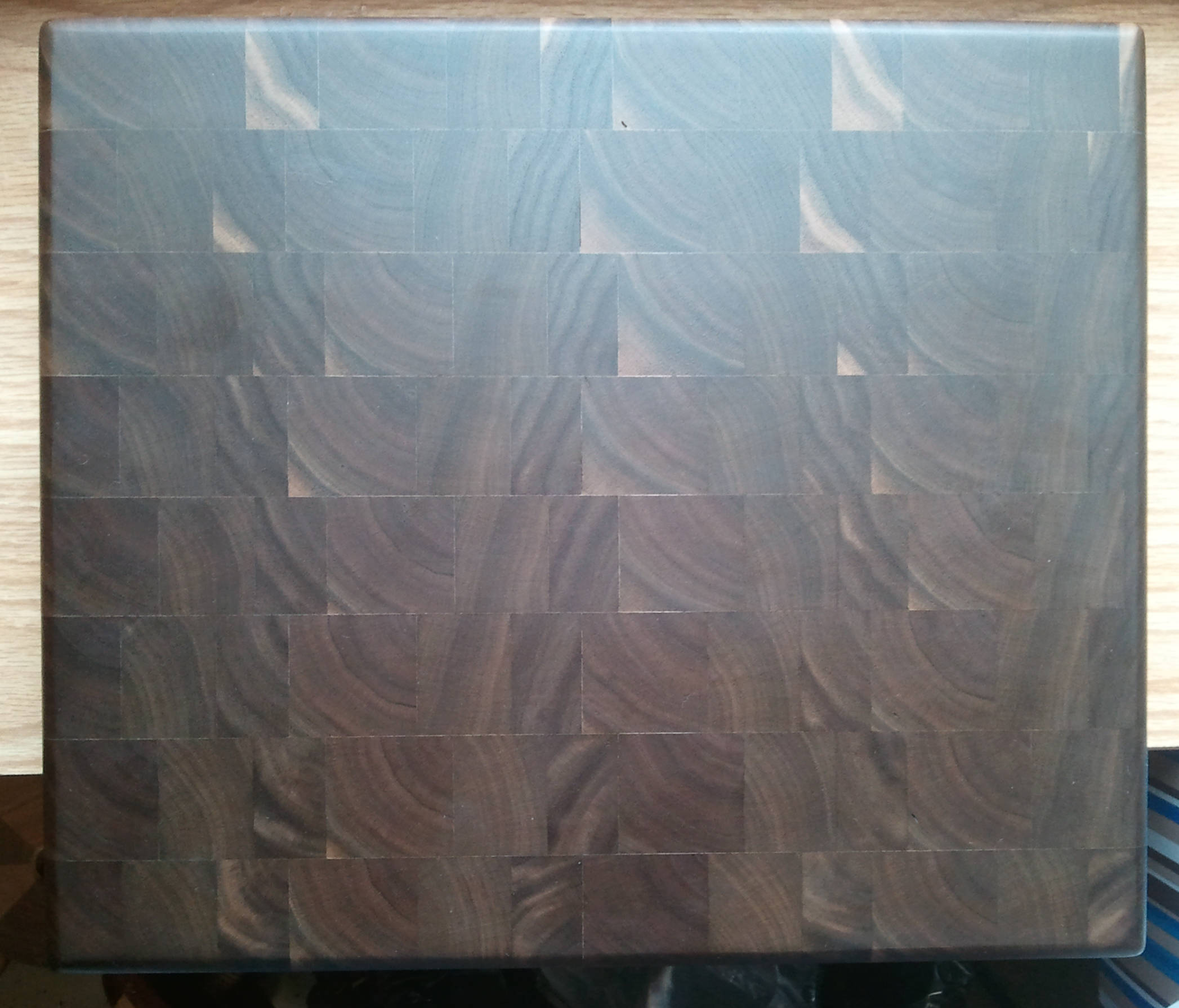
When considering the humble yet indispensable cutting board, the choice of material is of paramount importance. Not only does the wood you select affect the longevity of the board, but it also impacts your knife’s sharpness, the aesthetic of your kitchen, and even the flavor of your food. Let’s delve into the realm of wood types, revealing which varieties better suit the crafting of a cutting board, transforming your culinary experiences in the process.
1. Hardwoods vs. Softwoods: Understanding the Basics
The first consideration in your journey toward the perfect cutting board is the distinction between hardwoods and softwoods. Hardwoods, derived from deciduous trees, promise a denser and more resilient surface. Conversely, softwoods, often from coniferous trees, tend to be lighter and less durable. For cutting boards, the scale tips decidedly in favor of hardwoods, given their ability to withstand deep cuts and resist warping.
2. Popular Hardwoods for Cutting Boards
When it comes to practical selection, certain hardwoods shine more brightly:
- Maple: Renowned for its attractive grain and pale hue, maple is often considered the gold standard. Its fine texture resists deep knife scars and retains flavor integrity, making it a favorite in both professional kitchens and home cooking.
- Walnut: Darker and more luxurious, walnut showcases a rich, warm color that transforms mundane kitchen tools into statement pieces. Its relatively softer surface compared to maple brings the added benefit of being gentler on knife blades, ensuring your cutting tools remain sharp.
- Cherry: With its captivating reddish tones, cherry wood is not only aesthetically pleasing but also gains character with age. It has natural antibacterial properties, allowing culinary enthusiasts to keep their cutting environments cleaner and safer.
- Teak: While slightly more exotic, teak is celebrated for its resistance to moisture and its natural oils that fend off bacteria. Moreover, its robust nature stands up against heavy chopping while maintaining the beauty of its fine grain.
3. Characteristics to Consider When Choosing Wood
Now that the contenders have been introduced, it becomes essential to understand the characteristics that enable a wood type to excel as a cutting board.
- Durability: Opt for woods that can withstand years of rigorous use without significant wear. A cutting board should be as durable as a knight’s armor, prepared to encounter the sharpest of blades day in and day out.
- Self-Healing Properties: Some woods have innate abilities to close up minor cuts and scratches, prolonging their lifespan. This anomaly allows the board to maintain a smooth surface while resisting residue accumulation.
- Knife-Friendly Surface: Not all woods are created equal in the context of knife care. Selecting woods with a fine grain helps avoid dulling the edges, making for an ultimately pleasurable cutting experience.
- Moisture Resistance: To prevent warping or potential damage, look for woods that naturally repel moisture. This is particularly vital in humid environments, where dampness can lead to mold or mildew.
4. What to Avoid
This exploration would be incomplete without discussing lesser choices. Certain woods should be strictly avoided:
- Pine: Although widely available and affordable, softwoods like pine are prone to denting and can harbor resin, which may impart undesired flavors to your food.
- Bamboo: Although technically a grass, bamboo is often touted as a sustainable option. However, its hardness can wreak havoc on knife edges, leading many culinary aficionados to shy away from this option.
- Particleboard and Plyboard: While these synthetic materials may seem economically savvy, they often lack the durability and aesthetic appeal of solid wood, losing to their major competitors in both performance and elegance.
5. Caring for Your Wooden Cutting Board
Having chosen your ideal wood, attention must turn to maintenance. The longevity of your cutting board is closely tied to its care:
- Oiling: Regular application of food-grade mineral oil will keep the wood hydrated, preventing it from drying out and cracking.
- Cleaning: Avoid submerging your board in water. Instead, use a damp cloth to wipe it down and allow it to air dry. This helps maintain the board’s structural integrity without inviting bacterial growth.
- Disinfecting: Use a vinegar and water solution or a lemon scrub to naturally clean and sanitize the surface.
6. Beyond the Basics: Personalization and Aesthetics
As you explore your options, consider how the wood choice can complement your kitchen’s overall design aesthetic. A finely crafted walnut or cherry cutting board not only serves its intended purpose but also enhances your culinary space. Some artisans even offer personal engravings with wood-burned designs, transforming a functional item into a cherished heirloom.
Conclusion
The choice of wood for your cutting board transcends mere practicality; it’s a choice that reverberates through your culinary endeavors. Each type of wood carries unique advantages, promising durability, aesthetics, and functionality. Understanding the components that define a good cutting board allows you to cultivate a more enriching cooking environment. The next time you chop, dice, or slice, reflect on this newfound insight, and enjoy each moment spent with your impeccable cutting board.









Leave a Comment