Introduction
Earrings have transcended their utilitarian purpose, evolving into an art form that reflects personal style, cultural identity, and even social status. Among the myriad designs available, stud earrings stand out for their simplicity and versatility. However, one aspect often overlooked in the allure of stud earrings is their size—specifically, the dimensions expressed in millimeters (mm). Understanding the significance of earring stud sizes can not only enhance your jewelry collection but also provide insight into the psychological and emotional connections we forge with our adornments.
1. The Anatomy of Earring Stud Sizes
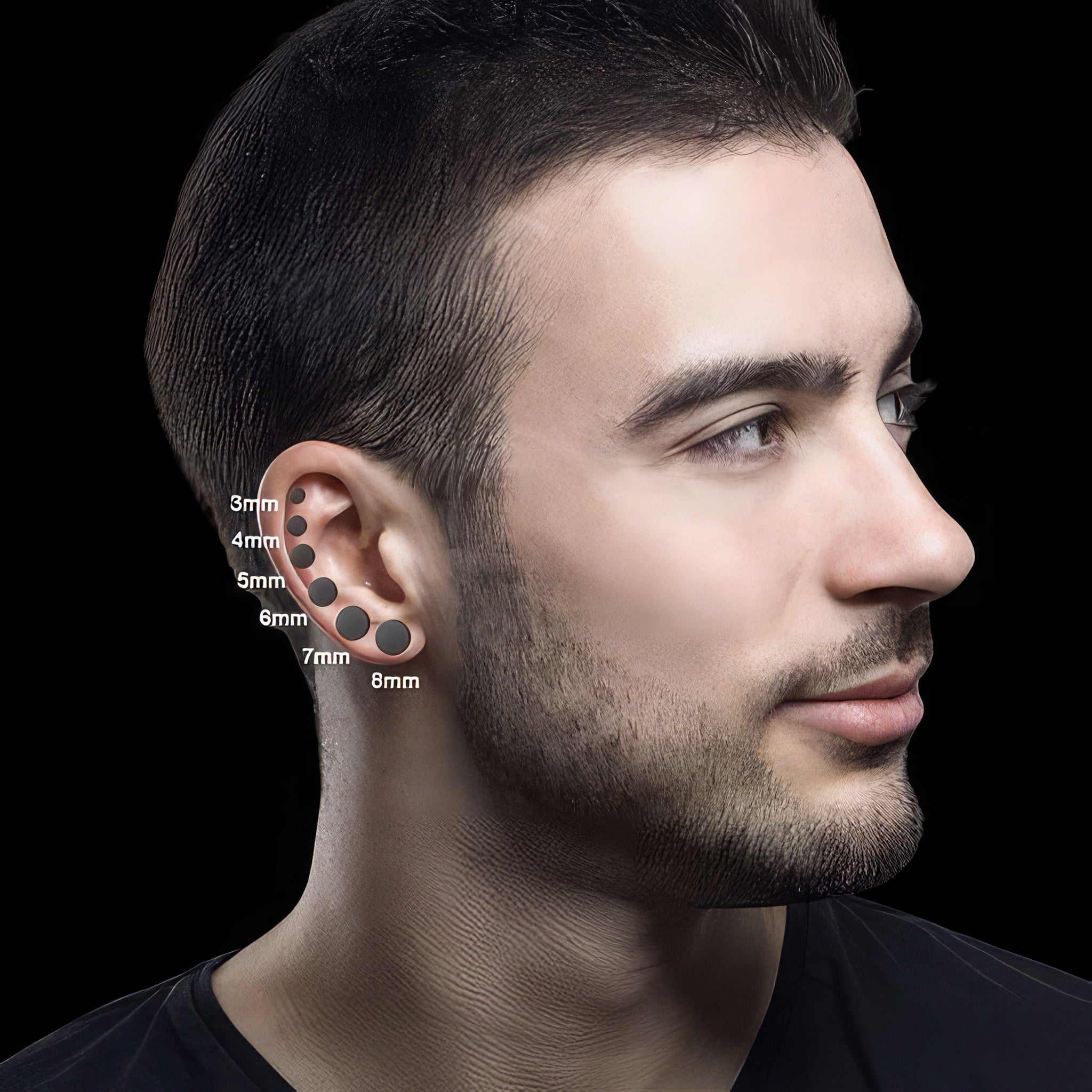
Earring stud sizes can typically range from a diminutive 2 mm to an impressive 12 mm and beyond. These sizes correspond to both the diameter of the earring head and the overall impact it imparts when worn. Smaller studs—ranging from 2 mm to 5 mm—are often preferred for subtle elegance, while those measuring 6 mm to 10 mm can evoke a more pronounced statement. The size of a stud earring not only affects its visibility but also its balance with the wearer’s features.
2. Understanding Common Sizes
- 2 mm: Often referred to as “mini studs,” these earrings are excellent for a discreet and delicate look. Ideal for second or third piercings, they offer an understated charm.
- 4 mm: This is a popular choice for everyday wear. They provide a perfect compromise between subtlety and visibility, making them suitable for casual and formal settings alike.
- 6 mm: Moving into slightly larger territory, 6 mm earrings make a bolder statement without being overwhelming. They are versatile and can complement both casual and dressy outfits.
- 8 mm: These studs are perfect for those who want their earrings to be a focal point. The added size draws more attention while still maintaining elegance.
- 10 mm and above: Earrings of this size are often associated with more extravagant designs. They can serve as statement pieces, perfect for special occasions or when one desires to showcase a particular style or gemstone.
3. The Psychological Factors at Play
The quest for the ideal stud size often transcends mere aesthetics. The psychology behind why people gravitate towards specific sizes can be fascinating. People frequently choose earring sizes that they believe enhance their natural features. For instance, larger studs may create a sense of balance for those with defined facial structures, while more delicate options might appeal to individuals desiring a softer appearance. This psychological interplay underlines the complex relationship between personal identity and external adornments.
4. Cultural Influences on Earring Size
Across various cultures, the symbolism of earring sizes can vary dramatically. In some societies, larger earrings symbolize wealth and status, while smaller studs may convey modesty and tradition. Historical contexts, such as those seen in sociocultural rituals or religious practices, often dictate preferred sizes and styles. For example, in some indigenous groups, elaborate post earrings signify milestones and social standing. Understanding these cultural dimensions adds depth to the fascination with earring sizes and their meanings.
5. Physical Considerations
In addition to aesthetic and psychological factors, one must also consider physical aspects when selecting earring sizes. Individuals with sensitive skin may find that smaller studs are less irritating, reducing the likelihood of discomfort or allergic reactions. On the other hand, larger earrings may necessitate a stronger backing to ensure they remain securely fastened. Additionally, the weight of the material can impact comfort; heavier earrings may require larger studs for balanced support without causing strain on the earlobes.
6. The Role of Gemstones and Materials
The materials used in stud earrings also play a pivotal role in their visual appeal and perceived size. A gemstone’s cut, color, and clarity can make a 6 mm earring appear much larger or more impactful depending on the design. For instance, a well-cut diamond may possess exceptional brilliance that draws attention, while a cluster of smaller gemstones can create a significant visual impact without the need for a larger stud size. Thus, the artistry of the arrangement, alongside the choice of metal—whether gold, silver, or platinum—can become a compelling factor in your decision-making process.
7. Choosing the Right Size
When navigating the world of stud earrings, personal preferences, contextual appropriateness, and body proportions are pivotal. To aid in your decision, consider your usual wardrobe and the occasions for which you typically wear earrings. Additionally, evaluating your face shape can help determine which sizes will highlight your best features. Ultimately, the right size is one that resonates with your sense of aesthetics and allows you to express your individuality effectively.
Conclusion
The allure of stud earrings extends far beyond mere fashion; it encapsulates a rich tapestry of psychological, cultural, and personal dimensions. Understanding earring stud sizes, especially in millimeters, can significantly enhance your ability to choose the perfect piece that aligns with your identity and aesthetic preferences. Whether opting for a discreet 2 mm stud or a bold 10 mm statement piece, the choice reflects a deeper fascination with self-expression and artistry—illustrating how something as simple as an earring can serve as a pivotal accessory in our daily lives.








Leave a Comment