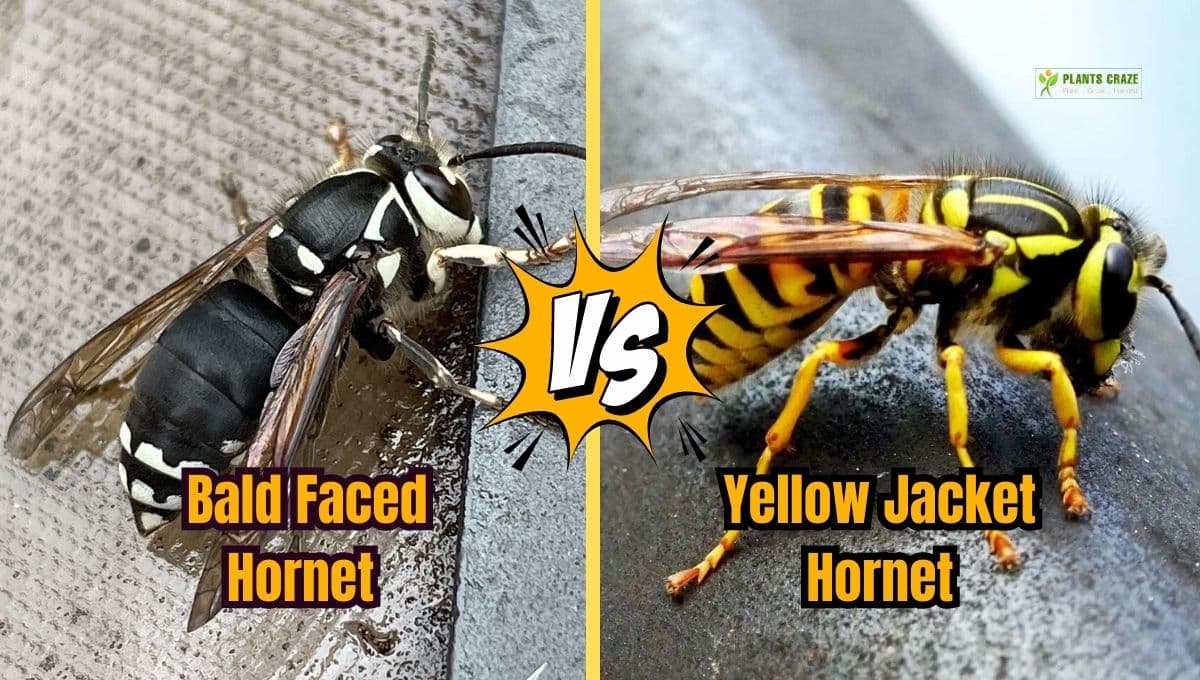
When it comes to the world of insects, particularly in the realm of stinging creatures, few battles intrigue more than that between hornets and yellow jackets. Both are members of the Hymenoptera order, yet they embody distinct behaviors, habitats, and characteristics. Understanding the nuances between these creatures can equip you with the knowledge to navigate their presence, whether you admire them from afar or need to manage their coexistence with humans.
1. Taxonomy and Identification
Hornets belong primarily to the genus Vespa, while yellow jackets are part of the Vespula and Dolichovespula genera. Hornets are noted for their robust bodies, which can vary from 0.5 to 2 inches in length, characterized by a more elongated and oval shape. In contrast, yellow jackets are often smaller, typically ranging from 0.5 to 1 inch long, with a more slender body adorned with black and yellow markings that give them their name.
2. Behavioral Patterns
Understanding the behavior of hornets versus yellow jackets is paramount to distinguishing them. Hornets are generally less aggressive than yellow jackets, preferring to defend their nests only when provoked. They exhibit a communal lifestyle, often residing in aerial nests built high in trees or on buildings. On the other hand, yellow jackets are known for their more aggressive foraging habits. They often scavenge for food, making them a common nuisance at outdoor events and picnics, as they are drawn to sugary substances and meats.
3. Nesting Habits
The construction of nests is one of the most distinct features that set hornets apart from yellow jackets. Hornet nests resemble large, gray, football-shaped structures, crafted from chewed wood fibers and saliva, creating a paper-like consistency. These nests can house hundreds of individuals and are generally found suspended from branches or under eaves. Conversely, yellow jacket nests are typically situated underground, in abandoned burrows or cavities, although some may build aerial nests resembling those of hornets. Their nests often appear more chaotic and can be less durable than those of hornets.
4. Dietary Preferences
Diet constitutes another significant area of differentiation. Hornets are omnivorous, often preying on other insects, which they bring back to their nests to feed the larvae. They are particularly fond of caterpillars and other soft-bodied insects. Yellow jackets, while also omnivorous, display a more opportunistic feeding strategy—they scavenge actively, thriving on sugary substances and proteins, including human food scraps. This scavenging habit is what makes them particularly bothersome during summer months, as they swarm around outdoor dining areas.
5. Life Cycle
The life cycles of both hornets and yellow jackets exhibit fascinating dynamics. Hornets typically establish new colonies in the spring when a fertilized queen emerges from hibernation. This queen initiates a nest, lays eggs, and raises the first generation of workers. In contrast, yellow jackets often have a more rapid colonization rate, with queens emerging earlier in spring. By late summer, both species reach peak colony size but experience a decline as the colder months approach, leading to the death of all members except fertilized queens, which hibernate until spring.
6. Stinging Defense Mechanisms
Both hornets and yellow jackets possess potent venom, used primarily in self-defense. However, there’s a noteworthy difference in their stinging behavior. Hornets can deliver a single, potent sting that can be quite painful, but they generally sting infrequently unless their territory is threatened. Yellow jackets, conversely, are known for their propensity to sting multiple times in rapid succession due to their more aggressive nature. Their venom can cause allergic reactions, making encounters with these insects potentially dangerous for sensitive individuals.
7. Ecological Importance
Despite the fear they can evoke, both hornets and yellow jackets play crucial roles in the ecosystem. Hornets act as natural pest controllers, preying on various insects that may otherwise become agricultural pests. Meanwhile, yellow jackets contribute to pollination—their scavenging habits help break down organic matter, enriching the soil and promoting plant health. Understanding their contribution to biodiversity can foster a more nuanced appreciation of these creatures.
8. Managing Encounters
To mitigate unwanted encounters with hornets and yellow jackets, it’s essential to employ cautious strategies. For yellow jackets, minimizing open food and beverage sources can significantly reduce attraction. For hornets, addressing nests early in the season, when they are smaller and more manageable, is critical. If the situation escalates or becomes overwhelming, consulting pest control professionals is advisable for safe removal.
In summary, while hornets and yellow jackets may share similarities as stinging insects, their differences in behavior, nesting habits, diet, and ecological roles highlight the complexities of these formidable creatures. An appreciation of their unique characteristics enables coexistence with the natural world, ensuring safety and understanding amidst the vibrant life that flourishes around us. By respecting the roles these insects play, one can cultivate a balanced approach to living alongside them, celebrating the intricate tapestry of life within our ecosystems.










Leave a Comment