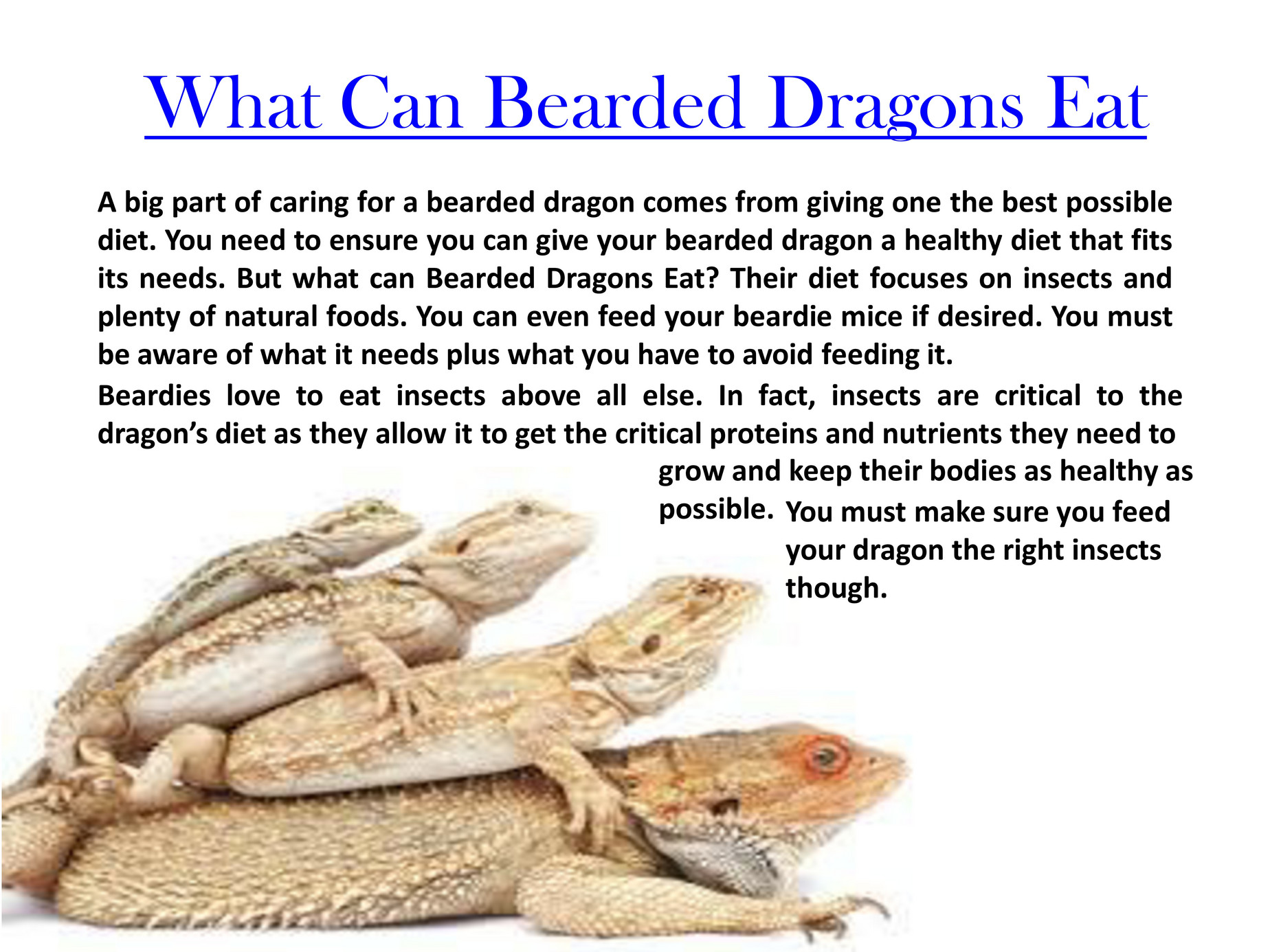
Bearded dragons, often adored for their docile nature and captivating appearances, are popular pets among reptile enthusiasts. As responsible pet owners, ensuring the well-being and nutritional balance of these captivating creatures is paramount. One of the points of curiosity often arises around their diet—specifically, the inclusion of fruits like oranges. So, can bearded dragons eat oranges? This article delves into the complexities of this question, examining the nutritional implications, potential risks, and best practices for incorporating fruits into your bearded dragon’s diet.
Understanding Bearded Dragon Diet
Bearded dragons are omnivorous reptiles, thriving on a varied diet that includes vegetables, insects, and occasionally fruits. Their dietary requirements shift as they mature, with juvenile dragons needing a higher proportion of protein compared to adults. An understanding of their dietary needs lays the groundwork for evaluating the role of fruits, particularly oranges, in their meals.
Nutritional Profile of Oranges
Oranges are well-known for their rich vitamin C content, which enhances immune function and promotes overall health in various species. They are also packed with dietary fiber, potassium, and folate. However, oranges are predominantly composed of water and sugar, with a fairly low concentration of fats and protein. While these attributes make oranges a refreshing snack for humans, their suitability for bearded dragons requires further scrutiny.
Pros of Feeding Oranges to Bearded Dragons
While oranges shouldn’t be a staple in the diet, there are pros to introducing small amounts occasionally. The benefits include:
- Vitamin C Boost: The high vitamin C level can bolster the immune response, aiding in overall health.
- Hydration: Given their moisture content, oranges can contribute to hydration, particularly beneficial in arid climates.
- Variety: Incorporating oranges offers a change of pace, making meals more enticing for your dragon.
Cons of Feeding Oranges to Bearded Dragons
Despite the aforementioned benefits, caution is warranted. Some drawbacks accompany the feeding of oranges:
- High Sugar Content: The natural sugars in oranges can be problematic. Bearded dragons can suffer from digestive disorders or obesity if sugary fruits are consumed excessively.
- Acidity: Oranges are acidic and can lead to gastrointestinal upset in some bearded dragons, particularly those with sensitive digestive systems.
- Potential for Nutritional Imbalance: Fruits should not replace essential nutrients derived from insects and vegetables, leading to deficiencies.
Preparation Methods
If you decide to offer oranges to your bearded dragon, it is crucial to prepare them appropriately. Here are best practices to consider:
- Wash Thoroughly: Ensure the orange is thoroughly washed to remove any residue or pesticides.
- Peel and Segment: Remove the peel since it’s tougher and may be difficult for your dragon to digest. Large segments should be cut into smaller pieces to facilitate eating.
- Moderation is Key: Limit the feeding to an occasional treat, no more than a few small pieces weekly.
Signs of Adverse Reactions
Whenever introducing a new food, vigilance is essential. Watch for specific signs that may indicate an adverse reaction:
- Changes in stool consistency or frequency
- Signs of lethargy or decreased activity
- Unusual behavior or reduced appetite
If any of these signs appear, discontinue feeding oranges immediately and consult a veterinarian if symptoms persist. It is always better to err on the side of caution to ensure your bearded dragon thrives.
Alternatives to Oranges
- Blueberries: These are low in sugar and high in antioxidants, making them a favorable choice.
- Strawberries: Rich in vital nutrients, strawberries can also serve as a delightful treat.
- Melons: Watermelon and cantaloupe are excellent options that provide hydration and are lower in sugar.
Conclusion
In summation, while bearded dragons can eat oranges, they should be regarded as an occasional treat rather than a dietary staple. The high sugar content and acidity necessitate moderation to prevent adverse health effects. Prioritize a balanced diet rich in essential proteins and vegetables, and use fruits judiciously to enhance your dragon’s eating experience. As with any aspect of pet care, prudent choices lead to a healthier, happier bearded dragon, enriching the bond you share with these magnificent creatures.







Leave a Comment