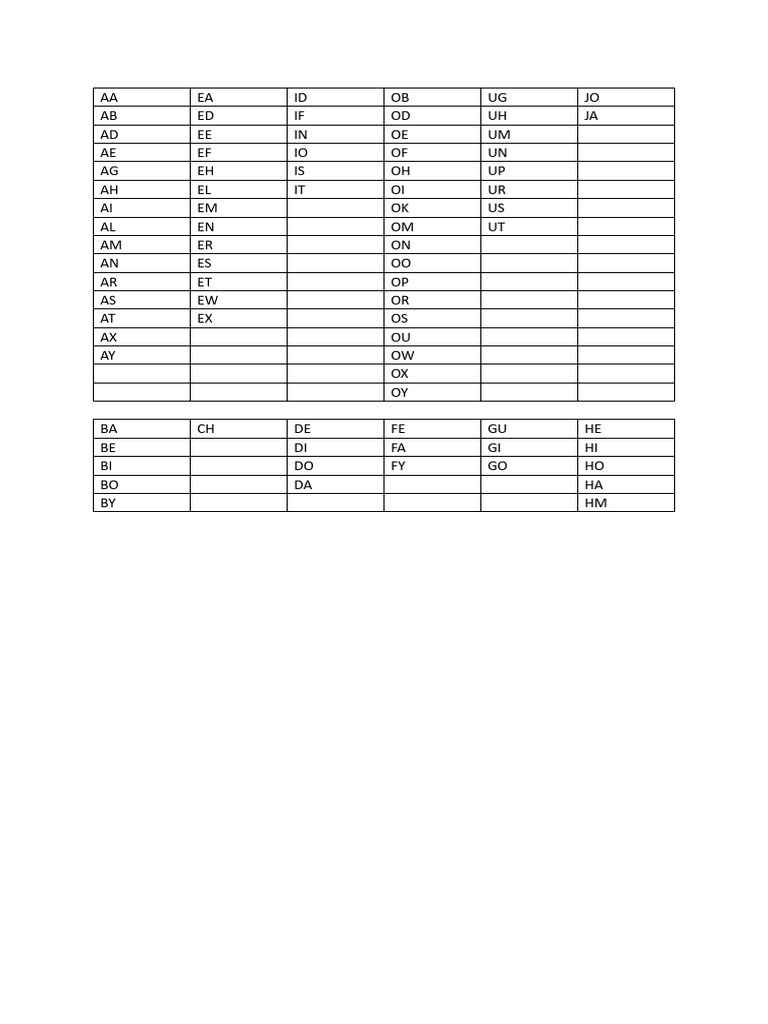
In the whimsical universe of Scrabble, every letter carries weight, and the potential for strategic gameplay looms large with each play. Players often grapple with intricate lexicon decisions, questioning the legitimacy of various words. One such word that frequently stirs debate is “ta.” Is it truly a Scrabble word? This query invites an exploration into the intricate layers of language, its etymology, and the mechanisms by which Scrabble words attain validation. Delve deeper into the myriad avenues of this subject, where lexicons flourish, interpretations diverge, and strategic nuances are unveiled.
1. Understanding the Scrabble Dictionary
At the heart of Scrabble lies its official dictionary. It acts as the arbiter of validity for words utilized in gameplay. This dictionary evolves, incorporating new terms while discarding outdated ones, reflecting the dynamic nature of language. The lexicon employed in Scrabble adheres strictly to established norms. Thus, to ascertain “ta’s” legitimacy, one must consult these reference materials, be it the Official Scrabble Players Dictionary or other recognized compendiums that delineate acceptable words.
2. The Etymology of “Ta”
Before examining its Scrabble status, one should ponder the origins of “ta.” Commonly understood as a slang expression for “thank you,” its roots can be traced back to colloquial British vernacular. It epitomizes linguistic evolution, showcasing the adaptability of modern English. The word encapsulates gratitude succinctly, a mere two-letter expression that resonates with familiarity across diverse demographics.
3. Word Length and Scrabble Strategy
In Scrabble, the brevity of words can often be a strategic advantage. Short words, those with two letters, are a linchpin for players, facilitating the formation of longer words or enabling innovative placements on the board. “Ta,” with its minimalistic structure, not only fits this criterion but can also serve as a tactical tool. Players can capitalize on existing tiles, creating opportunities to maximize the score through suffixes or prefixes. The ability to pivot efficiently with short words is pivotal to mastering the game.
4. The Scrabble Go Factor
The advent of technology has propelled Scrabble into a new era. Scrabble Go, the mobile iteration of the classic game, has introduced databases that dynamically calculate word validity. This platform allows players to utilize a plethora of informal and slang words. Here, “ta” finds a place amidst many hitherto unknown two-letter words that players can deploy to enhance gameplay. As many aficionados transition to digital formats, understanding the platform’s nuances becomes essential.
5. Scrabble Communities and Discussions
In the vibrant community of Scrabble enthusiasts, discussions often arise around word legitimacy. Forums, social media groups, and local clubs serve as platforms for debate, where experienced players share insights. Players inquire about the inclusion of words like “ta,” igniting fervent discourse and camaraderie. These exchanges enrich the Scrabble experience, forging connections through shared knowledge and competitive spirit.
6. Acceptable Words: The Bottom Line
Returning to our initial question, “ta” is indeed an accepted word in Scrabble, recognized both in official dictionaries and informal gaming settings. Players can confidently utilize this concise expression to bolster their scores, navigating the board with newfound insight. Acknowledging this validates its place within the broader lexicon of acceptable words, reinforcing the importance of continuous learning in gameplay.
7. Enhancing Your Scrabble Vocabulary
For players eager to refine their skills, a broader vocabulary is invaluable. Beyond merely identifying acceptable words, one should actively engage with the language itself. Expanding knowledge through reading, playing with others, and immersing oneself in word games can vastly improve one’s proficiency. By encouraging a habit of curiosity, players can unearth a treasure trove of potential words, strategically utilizing them to secure victory.
8. Practical Tips for Scrabble Success
Cultivating a successful Scrabble strategy extends beyond simply knowing words. Here are some practical tips to elevate your game:
- Tile Management: Keeping a balanced hand of vowels and consonants increases potential word formation.
- Board Awareness: Diligently assess the board layout, capitalizing on multipliers wherever possible.
- Practice Anagrams: Familiarize yourself with common anagrams to augment your repertoire efficiently.
- Defensive Play: Anticipate your opponent’s moves, blocking high-scoring opportunities when feasible.
9. Conclusion
As we’ve unraveled the intricacies surrounding the term “ta,” it becomes clear that this two-letter nugget holds significance beyond its simplicity. Recognized in the Scrabble dictionary, it offers strategic potential that players can wield skillfully. In the vibrant arena of Scrabble, every word counts, and understanding the nuances of language equips players with the tools for success. Armed with this knowledge, players can approach the game with renewed vigor, knowing that even the briefest expressions can weave pathways to victory.








Leave a Comment