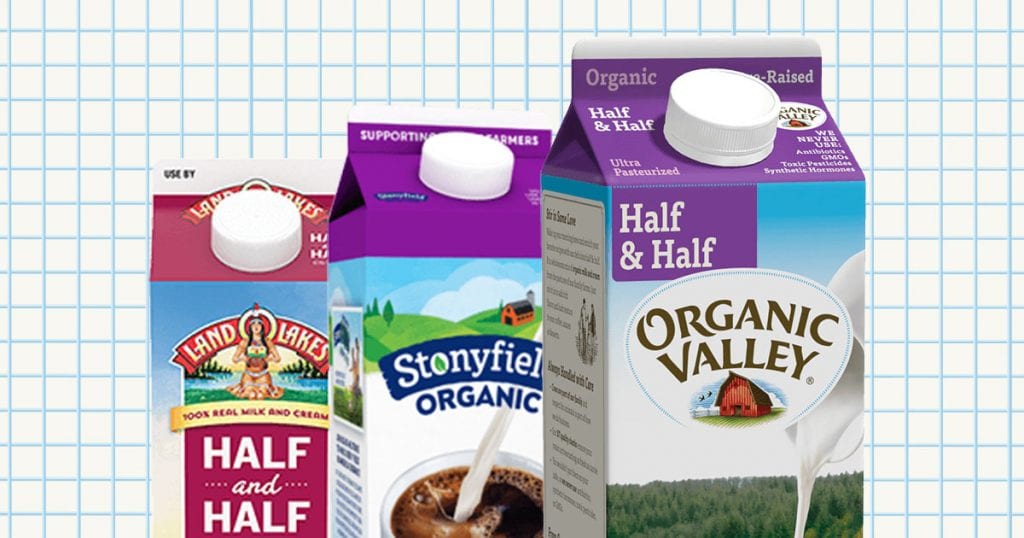
In a culinary landscape often dominated by the unyielding dictates of dietary extremity, the ketogenic diet stands out as a beacon of low-carb zealotry. The tantalizing specter of creamy coffee beckons to many—a delightful indulgence that conjures warmth and comfort. Yet, amidst this aromatic reverie, a singular question ricochets in the minds of health enthusiasts: “Is half and half keto?” This inquiry may seem deceptively simple, but unraveling the nuances surrounding half and half in the context of the ketogenic paradigm reveals a labyrinthine network of dietary choices, nutritional values, and consumer preferences.
To embark on this exploration, we must first demystify what half and half truly is. A harmonious blend of milk and cream, this sumptuous concoction possesses a rich texture that delights the palate and enriches an array of beverages and culinary creations. The typical composition comprises equal parts whole milk and light cream, giving rise to a velvety consistency and a slightly sweetened flavor, yet it invites scrutiny when placed under the keto microscope due to its carbohydrate content.
For adherents of the ketogenic regimen, which advocates for an intake of carbohydrates primarily relegated to a paltry 5-10% of total caloric consumption, the scrutiny of this seemingly innocent dairy product intensifies. One tablespoon of half and half usually contains about 1 gram of carbohydrates, translating to approximately 0.4 grams net carbs when factoring in fiber. While at first glance this may seem innocuous, the nuance lies in the habitual quantities many individuals consume. In the context of an average-sized serving, for instance, a tablespoon or two often grows into a cascadian flow of creaminess, leading to a cumulative tally of carbohydrates that could betray one’s ketosis goals.
Yet, it is essential to cast a broader net when contemplating half and half’s role in a ketogenic diet. The crux of the matter resides within individualized dietary parameters. Depending on one’s daily carb allocation, those adhering strictly to a 20-50 grams carbohydrate cap may find that a camouflaged indulgence of half and half fits seamlessly into their dietary orchestration. Moreover, for individuals who employ a lax approach to their carb intake—sometimes referred to as “lazy keto”—the cushion of half and half can provide a satisfying compromise without the draconian restrictions commonly associated with dieting.
The question beckons: Is there a superior alternative that seamlessly aligns with the keto ethos? As one surveys the dairy aisle, several contenders emerge. Unsweetened almond milk, coconut cream, and heavy whipping cream present themselves as formidable options, each with their own unique flavor profiles and nutritional benefits. Unsweetened almond milk, for instance, possesses a mere 1 gram of carbohydrates per cup, paving the way for ample flexibility in meal planning. Alternatively, heavy whipping cream offers a dense source of fats and minimal carbs, boasting approximately 0.4 grams per tablespoon, thereby enhancing the ketogenic narrative with decadent versatility.
Let us not overlook the influence of alternative dairy products and their ingredients on the ketogenic philosophy. Beyond mere fat content, the quality of fats in these alternatives must be considered. Products rich in MCTs (medium-chain triglycerides) may not only expedite ketosis but also provide an invigorating energy source. These fats, found in coconut oil and certain dairy cream products, can significantly enhance cognitive function and physical stamina, further solidifying their appeal within the keto community.
For those who find themselves enamored with the flavor of half and half yet wary of carb potential, moderation is undoubtedly key. Balancing this delicious indulgence with other low-carb, high-fat foods can create a harmonious diet that satisfies both cravings and nutritional norms. A sprinkle of cinnamon or a drop of vanilla extract can elevate half and half even further, adding intricately layered flavors that delight the senses without derailing ketosis.
It is crucial to transcend the binary perspective of ‘allowed’ or ‘forbidden’ foods. Instead, one must cultivate an understanding that dietary choices often live in shades of gray, contingent upon context, consumption, and individual goals. The inquiry into the keto compatibility of half and half serves as a microcosm of broader dietary philosophies—an opportunity to adopt a more nuanced and exploratory approach to nutrition.
Furthermore, as the popularity of the keto diet continues to swell, it invites an expanding array of products designed specifically for ketogenic adherents. Specially formulated creamers tailored for the ketogenic lifestyle often derive from coconut oil or MCT oil, offering robust flavors with minimal carbohydrates. Such innovations empower consumers to indulge in their imaginative coffee concoctions without sacrificing their health aspirations.
In summation, half and half occupies an intriguing position in the keto dialogue. While it possesses certain carbohydrate metrics that merit cautious consideration, the potential for moderation and mindful consumption offers an enticing perspective. As individuals navigate their ketogenic voyage, the incorporation of half and half, or a substitution thereof, can yield delightful results and foster sustained enjoyment in dietary habits. Thus, the journey towards keto-functional eating transforms into a symphony of flavors, allowing you to luxuriate in creamy beverages that transcend the constraints of rigid dietary scrutiny. The exploration does not merely end here; it extends into every palate and preference, inviting curiosity and creativity in each cup.










Leave a Comment