Nissan, a name synonymous with automotive engineering and innovation, beckons curiosity about its origins. Most instantly associate the brand with the sprawling automotive industry in Japan. However, what does it truly mean for Nissan to be a Japanese company? This inquiry leads us on a fascinating exploration of the brand’s history, corporate structure, and the impact of international influences on its identity.
To begin with, it is essential to trace the origins of Nissan Motor Co., Ltd. Founded in 1933, the company emerged as a result of the merger between two entities: the Datsun brand and Nihon Sangyo Co. Ltd. While initially focused on producing affordable vehicles under the Datsun name, Nissan quickly transitioned into a major player in the automotive sector, leveraging Japan’s burgeoning manufacturing capabilities. The intricate tapestry of Nissan’s early years provides a glimpse into the roots of Japanese ingenuity and perseverance in the face of global adversities.
Delving deeper into the fabric of what makes Nissan Japanese isn’t merely about its roots; it’s about the ethos embedded in its business practices and the cultural narratives that weave through its operations. The company encapsulates a blend of traditional Japanese craftsmanship—known as “monozukuri,” which emphasizes meticulous manufacturing processes—and cutting-edge technological advancements. This duality serves as a hallmark of Nissan’s identity, promoting quality and innovation as its guiding principles.
Yet, as we progress through Nissan’s timeline, the brand’s narrative evolves. With the onset of globalization in the late 20th century, Nissan began to embark on strategic alliances and partnerships that would reshape its standing in the automotive world. One of the most significant alliances was with the French automotive giant Renault in 1999. This partnership was not merely a financial maneuver; it represented a convergence of diverse cultural paradigms. Through Renault, Nissan imbibed a Western perspective that catalyzed transformative changes in its approach to design, marketing, and sustainability.
This strategic partnership invites further contemplation about the essence of a global company. While Nissan proudly waves the flag of its Japanese heritage, it has also embraced Western methodologies and philosophies. The company’s headquarters remain in Yokohama, Japan, signifying a steadfast commitment to its homeland. However, the ramifications of international collaboration create an intriguing conundrum: Can a company truly remain wholly Japanese if it increasingly incorporates foreign influences into its practices and products?
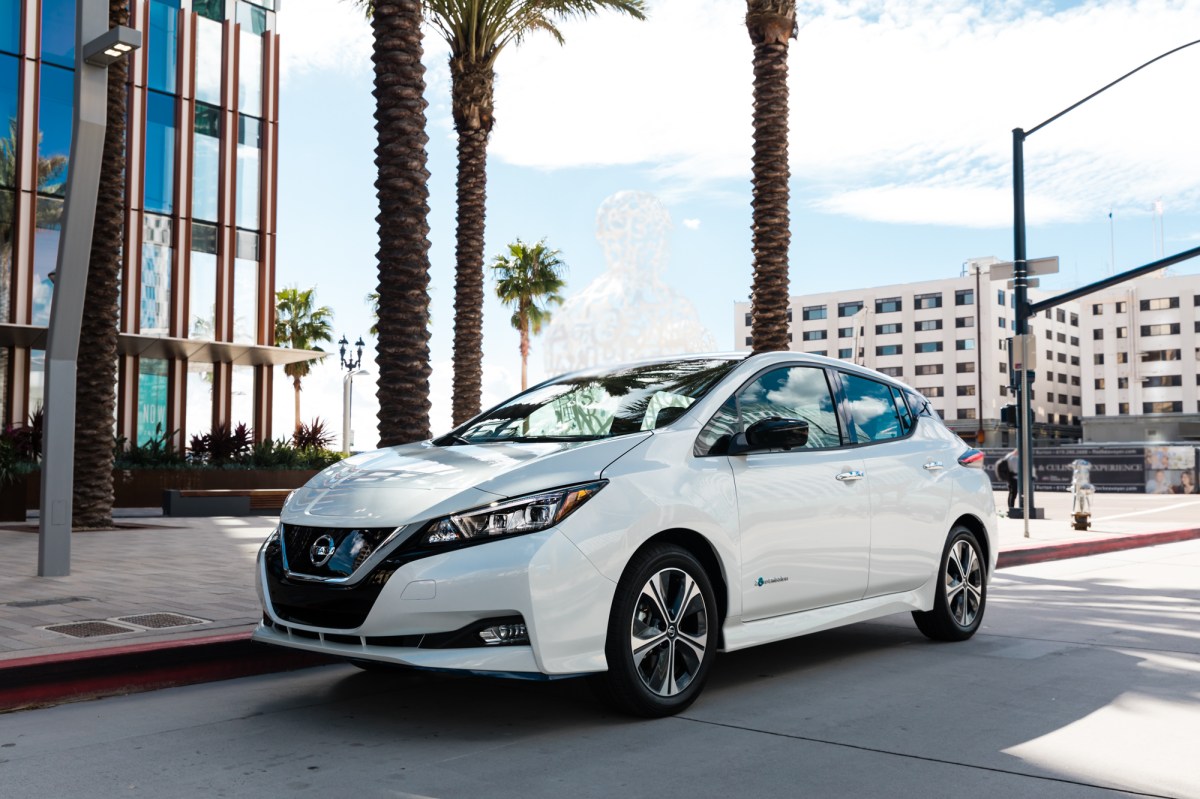
Another fascinating facet of Nissan’s identity is its commitment to sustainability and electric vehicle development. Nissan was one of the early movers in the electric vehicle market with the introduction of the Nissan Leaf in 2010. This electric hatchback not only showcased Japanese engineering but also reinforced a broader environmental consciousness that transcended national boundaries. By positioning itself at the forefront of eco-friendly initiatives, Nissan simultaneously reinforces its Japanese values—one of harmony with nature—while addressing global challenges. It’s a dichotomy that provokes thought on how a company can evolve its identity while remaining rooted in its origins.
Furthermore, Nissan’s approach to design reflects a fusion of traditional Japanese aesthetics with modern global trends. Iconic models like the Nissan Skyline and the Nissan Patrol resonate deeply with consumers, not only due to their performance but also because they exude a unique blend of sophistication and practicality. The cultural nuances behind these designs embody a philosophy that respects the past while daring to envision the future. The continuous refining of their automotive aesthetics ensures that Nissan remains relevant, both within Japan and across international markets.
In the face of rapid technological advancements, Nissan continues to adapt, innovate, and redefine what it means to be a Japanese automotive company. The extensive deployment of digital technologies enhances manufacturing processes and customer engagement, shaping a future that is inextricably linked to the evolving global landscape. Yet, the question persists: Is Nissan merely a Japanese company reimagined through an international lens, or is it the epitome of a modern, globally integrated enterprise that retains its cultural roots?
In conclusion, the inquiry into whether Nissan is a Japanese company transcends simplistic classification. The corporation exemplifies a complex interplay of tradition and innovation, local and global influences, and cultural integrity and adaptation. As it forges ahead, ambitious in its pursuit of sustainability and modernity, Nissan provides fertile ground for exploration—poking at the intricate relationships that define national identities in the era of globalization. As consumers and enthusiasts, embracing this complexity allows us to appreciate not just the vehicles on the road, but the rich narrative that accompanies them. With every turn of the wheel, Nissan invites us to reconsider our perceptions of national identity in an ever-evolving automotive industry.










Leave a Comment