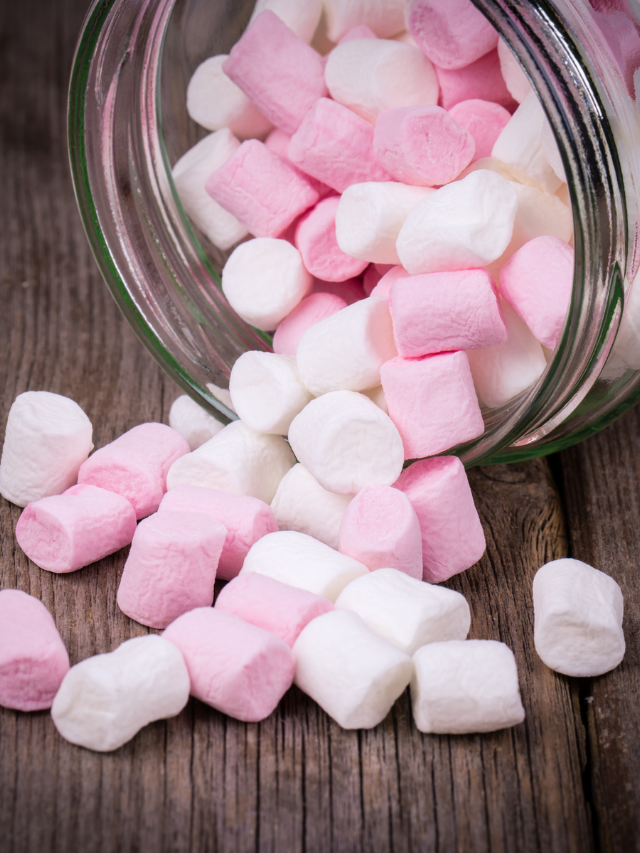
When it comes to the vibrant culinary landscape of sweet treats, few confections evoke nostalgia quite like marshmallows. These fluffy, sugary delights have made their mark as staples in s’mores, hot chocolate, and an array of desserts. Yet, amid their delightful charm, questions arise about their health implications, particularly regarding dietary restrictions. One crucial question that beckons exploration is: Do marshmallows contain gluten?
This inquiry is not just a matter of semantics; it touches on the broader topic of food allergies and intolerances that affect millions of people globally. With a significant portion of the population adhering to gluten-free lifestyles, understanding the gluten content—or lack thereof—in marshmallows is imperative. To grasp the full scope of this fascinating topic, let’s delve deeper into the world of marshmallows and the potential gluten conundrum surrounding them.
1. What Are Marshmallows Made Of?
At their core, marshmallows are crafted from a simple blend of ingredients: sugar, water, air, and a gelling agent, typically gelatin. Sugar is the principal sweetener, while water acts as a solvent, and gelatin, derived from animal collagen, gives marshmallows their characteristic texture. These components are whipped together to create a light and airy product, often resulting in the delightful puffs we relish today.
As you unpack the ingredient list, it becomes evident that traditional marshmallows do not inherently include gluten. However, the devil is in the details when it comes to ingredient sourcing and manufacturing practices.
2. Understanding Gluten
Gluten is a protein found in certain grains, including wheat, barley, and rye. For individuals with celiac disease or non-celiac gluten sensitivity, consuming gluten can lead to serious health complications. Thus, discerning which food products contain gluten is paramount for safeguarding their well-being. The absence of gluten in marshmallows may appear reassuring; however, variations do exist that warrant further investigation.
3. Are All Marshmallows Gluten-Free?
While traditional marshmallows are generally gluten-free, there exists a multitude of products on the market that may not be as clear-cut. Specialty brands or artisanal manufacturers may use flavored or colored marshmallows and introduce additional ingredients that could contain gluten. Additionally, cross-contamination in facilities processing both gluten-containing and gluten-free products is a potential risk.
Therefore, it’s crucial for consumers with gluten sensitivities to scrutinize ingredient labels meticulously. Look for marshmallows that are explicitly labeled “gluten-free,” as this will alleviate any doubts regarding their safety.
4. The Role of Gelatin
Gelatin, a pivotal ingredient in marshmallow production, raises another point of interest. While gelatin itself is gluten-free, its source is often animal-based, either from bovine or porcine sources. For some individuals, particularly those observing dietary restrictions beyond gluten—such as vegetarian or vegan diets—gelatin’s presence might present a conundrum. Fortunately, there are vegan alternatives available, utilizing ingredients like agar-agar, which echoes the traditional texture without compromising dietary choices.
5. Health Implications of Marshmallow Consumption
Understanding gluten-free status is just one part of the equation when it comes to marshmallow consumption. While gluten-free marshmallows are safe for those with gluten sensitivity, they are undeniably sugary and primarily composed of empty calories. Frequent indulgence can lead to unintended health consequences such as weight gain, dental problems, and spikes in blood sugar levels. As with all treats, moderation is essential.
Moreover, marshmallows often lack essential nutrients, leading to questions about their place in a balanced diet. Pairing marshmallows with healthier alternatives, such as fruit or nuts, could elevate their nutritional value while enhancing taste and texture.
6. Sustainability and Ethical Considerations
A burgeoning trend in the food industry is the focus on sustainability and ethical sourcing. The gelatin used in marshmallows raises questions about animal welfare and environmental impact. For the conscientious consumer, seeking brands that prioritize ethical sourcing and transparent practices can imbue the enjoyment of marshmallows with an additional layer of satisfaction.
7. DIY Marshmallows: A Gluten-Free Revelation
Creating marshmallows at home can be a rewarding experience, allowing full control over ingredients. DIY methods typically use simple components and omit any potential gluten sources, providing an avenue for experimenting with flavors—from vanilla bean to bold matcha. This approach not only guarantees a gluten-free treat but also sets the stage for culinary creativity.
Conclusion
In summation, the question of whether marshmallows contain gluten can be answered with a generally affirmative “no.” Traditional marshmallows are indeed gluten-free; however, vigilance is crucial due to potential cross-contamination or the addition of gluten-containing ingredients in specialty variations. By meticulously checking labels and considering the broader implications of marshmallow consumption—whether nutritional, ethical, or environmental—one can appreciate these delightful treats with a newfound perspective. So, next time you reach for a marshmallow, let it be not only a moment of indulgence but also an informed choice that aligns with your dietary needs and values.








Leave a Comment