When we think of accessories that hold the fabric of our style together, belts often slip under the radar. Yet, this seemingly simple strip of material plays a crucial role in defining our silhouette. Whether it’s for functionality or mere embellishment, understanding how to measure a belt accurately is essential for curating an impeccably tailored wardrobe. The art of measuring a belt transcends mere numbers; it ushers in a new perspective toward sartorial choices and challenges preconceived notions of fit. Let’s delve into the nuances of measuring a belt and discover how to harness this knowledge effectively.
1. Understanding Belt Types
Before embarking on the measurement journey, familiarize yourself with the various types of belts. From casual leather straps to formal dress belts, each type warrants a distinct approach to measurement. Casual belts often have a more forgiving fit, while dress belts should sit snugly around the waist without excessive slack. Knowing your belt type provides context, allowing you to appreciate how measurement influences comfort and style.
2. Measuring the Waist or Hip
The first step in measuring a belt is knowing which part of your body to measure. Depending on how you intend to wear your belt, you will either measure the waist or the hips. For waist measurement, use a flexible measuring tape and position it at the narrowest part of your torso—typically around the navel. Conversely, for hip measurement, glide the tape around the widest part of your hips. These metrics will serve as your benchmarks.
3. Choosing the Right Technique
To accurately measure your waist or hips, keep your measuring tape parallel to the ground; this ensures consistency. Loosely wrap the tape around the chosen area, ensuring it’s not too tight or too loose. Breathe naturally and take the measurement at the end of a normal exhalation. This technique minimizes discrepancies and provides a true representation of your dimensions.
4. Understanding Belt Sizes
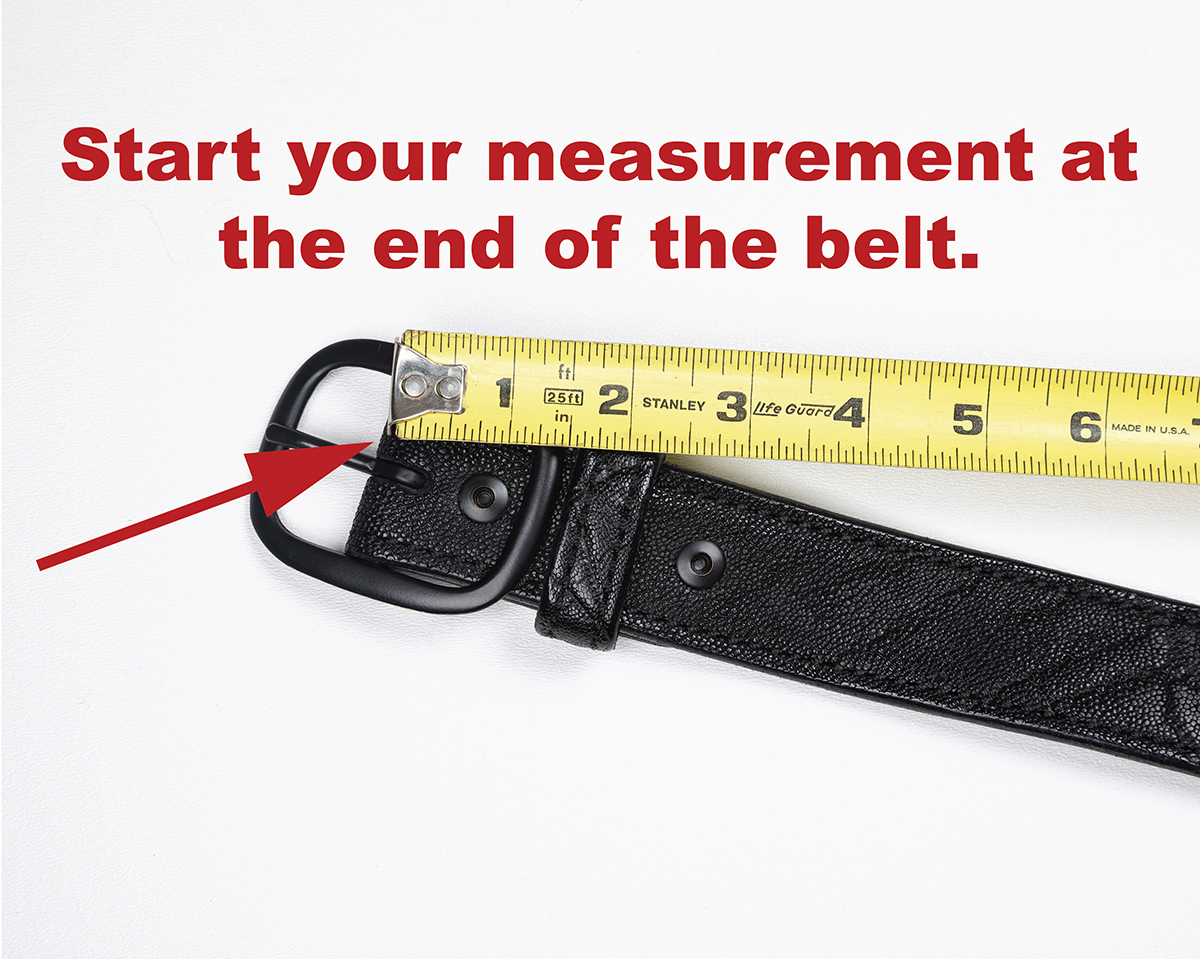
Belt sizes can be perplexing, as they do not always correlate directly with your pant size. Typically, belts are measured from the buckle prong to the middle hole. Most belts have five holes, with the middle hole (the third) serving as the standard measure. To determine your belt size, take your waist or hip measurement and convert it according to the sizing chart specific to the brand you’re purchasing from, as sizes may vary.
5. Accounting for Bulk
While measurements give a foundational understanding, they may not account for additional layers. Consider whether you will be wearing the belt over thick clothing or with a tucked-in shirt. In such cases, a belt one size larger may afford the necessary flexibility without compromising on aesthetics. This perspective shift allows for practical layering and dressing styles.
6. Assessing the Belt Material
Material can significantly influence the fit. A leather belt tends to stretch slightly over time, while fabric belts may retain their advised lengths more consistently. When selecting a belt, contemplate how the material interacts with your body measurements. A well-crafted leather belt might require a size adjustment based on its elasticity. The synthesis of material and measurement offers a deeper understanding of your wardrobe essentials.
7. Testing the Fit
Once you’ve selected a belt, it’s essential to test the fit. Fasten the belt on the middle hole and gauge its comfort level. Ideally, you should be able to slide a finger between the belt and your body without discomfort. If the belt feels too snug or loose, consider trying different sizes or adjusting your style preferences. This trial-and-error approach is not just instructive; it is instrumental in cultivating a refined sense of personal style.
8. Embracing Customization
For those who desire a belt that transcends standard sizing, customization is an alluring option. From bespoke designs to adjustable belts, the world of craftsmanship offers myriad possibilities. Consider investing in a tailor-made belt that aligns with your specific dimensions and aesthetic desires. Customization not only bolsters comfort but also evokes a unique expression of individuality.
9. The Importance of Fashion Context
Measurements may seem straightforward, yet their significance broadens when considered within the context of fashion trends and cultural appropriation. For instance, oversized belts have emerged as a fashionable statement, thus prompting a reconsideration of traditional sizing norms. Understanding contemporary styles can enhance your approach to measurement and selection, allowing you to navigate the ever-evolving landscape of fashion.
10. The Final Touch
Ultimately, successfully measuring a belt is not solely about numbers; it is about harmonizing utility and aesthetic appeal. When armed with knowledge about how to measure accurately and understand fit, one can make enlightened choices that yield sartorial success. Keep in mind that a well-measured belt transcends its primary function—it becomes an emblem of personal style and a seamless articulation of your wardrobe.
In the end, mastering the art of measuring a belt ensures that it doesn’t merely fulfill its role as an accessory but transforms into a statement piece that harmonizes with your unique style identity. So next time you reach for that belt, remember, it is more than just a practical item; it is your canvas for expressing individuality and taste.











Leave a Comment