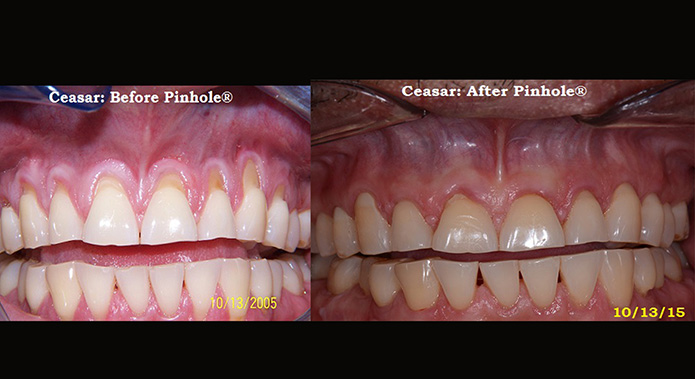
Gum recession is a dental condition that affects a significant portion of the population, yet many individuals remain unaware of its presence until it has progressed considerably. Understanding the signs of gum recession is essential for maintaining oral health and preventing more severe dental issues. This article delves into the various indicators of gum recession, empowering readers with the knowledge necessary to seek timely intervention and treatment.
What is Gum Recession?
Before exploring the signs, it’s important to comprehend what gum recession entails. Gum recession occurs when the gum tissue, which surrounds and protects the teeth, begins to wear away, exposing more of the tooth surface or even the tooth’s root. This can lead to increased sensitivity, higher susceptibility to decay, and aesthetic concerns. Several factors contribute to gum recession, including periodontal disease, aggressive brushing, and genetic predisposition.
1. Increased Tooth Sensitivity
One of the most prominent signs of gum recession is heightened sensitivity to hot, cold, or sweet stimuli. This sensitivity arises due to the exposure of tooth roots, which lack the protective enamel that covers the crowns of teeth. Individuals might experience sharp pain when consuming certain beverages or foods, indicating that the gums may be receding. If such discomfort becomes chronic, it’s imperative to consult a dental professional.
2. Noticeable Lengthening of Teeth
As gums recede, the appearance of teeth may change significantly. A common visual indication is the perceived lengthening of teeth. This illusion occurs because the gum line retreats, exposing more of the tooth’s surface. Patients may notice that their teeth seem “longer” or that there are noticeable gaps between the gums and teeth. Such changes in dental aesthetics can be a source of concern for many and may prompt individuals to seek veneers or other cosmetic solutions.
3. Gum Bleeding
Gums that bleed during brushing or flossing are often a telltale sign of periodontal issues, including gum recession. Healthy gums should not bleed; however, when gum tissue is inflamed or irritated due to receding gums, bleeding may occur. This indication should not be ignored, as it often signifies an underlying dental condition, necessitating immediate attention to prevent further complications.
4. Changes in Gum Color and Texture
The health of the gums is reflected in their color and texture. Receding gums may take on a paler or even darkened shade, deviating from the normal pink hue indicative of robust gum health. Additionally, texture changes, such as increased roughness or irregularity along the gum line, can signal that gum recession is happening. Regular self-assessment can be beneficial, as observing these shifts can prompt timely dental consultations.
5. Presence of GumPockets
As gums recede, they may form pockets between the teeth and the gum tissue. These pockets can harbor bacteria and lead to further decay or periodontal disease. Increased pocket depth can be detected during a dental examination. Patients should be aware that these pockets are not only indicators of gum recession but also potential hotspots for ongoing infection, necessitating professional intervention to avoid further deterioration of dental health.
6. Tooth Mobility
In advanced stages of gum recession, looseness in teeth can occur. This sign is often alarming, as it suggests significant loss of supporting gum and bone structure. Teeth may feel wobbly or shift position, affecting bite and alignment. Mobility can arise from both gum recession and periodontal disease; therefore, addressing it promptly with a dentist is crucial to rehabilitate oral health and preserve tooth stability.
7. Bad Breath and Foul Taste
Chronic bad breath (halitosis) and a lingering bad taste in the mouth can also suggest gum recession or accompanying periodontal disease. Bacteria accumulation in gum pockets and between the teeth can lead to unpleasant odors and tastes. Maintaining rigorous oral hygiene and seeking professional advice can help mitigate these symptoms and promote overall oral freshness.
8. Change in Bite Alignment
Receding gums can alter bite alignment over time, causing functional issues during chewing and speaking. As teeth lose their supportive gum tissue, they may shift position, leading to misalignment. Individuals may notice that their bite feels different or that they have begun to experience discomfort when closing their mouths. Regular dental assessments can help identify these changes early, ensuring they are addressed before they exacerbate into more complicated dental structural problems.
Conclusion
Recognizing the signs of gum recession is pivotal for maintaining optimal oral health and preventing the onset of serious dental complications. Increased sensitivity, visible alterations in tooth length, bleeding gums, and changes in gum color and texture are all indications that should not be overlooked. Additionally, gum pockets, tooth mobility, bad breath, and changes in bite alignment are all critical signals of an underlying issue. Early detection and proactive dental care can significantly mitigate the effects of gum recession, leading to improved oral health and greater confidence in one’s smile.







Leave a Comment