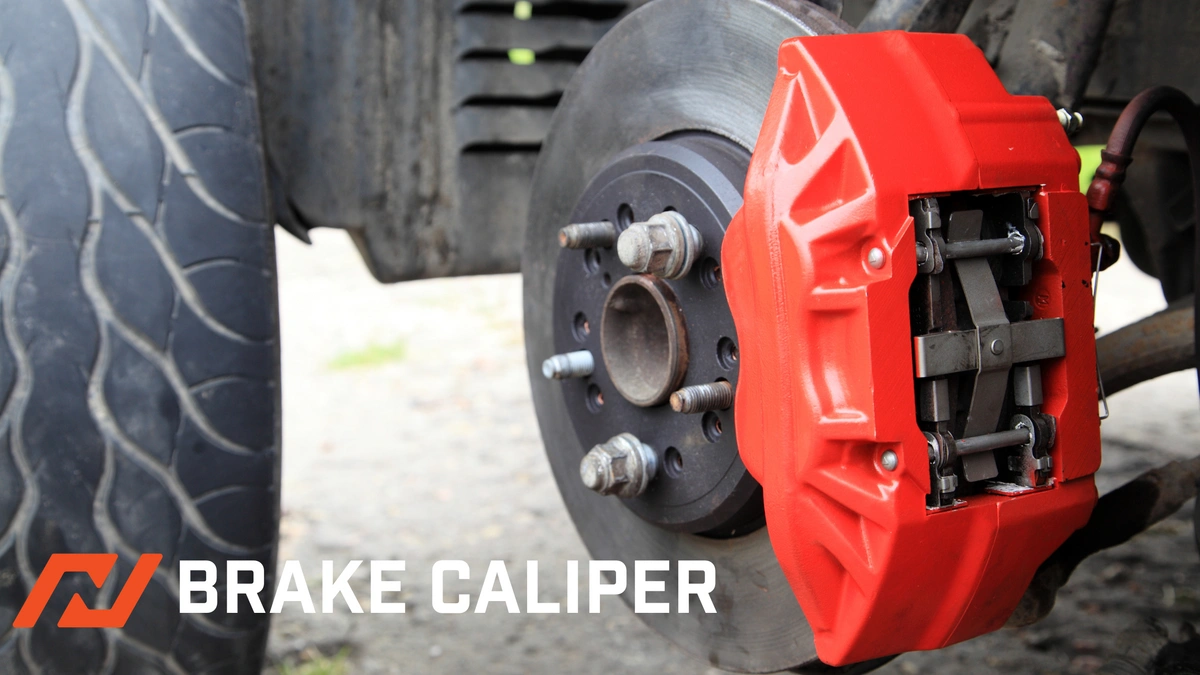
When it comes to the intricate machinery of an automobile, the brake calipers often remain overshadowed by more visually prominent components. However, these seemingly mundane parts play a pivotal role in ensuring the safety and performance of any vehicle. Understanding what constitutes good brake calipers involves delving into their construction, materials, and design nuances that contribute to their efficacy. Let us explore the fascinating world of brake calipers and unveil the qualities that dictate their superiority.
1. Understanding the Fundamentals
Brake calipers are hydraulic devices that house the brake pads and apply pressure to the rotors when the brake pedal is engaged. This mechanism is instrumental in slowing down or stopping a vehicle. A good caliper ensures optimal brake performance, longevity, and a seamless driving experience. Thus, appreciating their complexity can illuminate their importance in vehicle safety.
2. Types of Brake Calipers: A Primer
Brake calipers come primarily in two varieties: floating and fixed. Floating calipers have a single piston and can slide, providing uniform pressure across the brake pads. In contrast, fixed calipers feature multiple pistons on either side, which provide a more consistent and robust braking effect. Each type has unique attributes that cater to varying driving styles, vehicle types, and preferences.
3. Material Composition: The Heart of the Caliper
The materials used in brake caliper construction significantly impact their performance. Common materials include:
- Cast Iron: Traditional and durable, cast iron calipers have been a staple due to their strength. However, they tend to be heavier, affecting overall vehicle weight.
- Aluminum: A modern alternative, aluminum calipers are lightweight and resist corrosion effectively. They promote better thermal conductivity, which is crucial under heavy braking conditions.
- Carbon Composite: Found in high-performance vehicles, carbon composite calipers are incredibly lightweight and provide superior thermal resistance, making them perfect for racing situations.
The choice of material can affect everything from heat dissipation to weight distribution, underlining the importance of selecting the right caliper for optimal performance.
4. Design and Engineering: The Aesthetic Meets Function
While function remains paramount, the design of brake calipers also garners attention. Many performance enthusiasts appreciate calipers that boast beautiful aesthetics, often featuring anodized or powder-coated finishes. Moreover, a well-engineered caliper design can enhance airflow and cooling, essential during prolonged braking.
Ventilation holes, for instance, not only contribute to aesthetics but also facilitate heat dissipation. The ability to manage temperature is critical, as excessive heat can lead to brake fade, a detrimental condition where brakes lose effectiveness.
5. Performance Metrics: What Makes a Good Caliper?
Several metrics distinguish good brake calipers from their peers:
- Piston Size: Larger pistons can exert more force on the brake pads, translating to improved stopping power. However, this must be balanced with the weight and heat management aspects.
- Sealing System: A superior sealing system is crucial for protecting internal components from contaminants. It ensures the longevity and reliability of the caliper.
- Weight: A lighter caliper can enhance overall vehicle performance, particularly in sports applications. Weight savings can lead to improved acceleration and handling.
High-quality calipers will excel in these areas, providing drivers with confidence and peace of mind on the road.
6. Compatibility and Application: Matching Calipers to Your Vehicle
Not all calipers are suitable for every vehicle. Compatibility is a key consideration. Factors like the disc brake size, vehicle weight, and expected driving conditions should guide the selection of calipers. For instance, high-performance vehicles may benefit from fixed calipers for enhanced braking force, while everyday vehicles might find floating calipers adequate.
The needs of the driver—be it spirited driving, daily commuting, or professional racing—should inform the choice of calipers. Thus, a thorough evaluation is essential to match calipers to vehicle specifications and driving habits.
7. Maintenance and Care: Extend Caliper Lifespan
Even the best brake calipers require maintenance to ensure longevity. Regular inspections can help identify wear on seals and rust formation. Keeping brake components clean from dust and residue will prevent the buildup that hampers performance. Rotating brake pads and ensuring proper alignment are additional practices that can enhance the lifespan and performance of the calipers.
In particular, attentive care to brake fluid levels and quality is paramount. Fluid contamination can jeopardize caliper functionality, leading not just to diminished performance but potential failure.
Conclusion: The Unsung Heroes of Vehicle Safety
Brake calipers, despite their unobtrusive presence, are undeniably integral to a vehicle’s braking system. Their varying materials, innovative designs, and the dynamics of their operation underpin their value in safety and performance. Whether one seeks the additional stopping power of fixed calipers or the lightweight efficiency of floating calipers, understanding these components allows for informed choices that not only enhance vehicle performance but ensure safety on the road. As you delve deeper into the architecture of your vehicle, paying attention to its calipers reveals an elegant and essential orchestration of mechanics—one that deserves the same attention as any other part of your automotive endeavor.









Leave a Comment