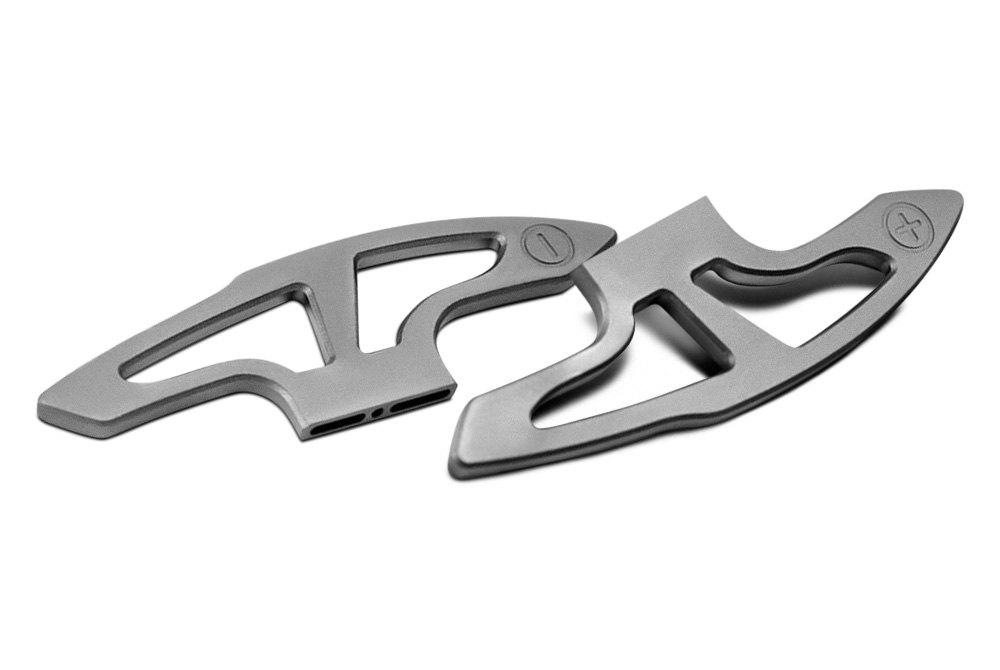
Have you ever found yourself yearning for the thrill of a race car while navigating your daily commute? Enter the captivating world of paddle shifters. These ingenious devices meld the exhilaration of manual gear selection with the convenience of an automatic transmission, granting drivers an enhanced sense of control and engagement. But what exactly are paddle shifters, and how do they revolutionize the driving experience? This exploration may just empower you to decide whether they are the right addition to your automotive journey.
1. Understanding Paddle Shifters
At their core, paddle shifters are lever-like controls typically located on the steering wheel of a vehicle. These simple yet sophisticated attachments allow the driver to manually shift gears in a semi-automatic gearbox without the hindrance of a traditional clutch pedal. Positioned conveniently behind the steering wheel, they provide a seamless interaction between the driver and the vehicle’s transmission.
2. The Mechanics of Paddle Shifting
To grasp the functionality of paddle shifters, it is essential to delve into the mechanics of how they operate. When the driver pulls the right paddle, the transmission upshifts, engaging a higher gear, while pulling the left paddle prompts a downshift, engaging a lower gear. This instantaneous communication between the paddles and the transmission creates a dynamic driving experience that appeals to enthusiasts and daily drivers alike.
3. The Advantages of Paddle Shifters
Why should you consider vehicles equipped with paddle shifters? Here are several compelling reasons:
- Enhanced Control: Paddle shifters empower drivers with the ability to choose gears during spirited driving, optimizing acceleration and deceleration in various conditions.
- Improved Performance: Manual shifting allows for more precise control over engine revs and power delivery, enabling drivers to extract the utmost from their vehicle’s capabilities.
- Convenience: Unlike a traditional manual transmission that requires a clutch, paddle shifters streamline the driving experience, allowing for quick gear changes without the need to take your hands off the wheel.
- Engagement: Many drivers find that paddle shifters contribute to a more immersive experience, making them feel more connected to the vehicle and the road.
- Better Fuel Efficiency: By enabling more controlled gear changes, drivers can often improve fuel economy through optimal engine RPM management.
4. Potential Drawbacks
- Learning Curve: For those accustomed to traditional automatic or manual transmissions, adapting to paddle shifters may require a period of adjustment. Drivers must familiarize themselves with the timing and responsiveness of gear changes.
- Less Control in Certain Situations: While paddle shifters can enhance control during aggressive driving, they may be less effective in situations requiring intricate gear navigation, such as towing heavy loads or driving on slippery terrain.
- Driver Distraction: Engaging with paddle shifters demands attention and focus, which can potentially lead to distraction from the road.
5. Paddle Shifters in Different Vehicles
Paddle shifters have become a common feature in many types of vehicles, from high-performance sports cars to family SUVs. Understanding the context in which they are offered can expand your knowledge:
- Sports Cars: In vehicles built for speed and agility, paddle shifters enhance the immersive driving experience, allowing finely-tuned shifts that align with the demands of high-speed driving.
- Luxury Vehicles: Many premium brands incorporate paddle shifting in their models, emphasizing a blend of comfort and performance that appeals to discerning drivers.
- Hybrid and Electric Vehicles: The implementation of paddle shifters in hybrid and electric vehicles underscores their versatility, adding an element of control that complements regenerative braking systems.
6. How to Use Paddle Shifters Effectively
For newcomers eager to embrace this driving technology, mastering paddle shifters can enhance your overall driving experience. Here are some tips to consider:
- Start Gradually: Familiarize yourself with your vehicle’s response by practicing in a safe environment. Pay attention to the timing and feel of shifts.
- Understand Gear Ratios: Knowing when to shift up or down can be crucial. Ideally, upshifting should occur before reaching the redline, while downshifting should be prompted when more power is needed for acceleration.
- Use Engine Braking: Downshifting can serve as a braking aid in certain situations, allowing for smoother slowing down while maintaining control.
- Embrace the Experience: Shift according to your driving mood. Enjoy the exhilarating feeling that comes with taking control of gear changes, and don’t hesitate to experiment.
As you contemplate the excitement that paddle shifters can bring to your driving experience, consider joining the myriad of enthusiasts who have embraced this technology. While the challenges may seem daunting, the rewards of control and engagement are well worth the effort. In which situations do you foresee paddle shifters enhancing your journey? Adventure awaits—it’s time to take the plunge and discover if paddle shifters are the next step in your automotive passion.








Leave a Comment