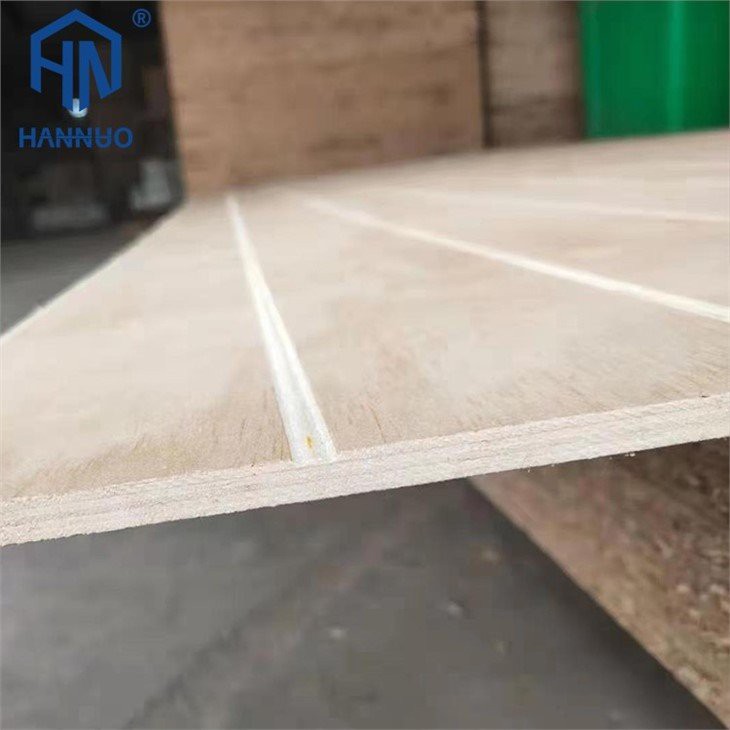
In the vast world of building materials, one option stands out for both its functionality and aesthetic appeal: tongue and groove plywood. This remarkable construction system promises to shift perspectives by marrying traditional craftsmanship with modern engineering. Whether you’re a seasoned contractor, an aspiring DIYer, or merely intrigued by the world of woodworking, this guide will unravel the intricacies of tongue and groove plywood, shedding light on its benefits and myriad applications.
Understanding Tongue and Groove Plywood
At its core, tongue and groove plywood consists of interlocking boards that fit together seamlessly. Each plank features a protrusion, or “tongue,” on one edge and a corresponding groove on the other. This ingenious design ensures that the boards lock into place, offering a level of stability that flat plywood sheets cannot match.
But what makes this type of plywood particularly captivating is its versatility. Available in various thicknesses, finishes, and wood species, tongue and groove plywood can be adapted to almost any project. From flooring and ceiling applications to cabinetry and wall paneling, its adaptability is a promise of innovation and creativity.
The Benefits of Tongue and Groove Plywood
The advantages of tongue and groove plywood extend beyond mere aesthetics. Among the most significant benefits are:
- Structural Integrity: The interlocking nature of tongue and groove panels enhances their strength, providing additional support and reducing the likelihood of warping. This robustness makes it suitable for high-traffic areas.
- Ease of Installation: The tongue and groove design allows for straightforward assembly. Even those with minimal woodworking experience can achieve a professional-looking finish with the right tools.
- Thermal Efficiency: When used in construction, tongue and groove panels can improve insulation. The snug fit creates fewer gaps, which reduces thermal bridging and enhances energy efficiency in buildings.
- Sound Dampening: The layered construction of plywood, combined with the tight-fitting joints, can help absorb sound, making it an excellent choice for spaces that require privacy or reduced noise.
- Variety and Aesthetics: The availability of various wood species and finishes allows for a level of customization that can elevate any design project. Whether seeking rustic charm or contemporary elegance, tongue and groove plywood can accommodate diverse tastes.
Applications of Tongue and Groove Plywood
The applications of tongue and groove plywood are vast, showcasing its adaptability across numerous settings:
- Flooring: As a flooring option, tongue and groove plywood provides a sturdy foundation that is highly resistant to wear and tear. It can be finished with stain or sealant to enhance durability.
- Wall Paneling: The captivating appearance of tongue and groove wall paneling can create a cozy atmosphere in any room. It adds depth and texture, offering a warm, inviting space.
- Ceilings: This plywood option makes for stunning ceiling installations, drawing the eye upward and creating an illusion of height in smaller rooms.
- Furniture: For custom furniture builders, tongue and groove plywood provides an excellent material for crafting tables, cabinets, and shelving that combines beauty with strength.
- Outdoor Structures: The resilience of tongue and groove plywood makes it ideal for outdoor applications such as decks, sheds, and pergolas, particularly when properly treated to withstand weather conditions.
Choosing the Right Tongue and Groove Plywood
When selecting tongue and groove plywood for your projects, consider the following factors:
- Thickness: Plywood thickness can affect its strength and application. Thicker options are generally more robust, ideal for heavy-duty applications. Choose a thickness that aligns with the intended use.
- Wood Species: The species of wood can influence the appearance, durability, and cost. Popular choices include pine, oak, and birch, each lending a unique character to the final product.
- Grade: Plywood is graded based on its surface quality. Higher-grade plywood will have a smoother finish and fewer defects, which may be crucial for visible projects.
- Finish: Tongue and groove plywood can come pre-finished or unfinished. Consider your project needs—while unfinished options allow for full customization, pre-finished varieties can save time and effort.
Environmental Impact
As awareness of environmental sustainability grows, tongue and groove plywood earns admiration for being a relatively eco-friendly option. Many manufacturers utilize sustainable harvesting practices, and plywood itself is often made from fast-growing tree species. By choosing responsibly-sourced materials, consumers can indulge in their craft while contributing positively to the planet.
Conclusion
Tongue and groove plywood embodies the perfect amalgamation of functionality and elegance, transforming mundane projects into masterpieces. Its myriad benefits and versatile applications prompt a rethink about what constitutes high-quality building materials. Whether you’re embarking on a small-scale DIY endeavor or a massive construction project, tongue and groove plywood is an exceptional choice that promises durability, aesthetics, and ecological consideration. Let your creativity flourish and explore the possibilities that lie within the interlocking wonders of this unique plywood solution.







Leave a Comment