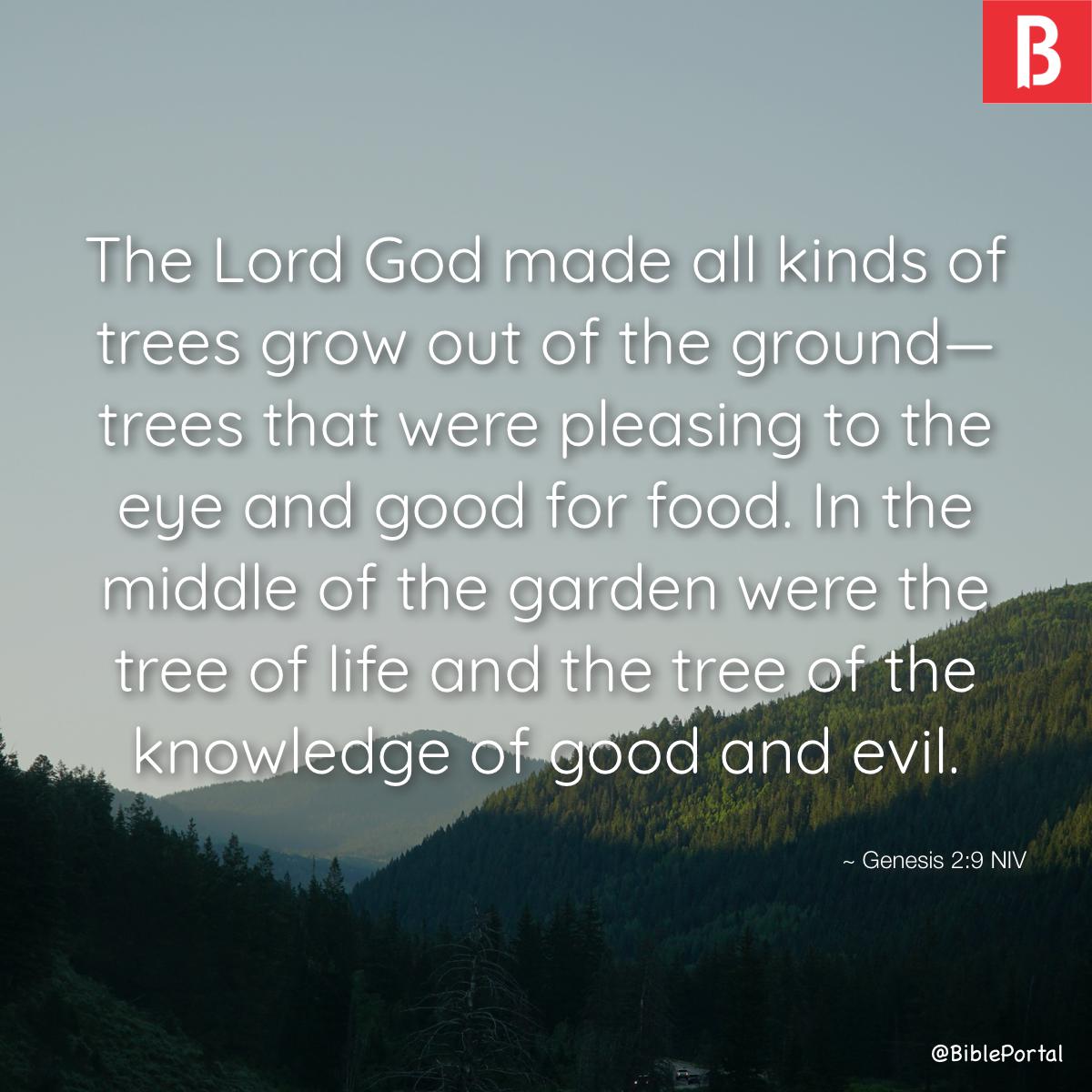
Throughout the pages of the Bible, trees are not merely a backdrop for the unfolding stories; they occupy a pivotal role that beckons contemplation. Engendering profound allegories and symbolizing multifaceted themes, trees in biblical texts resonate deeply with humanity’s basic instincts and aspirations. From the Garden of Eden to prophetic visions, they provide insight into the spiritual and moral fabric of existence. This exploration seeks to delve into the significance of trees within the Bible, emphasizing their metaphorical depths and intrinsic wisdom.
1. The Tree of Life: A Universal Symbol
At the heart of the biblical narrative lies the Tree of Life, prominently featured in the Garden of Eden. This ethereal tree serves as a profound symbol of immortality and divine sustenance. In Genesis, its fruits promise knowledge and eternal vitality, representing the divine connection between humanity and enlightenment. The very notion that mere consumption of its fruit could confer such attributes reveals a yearning for understanding and closeness to the divine. Within this portrayal, one can discern humanity’s deeper desire for transcendence and the quest for purpose.
2. The Tree of Knowledge of Good and Evil: The Duality of Choice
Adjacent to the Tree of Life stands the infamous Tree of Knowledge of Good and Evil. Its presence introduces the theme of moral duality and the complexities of free will. The act of disobedience, symbolized by Adam and Eve’s choice to partake of its forbidden fruit, marks a pivotal moment in the biblical narrative. This choice underscores humanity’s intricate relationship with morality and knowledge, an eternal struggle that resonates with modern existential dilemmas. The tree, therefore, is emblematic not just of temptation, but of the profound repercussions that accompany volition.
3. Trees as Metaphors for Humanity
The writers of the biblical texts often employed trees as metaphors for human nature and spiritual vitality. For instance, Psalm 1 likens the righteous to a flourishing tree planted by streams of water, illustrating the concept of a life rooted in spiritual nourishment. In contrast, the withered fig tree symbolizes unfruitfulness, embodying the consequences of spiritual barrenness. Such allegories invite readers to reflect on their own lives, urging a contemplation of whether they, too, are yielding fruitful pursuits or languishing in stagnation.
4. The Cedars of Lebanon: Strength and Resilience
In biblical literature, the mighty cedars of Lebanon invoke imagery of grandeur and durability. Emblematic of strength, these trees were historically employed in building significant structures, such as Solomon’s Temple. Their resilience speaks to the idea of a fortified spirit, serving both as an invocation to seek strength in adversity and as a reminder of the foundational principles upon which spiritual edifices are constructed. The cedars symbolize not just physical fortitude, but also the steadfastness of faith amidst life’s tempests.
5. Olive Trees: Peace and Abundance
Olive trees are saturated with symbolism, deeply embedded in the landscape of biblical history. Revered for their oil, which signifies abundance and prosperity, the olive tree is also a harbinger of peace. The dove returning with an olive branch to Noah illustrates the restoration of harmony following chaos. In contemporary contexts, the olive tree also symbolizes reconciliation and hope. These multifaceted meanings establish the olive as a solemn yet optimistic testament to the human condition, highlighting the essential balance between struggle and serenity.
6. The Fig Tree: The Intersection of Nature and Prophecy
The fig tree occupies an intriguing niche within the biblical narrative, often serving as a symbol of the nation of Israel itself. In Mark 11, Jesus’ cursing of the barren fig tree serves as a poignant metaphor for judgment upon those who fail to bear spiritual fruit. The fig tree’s cyclical seasons, with its promise of renewal and growth, parallel Israel’s own spiritual journey. This intersection of nature with prophetic discourse reveals the interwoven fate of the divine and earthly realms, leaving readers to ponder the consequences of their own spiritual endeavors.
7. Trees in Eschatology: The Vision of a New Creation
In eschatological visions, trees continue to play a significant role, symbolizing hope for redemption and a renewed world. The prophetic descriptions in Revelation depict a great tree bearing fruit for the healing of nations, a vision of ultimate restoration and unity. Such images evoke an abiding sense of peace and promise, inviting believers to look forward to a future of harmony, one in which humanity is nourished by divine grace. This foreshadowing serves to rekindle faith amidst contemporary tumult.
Conclusion: The Enduring Legacy of Trees
The portrayal of trees in the Bible is far more than a literary device; it encapsulates a multitude of themes that reflect humanity’s spiritual quest and moral dilemmas. Through their diverse representations, trees become conduits of wisdom, offering insights into resilience, choice, and the longing for divine connection. As the reader traverses through these narratives, a deeper appreciation for the interconnectedness of nature and the human experience emerges. Trees, with their roots entrenched in the soil of sacred texts, stand tall as enduring symbols of faith, hope, and transformation, urging us to reflect on our journey and the path we choose to forge.











Leave a Comment