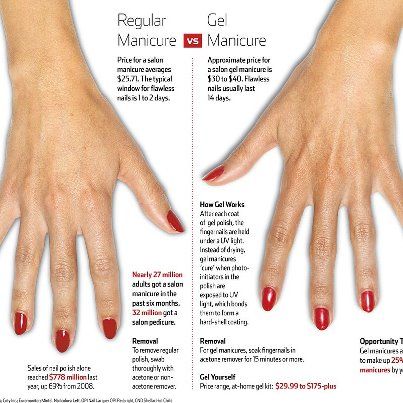
The debate between gel nail polish and regular nail polish has become a prevalent topic among beauty enthusiasts and professionals alike. Each type of polish has its unique characteristics, advantages, and disadvantages, making the choice between the two sometimes perplexing. In this guide, we will delve into the intricacies of gel nail polish and regular nail polish, exploring their application processes, longevity, removal methods, and overall user experience to equip you with the knowledge necessary to make an informed choice.
1. Introduction to Nail Polish Types
Nail polish has evolved considerably since its inception, with formulations becoming more diverse as innovations in cosmetic chemistry progress. The two primary categories of nail polish are regular and gel, each representing distinct approaches to nail aesthetics. Regular nail polish offers a variety of colors and finishes but tends to chip more easily. In contrast, gel nail polish boasts durability and a glossy finish, but its application process requires specific steps and equipment.
2. Composition and Formula
Understanding the chemical makeup of both gel and regular nail polishes is fundamental in discerning their functionality. Regular nail polish primarily consists of solvents, pigments, and resins, which create a vibrant hue upon application. Gel nail polish, conversely, contains photoinitiators that react to UV or LED light, enabling the polish to cure and become solidified. This difference in formulation leads to varied textures, with gel polishes typically having a thicker, more viscous consistency compared to the more fluid regular polish.
3. Application Process
The application technique varies significantly between gel and regular nail polish, impacting the overall user experience. Regular nail polish can easily be applied at home using a simple brush. The key steps include:
- Preparation of nails through cleaning and buffing.
- Applying a base coat to protect the nail.
- Layering the desired color, usually requiring two coats for opacity.
- Finishing with a top coat for durability and shine.
Gel nail polish, on the other hand, necessitates a meticulous approach. It requires specific products and tools, including:
- A specialized gel base coat, color gel, and top coat.
- An LED or UV lamp for curing, which solidifies each layer immediately.
- Procedures that often mean a longer application time but result in a denser finish.
This need for special equipment can be a consideration for those who prefer at-home manicures.
4. Longevity and Durability
One of the most defining aspects of gel nail polish is its remarkable longevity. When applied correctly, gel nails can last anywhere from two weeks to a month without significant chipping. The rigor of the curing process creates a strong bond that resists the wear and tear of everyday activities.
Regular nail polish typically lasts about one week before signs of wear become apparent. Chipping, fading, and peeling are common concerns, particularly for individuals who use their hands frequently or do not apply top coats consistently. While touch-ups are often easier with regular polish, the frequency of these touch-ups can be inconvenient for those seeking a low-maintenance solution.
5. Removal Methods
Removing gel nail polish is a more complex undertaking than removing regular nail polish. Regular polish can be easily dissolved with standard acetone-based removers, making the process straightforward and quick.
In contrast, gel polish requires a more deliberate removal method. To safely remove gel, the following steps are generally recommended:
- Buffing the top layer to break the seal and allow the remover to penetrate.
- Soaking cotton balls in acetone and placing them on each nail, then wrapping them in aluminum foil.
- Allowing the nails to soak for 10-15 minutes before gently pushing the gel polish off.
- Following with a moisturizing treatment to combat the drying effects of acetone.
The intricate removal process can deter some users from opting for gel polish, particularly those who value quick and easy solutions.
6. Health Considerations
When contemplating nail care, health plays a pivotal role. Regular nail polish is often perceived as more user-friendly but may contain harmful chemicals such as toluene or formaldehyde, which can be irritating. Concerns about prolonged exposure have led to the development of several “3-free” or “5-free” formulas that eliminate these harmful substances.
On the other hand, gel nail polish may also have its drawbacks. The curing process exposes nail beds to UV light, which can contribute to skin damage over time. However, advancements in LED technology have minimized this risk significantly. Protective base coats and cautious application can mitigate potential harm and promote healthier nail growth.
7. The Aesthetic Appeal
Aesthetically, gel nail polish is often praised for its high-gloss finish and vibrant color retention. The curing process provides a depth and richness that regular polish may not replicate. Regular nail polish, while available in countless shades and finishes, may lack the same durability and lustrous appearance. It does, however, offer greater flexibility for those who crave variety and experimentation in their manicures.
8. Conclusion
In conclusion, the choice between gel nail polish and regular nail polish boils down to individual preferences and lifestyle. Those seeking longevity and a high-shine finish may favor gel polishes, while individuals who prioritize easy application and a quick change in hue might opt for regular nail polish. Understanding the nuances of each type can empower users to make informed beauty decisions that align with their personal style and maintenance preferences. Ultimately, whether you opt for gel or regular polish, a well-groomed manicure can enhance your overall appearance and boost your confidence.










Leave a Comment