Among ornamental pond enthusiasts, Koi fish are revered not merely for their striking hues and elegant forms but also for their intricate dietary needs. Understanding what Koi fish eat can significantly enhance their health and vibrancy, enriching the overall aesthetics of any aquatic sanctuary. This exploration delves into the various dietary components essential for the well-being of Koi fish, reflecting on natural diets, commercial foods, and supplemental nutrition.
1. Natural Diet of Koi Fish
In the wild, Koi fish exhibit omnivorous tendencies, feasting on a diverse array of food sources available in their environment. These include small invertebrates, aquatic plants, and detritus. Observing their natural feeding behavior can provide insights into their dietary preferences in captivity. The following elements form the foundation of a Koi fish’s wild diet:
- Insects and Larvae: Koi are opportunistic feeders, often consuming insects like mosquito larvae and small crustaceans that they encounter in their habitats. These protein-rich sources contribute to healthy growth and vibrant coloration.
- Plant Matter: Koi also graze on various aquatic plants, including algae and submerged vegetation. These greens are pivotal in providing essential nutrients and aiding digestion.
- Detritus: Small organic particles found at the bottom of ponds form an important part of their diet. This incidental consumption allows Koi to derive minerals and trace elements naturally.
2. Commercial Koi Feed
While replicating their natural diet can be challenging, commercial Koi food has been specifically formulated to cater to their nutritional requirements within an enclosed environment. These feeds come in various forms, each designed to fulfill specific aspects of Koi health:
- Pellets: The most common form, these pellets are designed to float, making them easy for Koi to access while swimming at the surface. Ranging from small to large sizes, these pellets typically contain a balanced mix of proteins, carbohydrates, fats, vitamins, and minerals.
- Sticks: Some manufacturers offer food in stick form, which is effective for fish that prefer to dive for their meals. Sticks can provide prolonged feeding opportunities, reducing waste and promoting cleanliness in the pond.
- Flakes: Though less common, flake diets are available and can be more appealing to smaller Koi fish. However, they have a higher tendency to dissolve in water, which can contribute to water quality issues if not consumed promptly.
3. Nutritional Components
Understanding the nutritional components within Koi feed is critical to ensuring optimal health. Each element plays a vital role in their growth, coloration, and overall vitality:
- Proteins: Essential for muscle growth and tissue repair, proteins should constitute a significant portion of Koi’s diet. High-quality sources include fish meal, shrimp meal, and plant-based proteins.
- Fats: Beneficial fats, particularly omega-3 fatty acids derived from fish oil, support skin health and improve coloration. Adequate fat levels also provide energy, facilitating activity and growth.
- Carbohydrates: These are crucial for energy. Ingredients like wheat or corn are often included to provide digestible carbohydrates, sustaining the Koi’s activity levels.
- Vitamins and Minerals: Vitamins A, D, E, and C, along with essential minerals such as calcium and phosphorus, bolster immune function and enhance coloration. A well-rounded diet rich in these components ensures longevity and robust health.
4. Treats and Supplements
To mimic natural foraging behaviors and prevent dietary monotony, Koi keepers often integrate treats and supplements into their Koi’s diets:
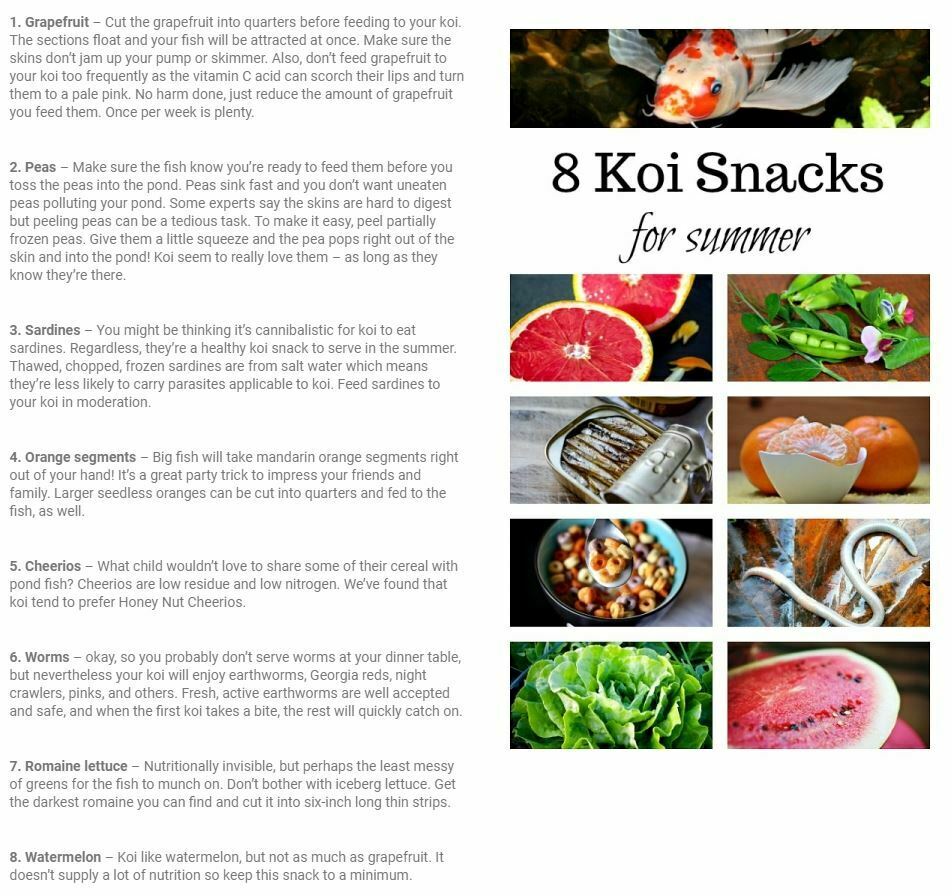
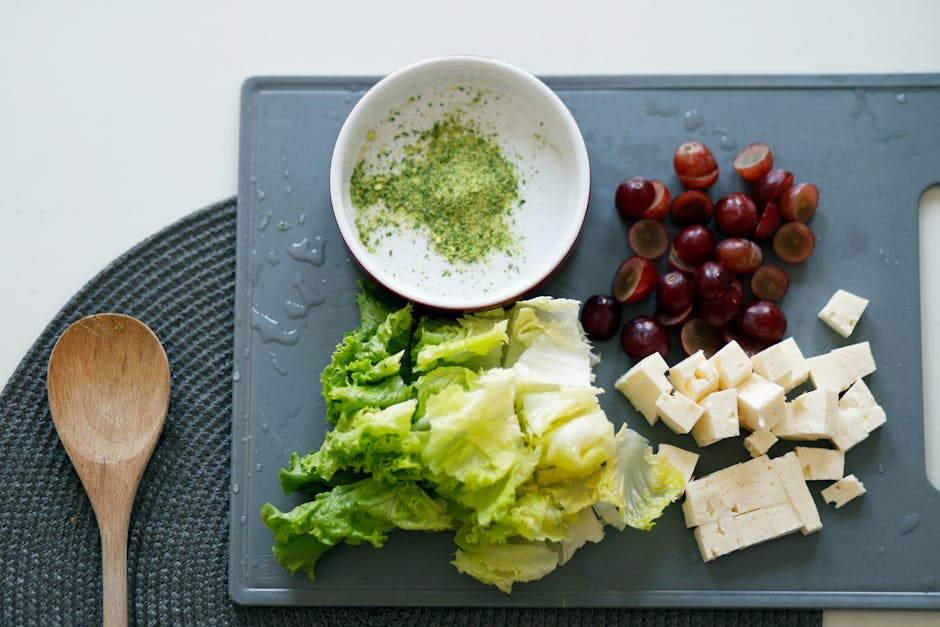
- Vegetable Treats: Offering blanched vegetables such as peas, lettuce, and zucchini can provide Koi with valuable fibers and nutrients.
- Fruit Treats: Occasionally, fruits like melons and berries can be fed as special treats, enticing Koi with their sweetness and vibrant colors.
- Spirulina or Other Protein Supplements: Spirulina, a blue-green algae rich in protein and nutrients, serves as an excellent supplement. It aids in enhancing pigmentation and promoting overall health.
5. Seasonal Feeding Considerations
It’s crucial to adjust Koi feeding routines according to seasonal changes. As the temperature shifts, Koi’s metabolism fluctuates, impacting their dietary requirements:
- Spring: As water temperatures rise, reintroduction of high-protein foods is advisable to support growth after winter dormancy.
- Summer: During warmer months, Koi’s appetite increases, and they require a balanced diet rich in nutrients to sustain heightened activity levels.
- Autumn: Feed should be adjusted to include more carbohydrates as Koi prepare for the cooler months.
- Winter: As temperatures fall, feeding should be limited, and lower-protein foods are recommended since Koi enter a state of semi-dormancy.
Conclusion
Understanding what Koi fish eat transcends mere curiosity; it is pivotal to creating a harmonious and thriving pond environment. By embracing both their natural dietary inclinations and the advancements of commercial nutrition, enthusiasts can ensure that these majestic fish not only survive but flourish. A thoughtful approach to Koi feeding, incorporating seasonal adjustments and varied diets, promotes healthy growth, vibrant colors, and an overall heightened quality of life.





Leave a Comment