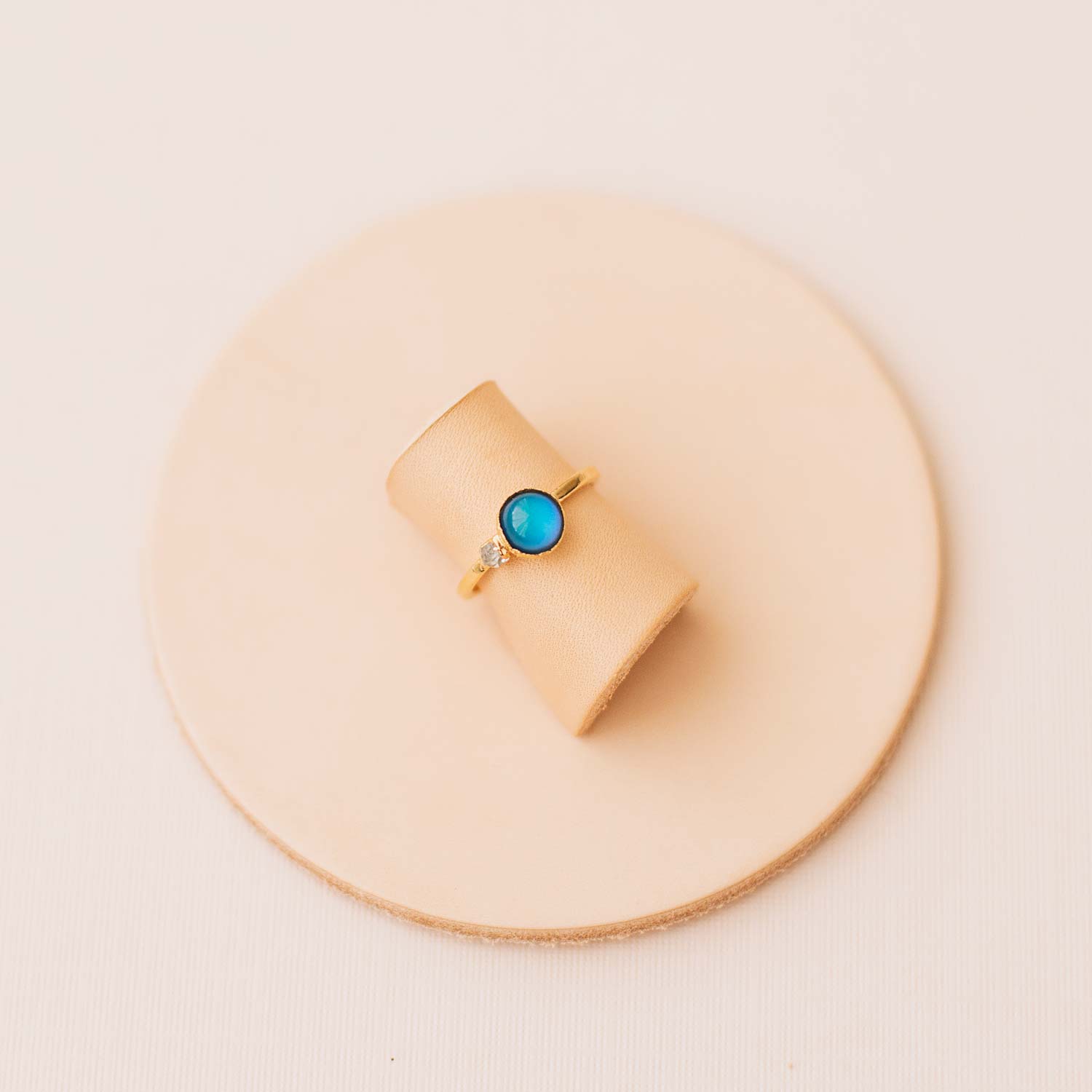
Have you ever gazed into the depths of a mood ring, captivated by its color-shifting allure? Among the vibrant spectrum of its hues, blue often emerges as a favorite, invoking curiosity. But what does the color blue really signify when it graces a mood ring? If you’ve ever pondered this intriguing question, you’re not alone. Not only does it evoke a sense of tranquility and calmness, but it also invites a playful investigation into the emotional landscapes it represents. This exploration may even challenge what you think you know about your own feelings and mental states.
In this article, we will delve into the multifaceted meanings behind the color blue on a mood ring, unearthing the complexities of emotional expression encapsulated within this enchanting shade. We will traverse through its psychological implications, cultural associations, and the science behind mood ring technologies. Let’s embark on this colorful journey!
Understanding Mood Rings
Mood rings, a phenomenon of the 1970s, ingeniously blend fashion and psychology. These unique pieces of jewelry contain thermochromic liquid crystals that react to changes in body temperature, which is believed to correlate with emotional states. As your mood oscillates, so too does the mood ring’s hue, creating a visual representation of your inner emotions. So, how does blue, specifically, fit into this chromatic equation?
The Spectrum of Blue
Blue itself is a captivating blend of serenity and depth. It lies on the cooler end of the color spectrum, suggesting tranquility and stability. But it’s more than simply a pretty hue; it has historical significance, psychological implications, and a mystical quality that piques the imagination.
Psychological Implications of Blue
When your mood ring showcases blue, it often indicates a state of calmness or contentment, gently wrapped in a blanket of serenity. Emotionally, blue is known to signify peace, security, and stability. Those who frequently experience this color may find themselves feeling level-headed and reflective. In contrast, darker shades of blue can sometimes denote sadness or melancholia, serving as a reminder that emotional experiences are complex and nuanced.
For instance, if your mood ring frequently shifts to deep blue, it may encourage you to acknowledge any underlying feelings of sadness or introspection that require attention. This duality in emotion can pose a delightful challenge: How do you differentiate between serenity and melancholy? The pursuit of understanding can lead to greater emotional intelligence and self-awareness.
Cultural Associations of Blue
The color blue boasts rich cultural symbolism across various societies. In many Western cultures, blue is linked to trust and loyalty, characteristics that cement strong relationships. In contrast, in some Eastern traditions, blue is connected with immortality and healing. Historically, various shades of blue, from cobalt to azure, have been used in art and decoration, symbolizing wisdom and divine protection.
Consider how these cultural meanings intertwine with your personal experiences. Has the color blue reflected loyalty from a close friend or family member during trying times? Recognizing these connections can frame your emotional responses in a broader context, transforming a mere color into a profound emotional narrative.
The Science Behind the Color
Delving deeper, it’s important to acknowledge the scientific principles that allow mood rings to change colors. The thermochromic materials in a mood ring react to the body’s heat, influenced by physiological factors like heart rate, stress levels, and overall emotional well-being. When your body experiences changes—be it from excitement or anxiety—the temperature shifts, and thus, the color shifts. A cool, calm state could lead to a soothing blue; conversely, heightened stress can obscure that tranquility.
This fascinating interplay of science and emotion invites you to observe not just the mood ring’s color but the underlying physical sensations accompanying those emotional states. Noticing when your mood ring changes to blue can ignite a call to reflection—what thoughts are swirling in your mind? How are your physical sensations connected to your emotional state? This challenge of awareness can ultimately foster personal growth and self-discovery.
Blue in Different Contexts
Interestingly, the manifestation of blue can vary depending on the individual and their life circumstances. For some, it might symbolize a serene day spent in nature, while for others, it may reflect the calm before a storm of emotional upheaval. Blue emerges as a color that welcomes introspection and recognition of our personal journey. When blue graces your mood ring, consider embracing the opportunity for deeper self-reflection rather than simply interpreting it superficially.
Conclusion
The color blue on a mood ring is a portal into the intricate web of emotions that each individual experiences. It offers a delicate balance between serenity and introspection, inviting you to explore your own emotional landscape. As you navigate your feelings, whether they align with tranquility or the vagaries of melancholia, remember that each color serves a deeper purpose. Every hue provides insight and, at its core, an opportunity for personal growth and understanding. So, the next time you glance at your mood ring, consider the myriad layers of meaning encapsulated within that serene shade of blue. What story might it tell you about your own life? The challenge lies not just in identifying the color but in engaging with the emotions it reflects, ultimately enriching your emotional intelligence and sense of self.








Leave a Comment