Between the years 70 AD and 1070 AD, a tapestry of transformative events unfolded across continents, shaping the societies, cultures, and religions we know today. This millennium witnessed the rise and fall of empires, the melding of diverse cultures, significant theological developments, and remarkable advancements in knowledge and technology. Through distinct eras characterized by a plethora of achievements and calamities, this period serves as an intriguing chapter in human history. Herein, we delineate the noteworthy occurrences and shifts that transpired throughout these ten centuries.
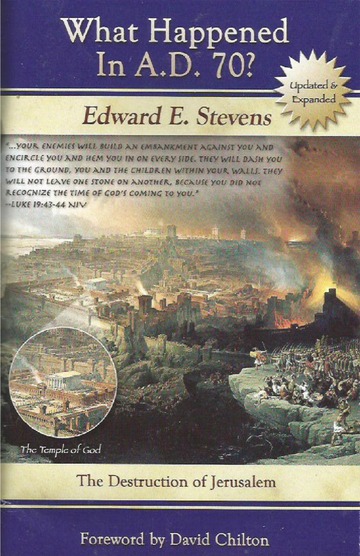
1. The Fall of Jerusalem (70 AD)
The year 70 AD marks a pivotal moment in Jewish and Roman history, as the Roman Empire crushed the Jewish Revolt, culminating in the siege of Jerusalem. The razing of the Second Temple not only signified the physical destruction of the Jewish religious epicenter but also heralded the onset of diaspora, profoundly impacting Jewish identity and culture. The cascading effect of this event reverberated through subsequent centuries, influencing not only local populations but also precipitating significant theological debates and developments within Judaism and early Christianity.
2. The Spread of Christianity (1st – 3rd Century)
In the wake of Jesus Christ’s crucifixion, Christianity burgeoned across the Roman Empire, capitalizing on the extensive network of roads and trade routes that facilitated cultural exchange. Apostles and early missionaries, notable among them Paul of Tarsus, propagated Christian doctrine, establishing communities in key urban centers. Their writings, however, often encountered opposition, leading to periods of persecution within the empire. The Edict of Milan in 313 AD, which granted religious tolerance, would later transform Christianity into a dominant faith, deeply impacting European history.
3. The Transformation of the Roman Empire (3rd – 5th Century)
The series of crises that beset the Roman Empire in the 3rd century led to a transformation unlike any other. Economic turmoil, military overreach, and internal strife gave birth to a new order, emblematic in the establishment of the Tetrarchy by Emperor Diocletian. This division aimed to create better governance but showcased an empire spiraling toward decline. The fall of Rome in 476 AD punctuated the collapse of Western Roman civilization, marking a watershed moment that signaled the onset of the Middle Ages.
4. The Rise of Medieval Culture (5th – 10th Century)
In the wake of Rome’s fall, the continent saw the emergence of feudalism, restructuring societal and political hierarchies. Amidst this backdrop, the consolidation of power by regional lords and the growing influence of the Church coalesced to form a unique socio-political fabric. The Carolingian Renaissance, ignited by the reign of Charlemagne in the late 8th century, symbolized an intellectual revival, fostering scholarship and artistry. Monasteries became the bastions of education and learning, preserving ancient texts and nurturing newfound innovations in various fields.
5. The Iconoclast Controversy (8th – 9th Century)
As Christendom solidified, the debate over icons became a contentious issue during the Byzantine period. The Iconoclast Controversy emerged as factions within the Church clashed over the use of religious images, culminating in imperial edicts favoring both iconoclasm and icon veneration at various times. This schism necessitated not only theological discourse but also had a profound impact on Byzantine art and culture, with echoes felt in Christendom’s broader aesthetic frameworks for centuries to come.
6. The Viking Age (8th – 11th Century)
From the late 8th century, the Viking Age commenced, characterized by seafaring Norse adventurers who embarked on expeditions across Europe. Their ventures—encompassing trade, exploration, and conquest—sowed the seeds for a complex intermingling of cultures. Settlements established in places such as Normandy and the British Isles facilitated cultural diffusion and contributed to the socio-political evolution of medieval Europe. The legacy of the Vikings persists in modern vernacular, folklore, and cultural traditions.
7. The Formation of National Identities (10th – 11th Century)
The latter part of the first millennium witnessed the gradual emergence of coherent national identities in Europe. As various tribes and feudal systems coalesced into more centralized states—such as England and France—distinct languages and cultures began to solidify. The Investiture Controversy underscored struggles between church and state, revealing the intricate and often contentious interdependence of secular and ecclesiastical powers during this transformative period.
8. The Great Schism (1054 AD)
The culmination of theological disputes and political tensions within Christianity led to the Great Schism in 1054 AD, fracturing the unity of the Christian Church into Eastern Orthodoxy and Western Catholicism. This ecclesiastical rift was underpinned by profound differences in liturgy, theology, and governance, laying the groundwork for centuries of conflict and dialogue. The implications of the Schism not only reshaped religious landscapes but also influenced the socio-political fabrics of Europe and the Byzantine Empire.
Conclusion
The millennium spanning from 70 AD to 1070 AD is punctuated by a series of evolutionary milestones that significantly influenced the trajectory of Western civilization. Through military conquests, religious transformations, and cultural advancements, this era encapsulates both the ingenuity and the interwoven complexities of human history. Understanding these events and their fateful ramifications allows for a deeper appreciation of how past societies have sculpted our present world, emphasizing ongoing narratives that continue to resonate today.









Leave a Comment