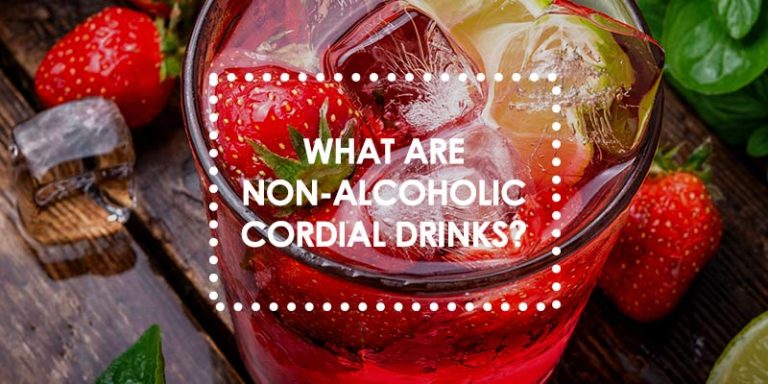
Cordial drinks have long been a staple in various cultures, celebrated for their vibrant flavors and versatility. But what exactly constitutes a cordial drink? This exploration not only demystifies the term but also delves into its rich traditions, tantalizing varieties, and myriad uses in contemporary settings. Prepare to embark on a flavorful journey that promises to shift your perspective and pique your curiosity.
The Essence of Cordial Drinks
Cordial drinks, at their core, are sweetened fruit or herbal extracts that have been traditionally used as a base for beverages. These elixirs are produced through the infusion or maceration of fruits, herbs, or spices, often combined with sugar and sometimes alcohol. In medieval times, the word “cordial” was derived from the Latin *cor* meaning heart, which indicates these concoctions were thought to invigorate or uplift one’s spirit. Fast forward to today, and the definition has evolved, embracing both non-alcoholic and alcoholic forms, which serve as refreshing refreshments or components in cocktails.
A Historical Perspective
The journey of cordial drinks is as intriguing as their flavors. The ancient Greeks and Romans cherished beverages that were richly flavored with honey and fruits, which set the stage for the evolution of cordials. The Renaissance period saw a pivot towards herbal liqueurs, which were often brewed in monasteries by monks and later became widely available to the public. These early cordials were not just enjoyed for their taste; they were also believed to possess medicinal properties, concocted as tonics to promote health and vitality.
Varieties of Cordial Drinks
Today, the landscape of cordial drinks features a plethora of options that can cater to diverse palates. From fruit cordials bursting with the essence of seasonal offerings to herbal cordials that intrigue with earthy notes, the choices are boundless. Here are some of the most notable categories:
- Fruit Cordials: These are typically made by infusing fruits like raspberries, blackcurrants, or citrus with sugar and water, creating a syrupy concentrate. Popular in the summer months, fruit cordials can be mixed with sparkling water for a refreshing beverage or used to enhance cocktails.
- Herbal Cordials: Rooted in the ancient practice of herbalism, these cordials often feature botanicals like chamomile, mint, or elderflower. The infusion of these herbs infuses the drink with complex flavors while often promising potential health benefits, transforming ordinary drinks into wellness potions.
- Spiced Cordials: Infused with ingredients such as cinnamon, star anise, or ginger, spiced cordials add warmth and depth. They are particularly popular in colder months, embodying a sense of coziness and celebration during the fall and winter seasons.
Cordial Drinks in Modern Mixology
In recent years, the rise of craft cocktails has brought cordials back into the spotlight as bartenders and enthusiasts alike experiment with these flavorsome bases. The depth that cordials can bring to a drink cannot be understated; they add nuanced sweetness, acidity, and complexity. Consider an elderflower cordial paired with gin and tonic, or a raspberry cordial elevating a simple vodka soda into a delightful concoction.
This resurgence has also led to an increased demand for artisanal and homemade cordials, encouraging enthusiasts to infuse their unique flavors, often pushing the boundaries of traditional recipes. The art of crafting homemade cordials is both an enjoyable hobby and a passionate exploration of flavors, making it appealing to those who cherish culinary adventures.
Culinary Uses Beyond Beverages
While cordials are predominantly known for their place in the drink world, their culinary applications extend far beyond. Chefs have embraced cordials in various dishes, employing them as glazes for meats, additions to dressings, or even in desserts. The sweet and tangy notes of a homemade fruit cordial can enhance a cheesecake, while herbal cordials can serve as a surprising complement to marinades.
Health Benefits and Considerations
Historically heralded for their health benefits, some cordials continue to gain recognition for their supposed medicinal properties. Herbal cordials, for example, may carry certain antioxidants and anti-inflammatory agents. However, it’s crucial to consume them mindfully. Many cordials are high in sugar, raising considerations for those monitoring their sugar intake. Exploring sugar-free or lower-sugar alternatives can allow for the enjoyment of cordials without the drawbacks.
Conclusion
Cordial drinks encapsulate a fascinating blend of history, culture, and flavor, transforming simple sips into elaborate rituals. They invite you to explore the nuances of taste that can both refresh and intrigue. Whether enjoyed on their own, creatively blended into cocktails, or utilized in culinary applications, cordials have carved a distinctive place in our beverage lexicon. As you seek to elevate your drinking experience, consider adding a splash of cordial to your repertoire, and allow its vibrant heritage to infuse your life with sweetness and complexity.









Leave a Comment