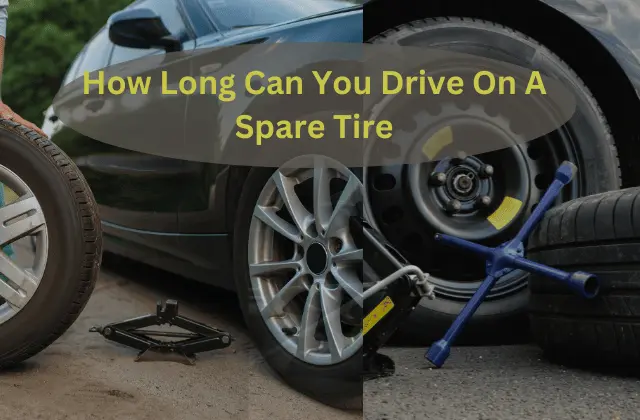
Imagine this: you are cruising down the highway, wind in your hair, music blasting, when suddenly, you hear a dreadful thumping sound. Your heart sinks as you pull over and realize it’s your tire. In a moment of sheer panic, you could be thinking, “How far can I go with this spare tire?” It’s a classic scenario that not only challenges your driving skills but also your understanding of tire safety. So, let’s delve into the world of spare tires and uncover the intricacies surrounding their use.
Understanding the Spare Tire: Types and Specifications
The first step in our journey is to identify the various types of spare tires available. Generally, they fall into three distinct categories:
- Full-Size Spare Tires: These are identical to your regular tires, offering the same longevity and performance. They can typically be used for extended periods, mimicking the feel of a regular ride.
- Temporary or Compact Spare Tires: Often referred to as “donut” tires, these are smaller and lighter. Designed for short-term use, they often have a limited lifespan of around 50 to 70 miles and must be driven at reduced speeds.
- Run-Flat Tires: These innovative tires allow drivers to continue traveling even with a puncture. Depending on the manufacturer, you could drive up to 50 miles at a reduced speed, often up to 50 mph.
Understanding these options is crucial for determining how far you can travel on a spare tire. Each design brings different limitations and capabilities, which can significantly influence your road trip plans.
Speed Limitations: The Slow Lane
Ever felt the urge to cruise at high speeds? It’s exhilarating! However, with a spare tire, it’s advised to pump the brakes on excessive speeds. Most spare tires come with a recommended speed limit, typically around 50 mph. Exceeding this can create undue stress on the tire, leading to possible failure. Imagine pushing it to 65 mph on that ‘donut’ tire—now that’s a wild ride with reckless potential!
When driving on a spare, it’s crucial to adopt a slower pace, ensuring safety not just for yourself but also for your fellow road travelers. Driving too fast increases the risk of overheating and diminishing the tire’s integrity. So, why rush when you can coast your way to safety?
Distance Dilemmas: How Many Miles Can You Truly Go?
Now, let’s address the million-dollar question: how many miles can you actually drive on a spare tire? For full-size spares, the answer may surprise you! They usually allow for distances comparable to regular tires, meaning you could easily drive hundreds of miles if needed. However, the operative word here is *use*—the remaining tread, speed, and the overall condition of the spare tire will influence its durability.
On the other hand, compact spare tires typically restrict you to a paltry 50 to 70 miles. The rationale? These tires are built for emergency situations, providing a temporary solution to get you off the road and to a service station. Think of it as a stop-gap measure designed to alleviate immediate woes rather than facilitate long-term mobility.
So, if you’re considering a scenic detour while driving on a compact spare, it’s time to reassess that plan. A more prudent approach would involve seeking immediate assistance for a reliable tire replacement.
Signs of Trouble: Recognizing Limitations
It’s vital to be attuned to your spare tire’s behavior while on the road. Listen closely for any unusual sounds such as thumping or vibration. These could be harbingers of impending doom. Additionally, pay attention to your vehicle handling—if the steering starts to feel off, it may signal that something isn’t quite right. Pull over and investigate; it’s better to err on the side of caution.
If you notice that the spare tire feels exceptionally wobbly or you’re experiencing unusual wear on the tread, it’s wise to halt your journey. Continuing to drive could lead to catastrophic failure, putting not only your safety at risk but also that of other drivers on the road.
Best Practices: How to Handle a Spare Tire with Care
So, you’ve successfully installed your spare tire and are back on the road. What next? Here are some best practices to ensure a safe journey:
- Regular Checks: Check your tire pressure regularly, as spare tires often lose air faster than regular tires. Maintaining the correct pressure is crucial for ensuring safety and longevity.
- Limit Your Travel: Stick to short trips until you can replace your spare with a suitable tire, keeping in mind the distance limitations we’ve discussed.
- Plan Ahead: If embarking on longer journeys, check ahead to ensure you have a reliable full-size spare on hand. The last thing you want is to be caught in a bind without proper assistance.
By following these best practices, you can ensure a safer driving experience even while relying on a temporary solution to your tire troubles.
Conclusion: The Road Ahead
Your adventure may have hit a pothole, but understanding the nuances of spare tires can empower you to navigate through challenges unscathed. Whether you find yourself relying on a compact spare or your trusty full-size, respecting the limitations and maintaining awareness can significantly enhance your safety. Adopt a cautious mindset, embrace the detour, and remember that ultimately, it’s about getting to your destination in one piece—preferably with a new set of tires. So, how many miles can you go on a spare? It all depends on how you choose to use it. Safe travels!








Leave a Comment