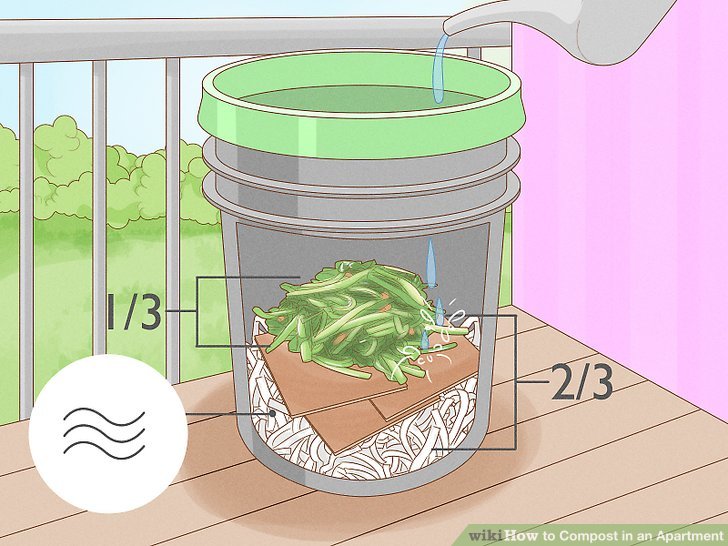
In the bustling kingdom of urban living, where concrete jungles sprout like weeds and flora sinks into the shadows of skyscrapers, the notion of a compost site might seem inconceivable to many. However, just as the mighty phoenix springs forth from its ashes, so too can a vibrant composting community blossom amidst the rigid structures of an apartment building. Establishing a compost site isn’t merely an act of sustainability; it’s fervently cultivating a sense of camaraderie and stewardship among residents, and transforming waste into nourishment for the Earth. Here’s a comprehensive guide on how to inaugurate a thriving compost site in your apartment building.
1. Gauge Interest and Build Community
Before plunging into the intricacies of composting, it’s essential to ignite the embers of enthusiasm among your neighbors. Organize an informal gathering or a meeting in a shared space, adorned with enticing flyers that beckon residents’ curiosity. Discuss the environmental benefits of composting, such as reducing landfill waste, enriching soil, and warding off harmful emissions. This initial outreach will not only create a sense of belonging but facilitate the crucial involvement of diverse participants, transforming your disparate neighbors into a cohesive unit with shared goals.
2. Understand Local Regulations
Like a ship navigating turbulent waters, you must first understand the rules of the course. Before embarking on this venture, it’s imperative to familiarize yourself with local regulations concerning composting. Cities may have specific guidelines—ranging from what can be composted to space requirements. Consulting with local waste disposal authorities can provide clarity and underscore the legitimacy of your endeavor, ensuring it aligns with community regulations.
3. Identify a Suitable Location
Even the most luxurious garden needs the right patch of earth to thrive. In an urban setting, finding an optimal location can be challenging but also invigorating. Seek out a suitable area such as a courtyard, rooftop, or unused green space, ensuring it is easily accessible yet discreet enough to accommodate any potential olfactory concerns. If space is limited, consider vertical composting options or worm bins, which require less square footage yet yield rich results.
4. Choose Your Composting Method
As different plants flourish in varied environments, composting methods may also differ based on your setting. Two primary methods stand out: traditional composting and vermicomposting. Traditional composting involves layering green (nitrogen-rich) and brown (carbon-rich) materials, creating a symphony of decomposition. This method thrives with aeration and moisture, requiring periodic turning to invite microbial magic. On the other hand, vermicomposting introduces adorable little workers in the form of red wiggler worms. These tireless creatures convert organic waste into ‘black gold’—a nutrient-rich humus that revitalizes plants. Consider your community’s interest and available resources to select the perfect method.
5. Gather Compost Materials
Once the groundwork is laid, it’s time to dive into the alchemy of transformation. Engage your apartment dwellers by creating a list of acceptable compostable materials—vegetable scraps, coffee grounds, eggshells, and yard waste are worthy contenders. To complete the picture, emphasize the importance of excluding harmful items such as meat, dairy, and oily foods, which can introduce unwanted odors and pests. Set up a designated collection station in a common area, perhaps with brightly labeled bins that invite participation while gathering a plethora of materials for your compost site.
6. Maintenance: The Heart of Composting
Much like tending to a garden, diligent maintenance is critical to ensure your compost thrives. Establish a routine for turning the compost and monitoring its moisture level—aiming for the consistency of a damp sponge. Emphasize the necessity of freshly composted greens and browns, teaching residents about proper layering. An allocated “Compost Leader” could oversee this process, acting as the linchpin in the project while ensuring every participant feels involved and educated on maintaining the compost site.
7. Incorporate Education and Engagement Activities
The compost site can become a cradle of learning. Foster a communal sense of sustainability by orchestrating workshops focused on compost education, gardening techniques, and even cooking classes utilizing composted materials. By encouraging residents to share their experiences and findings, blissful narratives of success can propagate throughout the community, nurturing an ecosystem of knowledge and enthusiasm for the environment.
8. Celebrate the Fruits of Your Labors
Once the compost begins to break down, celebrate the transformation that your community has collaboratively achieved. Organize events to distribute the compost among residents for their own plants or communal gardens. Such celebrations not only highlight the effort and commitment of all parties involved but also serve as a vital reminder of the beauty of working together for the health of the planet.
In the end, establishing a compost site in an apartment building is akin to planting a seed—a small act with the potential to grow into a lush garden of possibility. Not only does it foster a deeper connection between neighbors, it cradles the earth with care, nurturing a philosophy of sustainability in the heart of urbanity. Every layer of compost symbolizes the unity of community, reminding us that even in the face of concrete, life can find a way to flourish. So gather your comrades, hold steadfast to your vision, and turn waste into the green gold of tomorrow.











Leave a Comment