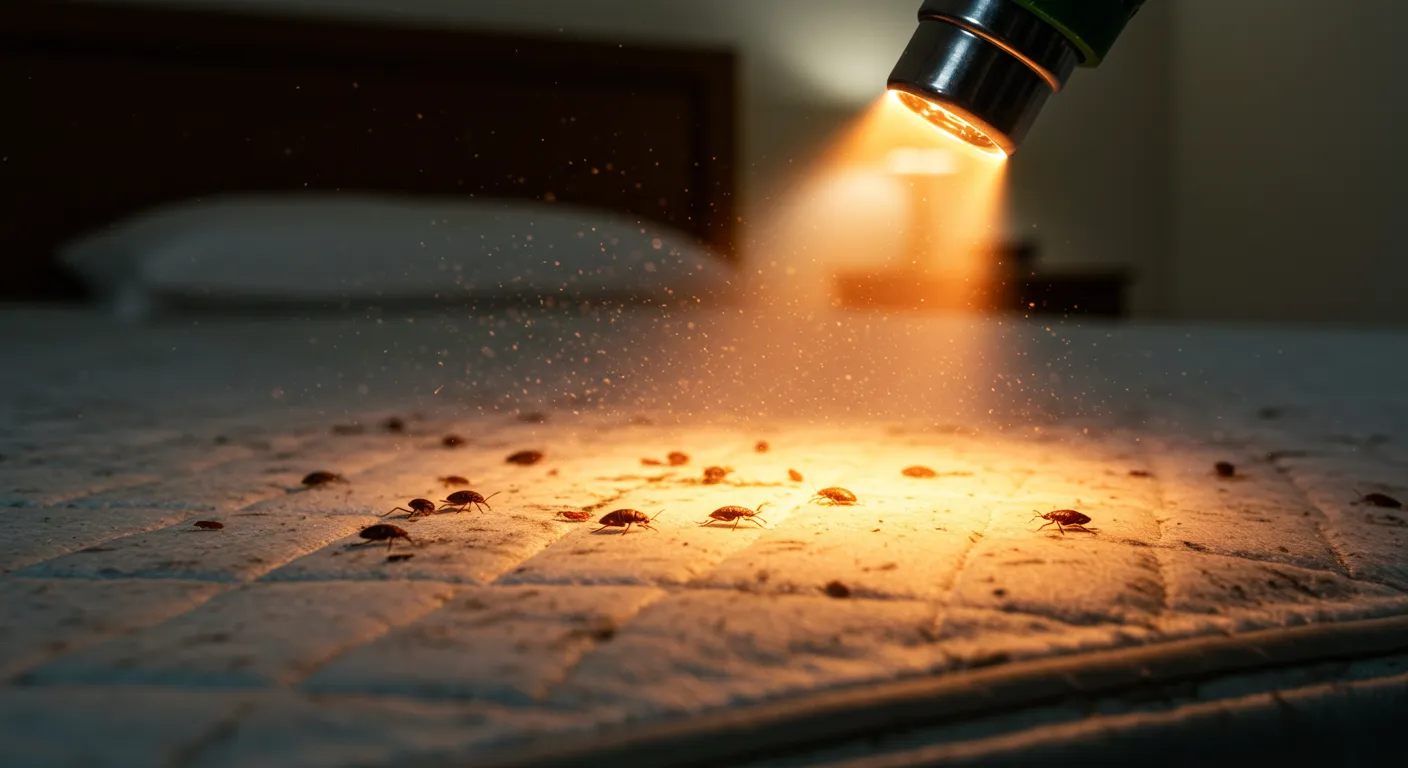
Bed bugs, those elusive nocturnal pests, have a penchant for causing havoc in the most sacred of spaces—our beds. As their populations burgeon, innovative eradication techniques emerge, with heat treatment standing at the forefront. This method challenges conventional pest control perspectives, inviting curiosity into how it operates, what it promises, and its efficacy in the battle against these unyielding invaders. Let’s delve into the world of heat treatment for bed bugs, unraveling its intricacies, advantages, and what you can expect from this increasingly popular method.
The Science Behind Heat Treatment
Heat treatment involves elevating the temperature in a given space, typically reaching lethal levels for bed bugs and their eggs. The fundamental principle is simple yet effective; bed bugs begin to succumb to heat at temperatures exceeding 118 degrees Fahrenheit. Within moments, exposure can lead to their demise, while their resilient eggs perish after about 90 minutes at sustained high temperatures.
This technique employs specialized equipment designed to uniformly distribute heat throughout a designated area. The process often encompasses comprehensive pre-treatment inspections to ascertain the infestation’s severity, ensuring a targeted and efficient approach.
Advantages of Heat Treatment
Heat treatment is garnering attention not merely for its effectiveness but also for its myriad advantages:
- Chemical-Free Solution: For those wary of chemical pesticides, heat treatment provides a safe alternative devoid of harmful residue. This aspect is particularly appealing to families with children or pets, allowing peace of mind while tackling the problem.
- All-Encompassing Impact: Heat penetrates crevices and upholstery, eliminating bed bugs hidden in their favored nooks, something that many traditional methods often overlook. From mattress seams to behind wall art, no hiding spot is too elusive.
- Rapid Results: Unlike conventional insecticides that may require repeated applications, heat treatment usually necessitates only one session lasting 6 to 8 hours. It’s a swift resolution to an otherwise protracted dilemma.
- Reduced Risk of Reinfestation: When combined with thorough cleaning and preventative measures, heat treatment can diminish the likelihood of a re-infestation, as it targets even the most resilient life stages of bed bugs.
The Process of Heat Treatment
The sheer efficacy of heat treatment lies not just in the high temperatures but in the thoroughness of the procedure. Here’s a breakdown of what one might expect:
- Initial Inspection: A certified pest control professional conducts a meticulous examination to identify the extent of the infestation and strategize the best approach.
- Preparatory Measures: Before introducing heat, homeowners are often advised to remove heat-sensitive items like electronics and plants to prevent damage. Additionally, laundering bedding and clothing can enhance the effectiveness of the treatment.
- Heat Application: High-powered heaters are strategically placed, often combined with fans to facilitate air circulation. The aim is to achieve a uniform temperature throughout the entire area, mounting an offensive on every lurking bug.
- Monitoring Conditions: Thermographic cameras may be employed to ensure that every corner reaches the necessary temperature, validating the treatment’s thoroughness.
- Post-Treatment Assessment: After the heat subsides, a follow-up inspection can help gauge the procedure’s success and offer guidance on further preventative strategies.
Potential Drawbacks
While heat treatment boasts various merits, it is not devoid of pitfalls. The most prominent drawbacks to consider include:
- Cost Implications: The initial investment for heat treatment can be greater than traditional chemical methods, which may deter some homeowners. However, when considering its efficacy, one might view it as a worthwhile investment.
- Property Compatibility: Certain structures may not withstand the high temperatures required for effective treatment. Specific materials, such as delicate textiles or antiquities, may suffer irreversible damage.
- Displacement Requirements: Homeowners must vacate their living spaces during the treatment process, necessitating alternative accommodations, which can be logistically challenging.
Myths and Misconceptions
With the ascendancy of heat treatment comes a plethora of myths that can cloud public perception:
- Overkill Myth: Some believe that any high temperature will suffice. However, achieving the right balance and maintaining it is crucial for successful eradication.
- Instantaneous Results Myth: While heat treatment is indeed swift, the initial session might not ensure complete extermination. In some cases, follow-up inspections and additional treatments might be necessary.
- Allergen Retention Myth: Another common myth suggests that heat treatment does not address allergens left behind by bed bugs. However, the combination of heat and thorough cleaning effectively mitigates residual allergens.
Conclusion: A New Dawn for Bed Bug Eradication
Heat treatment represents a paradigm shift in our approach to battling bed bugs. Its chemical-free, thorough nature, coupled with rapid effectiveness, positions it as a formidable contender against these pernicious pests. While it is essential to remain mindful of potential drawbacks and address misconceptions, understanding the true mechanics behind heat treatment can catalyze a necessary shift in perspective. Embarking on a journey to rid your home of bed bugs need not be an insurmountable challenge; instead, it can transform into a triumphant restoration of comfort and peace of mind. As you navigate the intricate world of pest control methods, consider the warmth of heat treatment as a reliable ally in reclaiming your sanctuary.








Leave a Comment