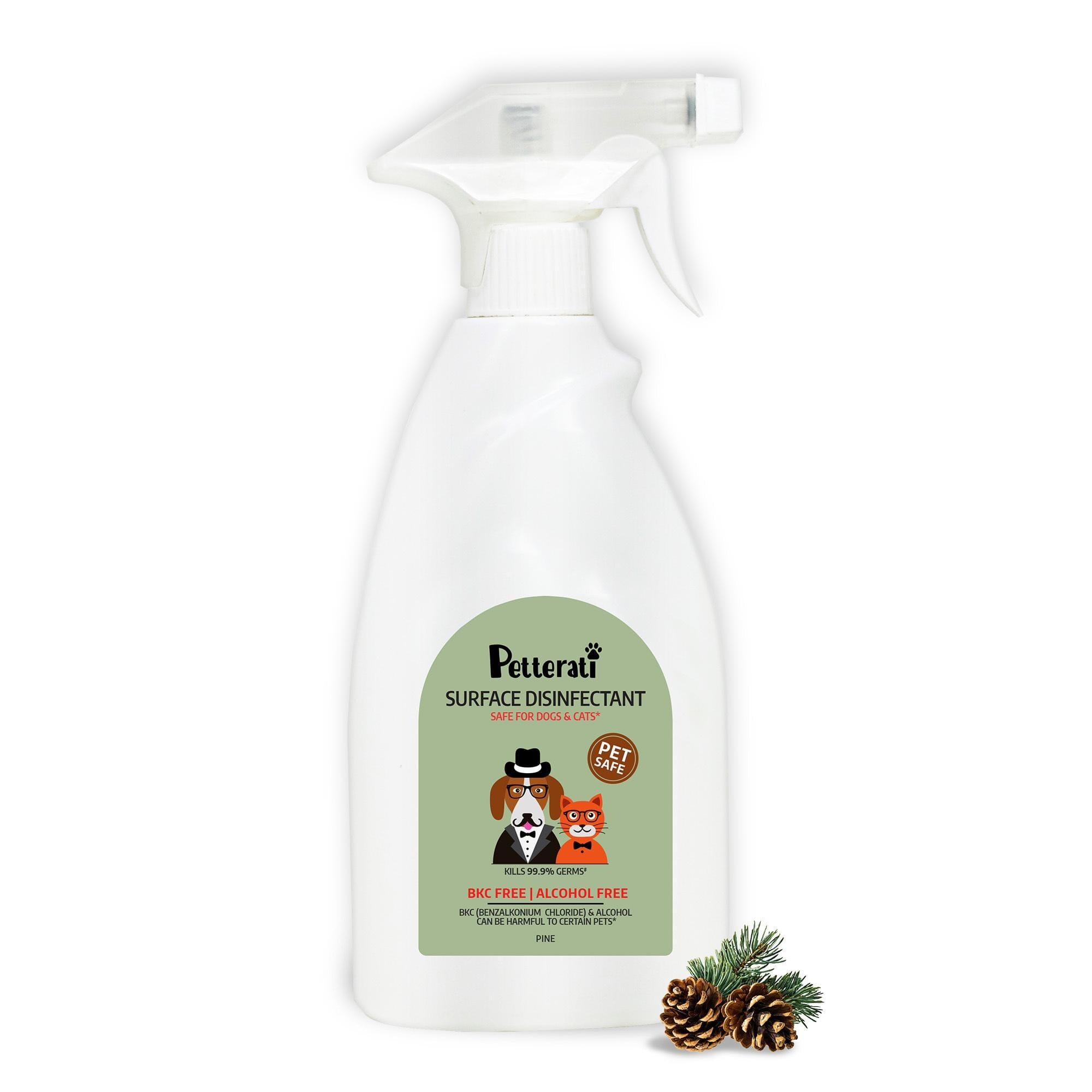
In the ongoing battle against pests that have plagued humanity for centuries, lice remain a formidable foe. Tiny yet tenacious, these minuscule insects can incite a frenzy of discomfort and embarrassment. Among the myriad of products available to combat such infestations, Lysol emerges as a potential contender. However, does this household disinfectant truly possess the prowess to eradicate lice? To unravel this enigma, one must delve into the world of lice, the properties of Lysol, and the complexities of lice treatment.
The Nature of Lice: An Unwelcome Intruder
Lice are wingless parasites that reside primarily on the scalp, feeding on human blood. Their existence can often be likened to unwelcome guests at a party who refuse to leave, clinging to hair shafts and multiplying with alarming rapidity. There are three principal types of lice: head lice, body lice, and pubic lice. Each type has its own unique territory; yet, they all share a common trait—the ability to spread swiftly within close quarters, particularly among children in schools or daycares.
Lice Life Cycle: A Spiraling Journey
Understanding the life cycle of lice provides insight into why they are such pesky adversaries. The journey begins with the female louse laying eggs, known as nits, which firmly attach to hair follicles close to the scalp. These nits resemble tiny specks of dandruff—except they are far more sinister. After roughly a week, the nymphs hatch, and before one realizes it, these tiny creatures mature into adults in another week or so. It’s a relentless cycle, perpetuating the infestation unless halted decisively.
The Anatomy of Lysol: A Double-Edged Sword
Lysol, a stalwart in the arsenal of disinfectants, is often hailed as a guardian against germs and bacteria. Its active ingredients, particularly benzalkonium chloride and ethanol, are formidable in their ability to destroy harmful microbes. While Lysol’s primary function is to disinfect surfaces, its powerful formulation raises a compelling question: Does it have the capacity to annihilate lice as well?
Yet, to liken Lysol to an all-encompassing solution would be disingenuous. While this disinfectant may kill some forms of germs upon contact, lice are resilient beings. The hard shell of a louse provides a robust barrier, allowing it to withstand many chemical aggressors, thus evading Lysol’s intended purpose.
Examining Efficacy: The Science Behind the Claims
Numerous households have weaponized Lysol in an effort to remedy lice infestations. However, empirical evidence regarding its efficacy against lice is scarce. The act of spraying Lysol on hair or directly targeting lice can be likened to hurling a pebble into a vast ocean; it may create ripples, but the core issue remains unresolved. Many experts advocate for lice treatments specifically designed to target these pests, as opposed to general-purpose disinfectants.
Alternative Solutions: The Refuge of Specialized Treatments
When confronting an onslaught of lice, specialized treatments such as topical insecticides or prescription therapies are heralded as more reliable avenues. Most over-the-counter lice treatments contain active ingredients like permethrin or pyrethrin, which are specifically formulated to penetrate the tough exoskeleton of lice and disrupt their central nervous systems. Additionally, natural alternatives like essential oils—tea tree or neem oil—have gained popularity for their anecdotal efficacy.
Moreover, the mechanical removal of nits and lice—using a fine-toothed comb—serves as a diligent defense. This approach, while labor-intensive, disrupts the cycle of reproduction, thereby diminishing the population of these unwelcome guests.
The Cleaning Conundrum: Beyond Surface Disinfection
While Lysol may not be the sword that vanquishes lice, it remains an essential tool for tackling the aftermath of an infestation. An infestation does not merely reside on the scalp; it can infiltrate one’s environment as well. Bedding, clothing, and upholstered furniture can serve as unwitting hosts for lice and their nits. Utilizing Lysol on these surfaces can help quell the chance of re-infestation, acting as a barrier against their potential resurgence.
Prevention: The Best Defense
In the intricate dance of life, prevention is always better than the cure. Ongoing education about lice, their transmission methods, and proper hygiene practices is paramount in dodging infestations. Schools and daycare centers should foster open discussions about lice awareness, while parents must remain vigilant in performing regular checks on children, particularly after known exposure.
Conclusion: Choosing Your Battle Wisely
In summation, while Lysol proves its merit in the realm of disinfection, it is not equipped to conquer the army of lice that may lay siege to a household. Instead, specialized lice treatments and diligent combing should lead the charge. Lysol can serve as a supportive ally, ensuring that the battleground remains uncontaminated by secondary threats. Ultimately, the journey against lice requires a multifaceted approach—one that combines targeted treatment with preventative measures for lasting relief from these persistent pests.








Leave a Comment