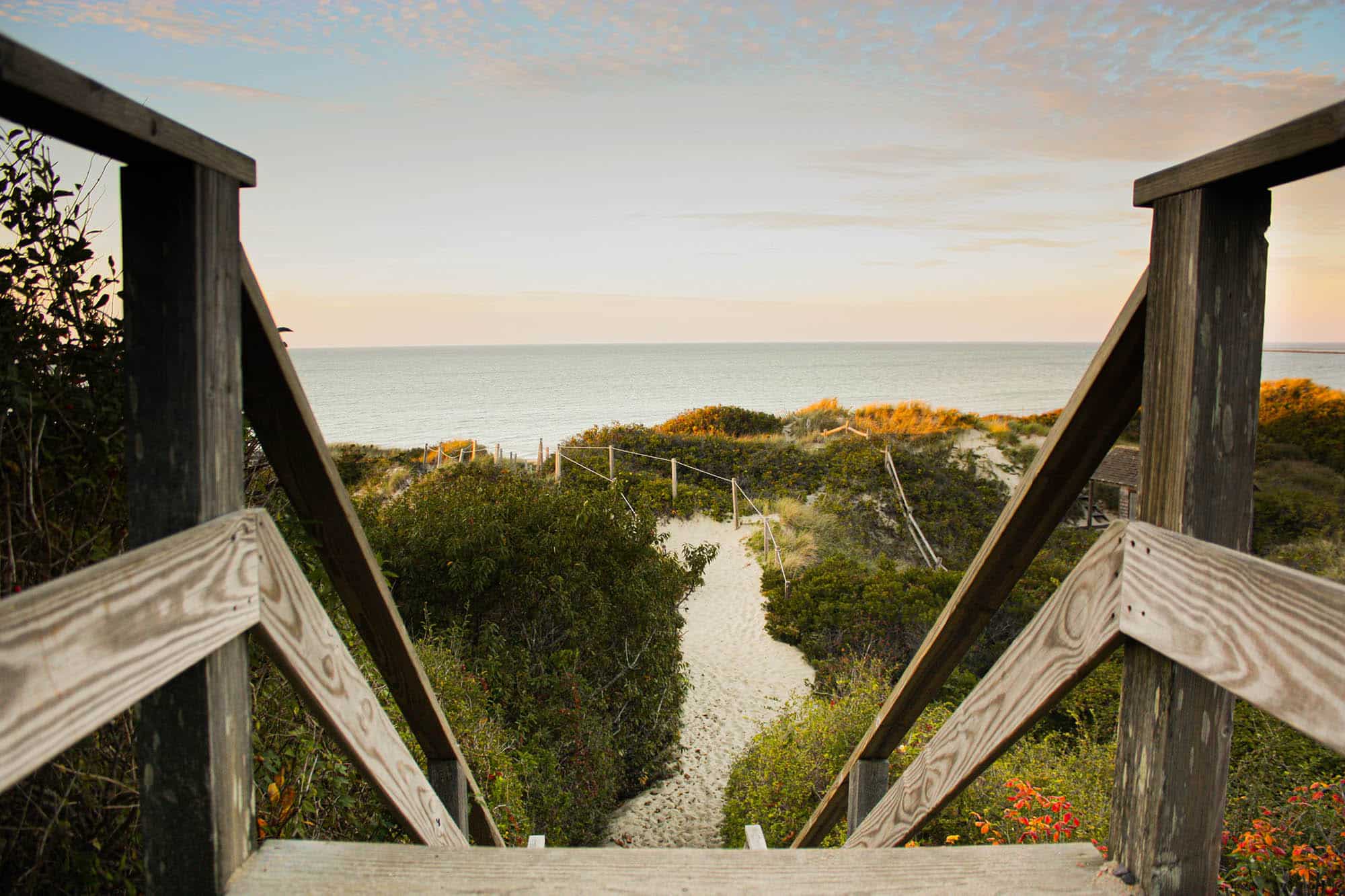
Do people visit beaches less during the fall? This question evokes a playful curiosity about the evolving seasons and our preferences for leisure activities. While summer conjures images of sun-soaked sands and ocean waves, the transition to fall prompts a noticeable shift in behavior. The question then becomes not just about frequency of visits but about the myriad factors influencing our beach-going habits as the leaves begin to change colors. Let’s delve into the intricacies of why, for many, the fall season may deter beach visits, yet for others, it invites a unique charm that deserves exploration.
1. Seasonal Transformation and Perception
As summer bids adieu, the gradual transformation of landscapes instills a sense of nostalgia. The golden hues of autumn foliage juxtaposed against the azure sea create striking visuals, yet a palpable change occurs in our collective psyche. The association of beaches with warmth and vibrant energy may deter some from venturing out. Many individuals equate falling temperatures with the end of beach season, but is that true for everyone?
2. Weather Considerations
Fall weather varies dramatically from one location to another. In coastal regions, the days may still bear the remnants of summer’s warmth, inviting sunbathers and surfers alike. Yet, as crisp air moves in, the allure of the beach may diminish. High winds, cooler temperatures, and the chance of rain can create an inhospitable environment that even the most dedicated beachgoer might hesitate to brave. Therefore, people may rethink their plans, opting instead for indoor activities that promise warmth and comfort.
3. The Shift in Activities
As surfboards and sunscreen cede the spotlight, fall introduces a spectrum of alternative recreational activities. Hiking through vibrant trails, picking apples, and sipping pumpkin spice lattes become the new norms. Children return to their studies, and families shift focus to seasonal festivities, which further reduces the impetus for beach excursions. The beach transforms from a celebration space into something almost foreign, as the calendar flips to autumn.
4. Economic Implications
Your local economy might breathe a sigh of relief as summer tourists depart. Hotels and restaurants reliant on beach traffic often see a steep decline in business as cooler temperatures drive potential visitors away. This phenomenon leads to reduced staffing and changes in operating hours for many beach enterprises. Conversely, some innovative businesses pivot to market fall-related activities, such as coastal excursions featuring whale watching, creating opportunities that might entice visitors to return.
5. The Allure of Solitude
Yet, while some flee from the beach as the calendar turns, a different breed of enthusiasts emerges. The tranquil solitude of a fall beach visit can be tantalizing. With fewer crowds, a contemplative atmosphere reigns supreme, allowing for introspective wanderings along the shore. The reduced foot traffic fosters a connection to nature stripped of summer’s frenetic energy. For those seeking solace and inspiration, this appeal can be irresistibly enriching.
6. Fall Festivities and Beach Events
Interestingly, as summer winds down, many beaches embrace the change with unique events. From bonfires and beach-themed festivals to art installations celebrating the season, fall offers myriad opportunities for social and cultural gatherings. Such events can pique interest for those considering a trip to the coast, presenting a chance to celebrate community and the changing seasons in specialized ways. Will these vibrant encounters entice people back to the beach, shifting perceptions away from inactivity?
7. Physiological and Psychological Aspects
Humans are inherently influenced by light, weather, and temperature, impacting mood during transitional periods. The decrease in daylight hours can correlate with diminished energy, resulting in a lack of motivation for outdoor activities. Seasonal Affective Disorder (SAD) can shape behavior, making the cozy allure of indoors far more inviting than cool beach breezes. Thus, the psychological impact of autumn plays a fundamental role in the decline of beach visits.
8. The Influence of Local Culture
It’s essential to consider cultural factors that determine how people interact with beaches during fall. Coastal communities often imbue their local customs into seasonal practices. What may seem mundane elsewhere can become part of a regional identity. For instance, beach bonfires may be deeply rooted in local tradition, transforming the beach landscape as communities gather, challenging traditional notions regarding fall’s impact on beach attendance.
Conclusion: Embracing Seasonal Variety
In summary, the question of whether people visit beaches less in the fall is steeped in complexity. While weather, activity preferences, and economic factors contribute to diminishing crowds, a growing appreciation for solitude and seasonal festivities offers alternative motivations for visitation. Evidence suggests that while traditional summertime beach culture wanes as temperatures drop, the potential for exploration and discovery remains vibrant. Ultimately, it invites a reflection: Are beaches to be deemed exclusive to warmer months, or can they be celebrated year-round? The answer may depend not merely on climatic conditions, but on how we redefine our relationships with nature as the seasons change.











Leave a Comment