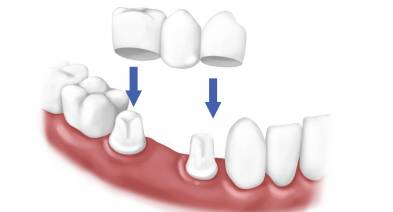
Have you ever found yourself wondering what truly keeps your dental crowns secure? The answer lies in a rather unassuming agent: dental glue, or more scientifically speaking, dental cement. It’s a bit like the adhesive that binds together two pieces of a cherished memory, safeguarding the integrity of your dental work while presenting a few challenges of its own. So, what are the intricacies involved in choosing dental glue for crowns, and how do we navigate the potential pitfalls? Let’s delve deeper into the world of dental adhesives, exploring their types, applications, advantages, and precautions.
Understanding Dental Crowns
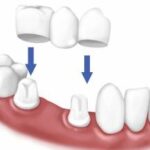
Before venturing into the realm of dental adhesives, it’s essential to understand the structure and purpose of dental crowns. Dental crowns are custom-made caps that encase a damaged or weakened tooth, restoring both function and aesthetics. They’re typically utilized post-root canal therapy or in instances of a fractured tooth due to decay. While crowns serve an important purpose in dental restoration, they rely heavily on the efficacy of dental glue to maintain their placement. In fact, the reliability of the crown hinges significantly on the adhesive selected.
The Essential Role of Dental Cement
Dental cement plays a crucial role in the longevity and stability of dental crowns. Far from being merely a sticky substance, it functions as a bonding agent that adheres the crown to the underlying tooth structure. The choice of dental glue affects not only the immediate retention but also the long-term health of the tooth and surrounding gum tissues. A subpar adhesive can lead to a myriad of problems, rendering the crown susceptible to dislodgement, decay, or even failure.
Types of Dental Glue for Crowns
There are several categories of dental cement, each with its own unique characteristics and applications:
- Resin-Based Cements: Known for their superior bonding properties, resin-based cements are often favored for their aesthetic advantages, particularly in visible areas. They cure in the presence of light and create a strong bond with both the tooth and the crown.
- Ceramic Cements: Ideal for porcelain or ceramic crowns, these cements are designed to complement the aesthetic qualities of these materials. They adhere well and can also provide adequate strength, although may not offer the same bonding power as resin-based options.
- Glass Ionomer Cements: Often used for cementing crowns on posterior teeth, glass ionomer cements release fluoride, contributing to the health of the underlying tooth structure. They offer acceptable strength but may lack in aesthetic appeal compared to resin options.
- Temporary Cements: For those who require a provisional crown, temporary cements serve as a stopgap solution, allowing patients the time to decide on a permanent restoration. However, they are not designed for long-term use and typically allow crowns to be easily removed.
Choosing the Right Dental Glue
The selection of dental glue for crowns is not merely a matter of preference but requires careful consideration of various factors. Understanding the specific requirements of your dental crown, including its material and location in the mouth, can guide your choice. Your dentist will likely perform a thorough evaluation and recommend a cement type that corresponds with the unique demands of your situation. Moreover, the skill of the dentist plays an equally vital role; an adept application ensures that the adhesive bond will withstand the test of time.
Advantages of Using Dental Glue
The advantages of effective dental cementing are manifold:
- Enhanced Longevity: A solid adhesive bond can significantly prolong the lifespan of a dental crown, helping avoid additional dental interventions.
- Preservation of Tooth Structure: Proper cementation minimizes the risk of secondary decay, as it creates a seal that protects the underlying tooth from harmful bacteria.
- Improved Comfort: Well-placed crowns can alleviate discomfort and restore proper function, leading to a more satisfying dental experience.
Potential Challenges with Dental Glue
- Technique Sensitivity: The effectiveness of dental glue can be compromised by improper application techniques. This aspect emphasizes the importance of a skilled dentist.
- Material Compatibility: Not all cements are compatible with every crown material. Choosing the wrong glue can lead to adverse outcomes.
- Post-Operative Issues: Some patients may experience sensitivity following cementation due to inflammatory responses or other factors.
Proper Maintenance and Care
Conclusion
In summary, dental glue is a fundamental component in the longevity and efficacy of crowns. It is essential to recognize that choosing the appropriate adhesive, understanding its properties, and maintaining impeccable dental hygiene are critical steps in ensuring successful restoration. As you reflect on your dental care journey, remember that the glue holding your crown in place is far more than a simple adhesive; it’s a testament to the intricate interplay of dental science and patient care. So, the next time you smile confidently, remember the vital role that dental glue plays in preserving that beautiful grin.






Leave a Comment