In the ever-evolving world of running, various race distances pique the interest of enthusiasts and novices alike. Among them is the half marathon, an event that strikes a balance between endurance and accessibility, appealing to a broad spectrum of participants. But how many kilometers is a half marathon? The answer, while straightforward, unfolds into a discourse rich with context, preparation, and the sheer joy of accomplishing this notable distance.
A half marathon is officially recognized as 21.0975 kilometers. This distance, which is essentially 13.1 miles, presents a formidable challenge yet remains manageable for many runners. Its appeal lies in the fact that it is not excessively daunting like a full marathon, which totals 42.195 kilometers, but is still substantial enough to require considerable training and dedication.
The origins of the half marathon date back to the early 20th century. Races began to garner popularity, and the half marathon swiftly emerged as a favored distance that catered to both recreational and competitive runners. It embodies a unique blend of commitment and enjoyment, offering participants the opportunity to push their boundaries without delving into the intensive preparation required for full marathons.
One of the alluring aspects of the half marathon is its burgeoning prevalence around the globe. Countless events are organized throughout the year, drawing aspiring athletes to majestic locations, from scenic coastal routes to bustling urban landscapes. Each race not only provides a personal challenge but also serves as a cultural experience, as participants engage with the local running community and share their stories on race day.
Preparing for a half marathon is no trivial pursuit. Training regimens often span several weeks or months, focusing on gradually building mileage while ensuring the runner’s body adapts to the rigors of distance running. Most training programs recommend that runners clock in at least 10 to 12 weeks of consistent running before race day. This approach helps in strengthening muscles, improving cardiovascular endurance, and fine-tuning pacing strategies.
During training, one may encounter a variety of runs, including long runs, tempo runs, and interval sessions. Each type of run serves a distinct purpose, enhancing different aspects of performance. Long runs cultivate stamina, preparing the body for the ultimate test on race day. Tempo runs hone speed and efficiency, while interval sessions introduce a variety of paces, promoting cardiovascular conditioning. Together, these elements contribute significantly to a runner’s preparation.
Navigating hydration and nutrition is paramount in training as well. Properly fueling the body before, during, and after training runs ensures optimal performance. This attention to dietary needs becomes especially accentuated as race day approaches. Participants often experiment with various gels, sports drinks, and snacks to determine what works best for their systems during longer runs.
On race day, runners should expect a vibrant atmosphere filled with excitement and camaraderie. The half marathon experience is characterized not only by the run itself but also by the palpable energy that resonates among participants. Whether it’s the rhythmic pounding of shoes on pavement or the spontaneous cheers from supportive spectators, each moment encapsulates a shared dedication to personal achievement.
Additionally, those who partake in half marathons often find themselves drawn to the community of fellow runners. The bonds formed through shared training experiences and race day trials foster a sense of belonging. This community acts as a support system, encouraging runners to embrace their journeys, whether they are seasoned athletes or newcomers sampling the exhilarating rush of long-distance running.
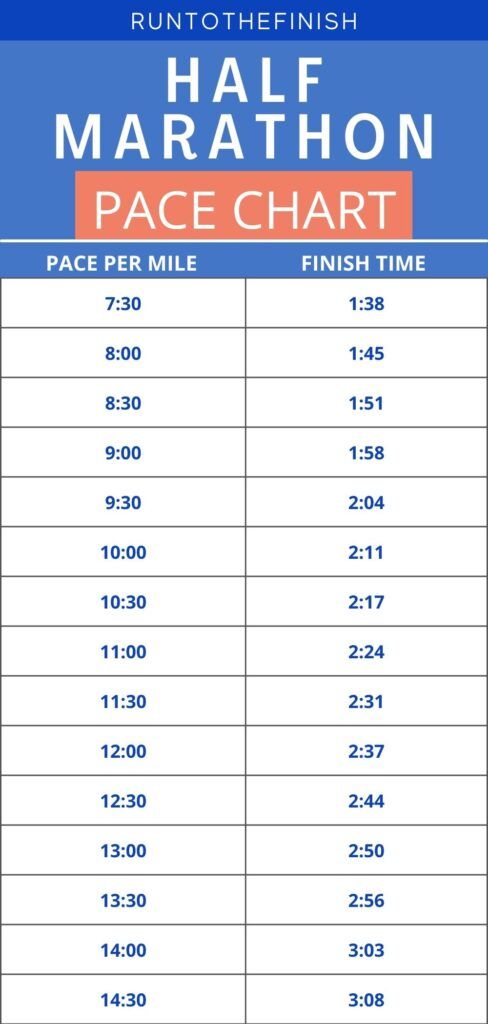
When it comes to the actual race, pacing emerges as a critical factor. Many novice runners may struggle with finding their rhythm over the 21.0975 kilometers. Establishing a manageable pace not only conserves energy but also allows for a satisfying finish. Typically, training runs involve testing different paces to ascertain what feels comfortable and sustainable over the duration of the race. Strategy becomes a guiding principle as participants gauge their energy levels against the kilometers yet to be covered.
Post-race recovery is equally essential. Completing a half marathon is not merely about crossing the finish line; it encompasses the entire journey leading up to that moment and beyond. Proper cool-down exercises, hydration, and nutrition help foster recovery, allowing the body to bounce back from the exertion of 21.0975 kilometers. Moreover, this recovery period can provide valuable insights into future training regimens and racing strategies.
In summary, the half marathon exemplifies the determination and resilience that many strive to embody in both running and life. Clocking in at 21.0975 kilometers, this distance challenges participants while offering a transformative experience. From rigorous training to the electrifying atmosphere of race day, individuals embarking on this journey confront their limits, forge connections, and ultimately revel in a sense of accomplishment unparalleled in the world of sports. Whether it’s the allure of competition, personal growth, or simply the love of running, a half marathon often becomes a testament to the extraordinary capabilities residing within us all.











Leave a Comment