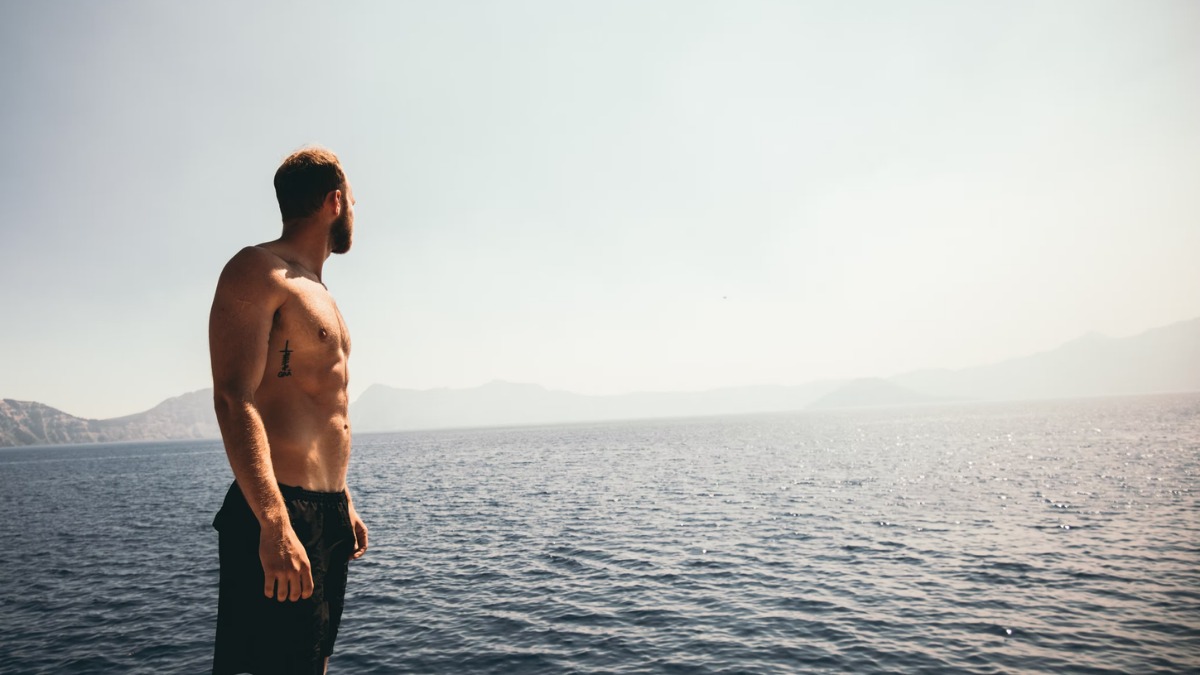
Sun-kissed skin often evokes feelings of summer joy, beach days, and vacations spent basking in the warmth of the sun. However, the question of how long a tan lasts is multifaceted, dependent on various factors, including skin type, tanning method, and maintenance. This comprehensive guide explores the intricacies of tanning duration, distinguishing between natural and artificial methods, while providing insights into how to prolong that desirable glow.
Understanding the Types of Tans
To effectively address the longevity of a tan, one must first recognize the different types of tanning methods available. The two primary categories are:
- Natural Tans: Achieved through sun exposure, natural tanning involves the skin’s production of melanin, the pigment responsible for skin color. Increased melanin production occurs as a response to ultraviolet (UV) radiation, leading to a darker complexion.
- Artificial Tans: This category includes sunless tanning products, such as sprays, lotions, and creams, which generally contain dihydroxyacetone (DHA). DHA interacts with the proteins in the skin’s outer layer, resulting in a temporary bronze hue that mimics a natural tan.
The Duration of a Natural Tan
Natural tans generally last anywhere from 7 to 10 days. Several factors influence this duration, including:
- Skin Type: Individuals with fair skin tend to tan less deeply and may see their tan fade more quickly compared to those with naturally darker skin tones, who often retain their bronzed look longer.
- Sun Exposure: The intensity and frequency of sun exposure affect tan longevity. A deeper tan may develop with consistent exposure, while sporadic sunbathing often results in a transient shade.
- Skin Care Regimen: A well-maintained skin-care routine that promotes hydration can significantly enhance the lifespan of a tan. Using gentle exfoliants can help avoid premature fading caused by dead skin cell turnover.
The Duration of an Artificial Tan
Artificial tans vary in duration, often lasting between 4 to 14 days. Key elements that determine their longevity include:
- Application Method: Professional spray tans typically offer a longer-lasting result compared to at-home applications, due to superior product formulations and expert techniques.
- Skin Preparation: Proper exfoliation and moisturization before applying self-tanner can create a smooth, even base, enhancing the tan’s duration.
- Product Quality: The ingredients in sunless tanning products greatly influence their effectiveness and longevity. Products containing high-quality DHA usually provide a longer-lasting color.
Factors Influencing Tan Longevity
Beyond the method of tanning, several overarching factors can impact how long your tan will last:
- Hydration Levels: Well-hydrated skin retains its color better than dry skin. Regular application of moisturizers can help prolong the tan’s vibrancy.
- Exfoliation: While exfoliation is vital for the initial tan application, over-exfoliating can lead to quicker fading. Finding a delicate balance is crucial.
- Sun Protection: Using sunscreen is paramount to prevent further skin damage while also helping to maintain your existing tan. Opt for broad-spectrum SPF products that protect against both UVA and UVB rays.
Sun Exposure and Its Effect
When considering a tan’s lifespan, it is essential to understand the role of ongoing sun exposure. While sunbathing may deepen an existing tan, excessive UV exposure can lead to skin damage and should always be approached with caution. Safe sun practices involve limiting sun exposure hours, wearing protective clothing, and reapplying sunscreen every two hours.
Maintaining Your Tan
To extend the lifespan of both natural and artificial tans, consider incorporating the following practices into your skincare routine:
- Regular Moisturization: Daily application of a hydrating lotion can lock in moisture, preserving color.
- Specific Products for Tanning: Look for products formulated specifically for tanned skin. These often include ingredients like aloe vera and natural oils that hydrate without stripping color.
- Minimize Hot Showers: Hot water can lead to faster fading, while shorter, cool showers will help maintain skin hydration and tan appearance.
Special Considerations
Certain circumstances may also affect the longevity of your tan. Pregnancy, hormonal changes, and age can alter skin sensitivity and melanin production, leading to unexpected variations in tanning duration and quality.
Conclusion
The question of how long a tan lasts is complex and influenced by various factors, from tanning method to specific skin care practices. Whether you prefer the sun’s natural warmth or the convenience of a bottled tan, understanding these nuances can help you make the most of your bronzed complexion. By implementing a thoughtful regimen that prioritizes skin health, you can revel in the golden glow of a lasting tan while ensuring your skin remains vibrant and protected.




Leave a Comment