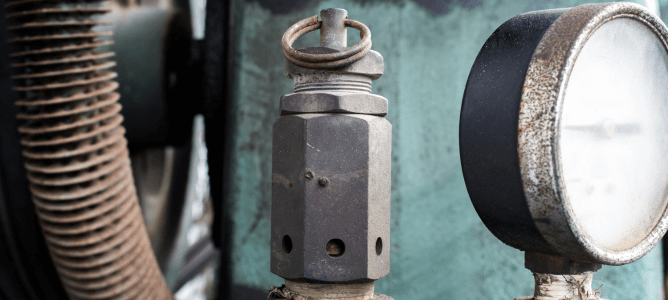
Air compressors are pivotal in a myriad of industrial and domestic applications, from powering pneumatic tools to inflating tires. However, nestled within this mechanical marvel lies a critical component often overlooked: the relief valve. This unassuming piece of equipment plays a vital role in ensuring the safe and efficient operation of the air compressor. Its significance goes beyond mere functionality; it stimulates curiosity about how compressed air systems operate and the intricate balance they maintain. In this guide, we will delve deep into the anatomy, function, types, maintenance, and importance of air compressor relief valves.
The Anatomy of the Relief Valve
A relief valve is essentially a safety device that monitors pressure levels within the air compressor system. It is typically constructed from durable materials such as brass or stainless steel to withstand high-pressure environments. The valve comprises several components:
- Spring Mechanism: This component is vital as it applies a calibrated force against the valve seat, determining the pressure threshold that will trigger the valve to release air.
- Valve Seat: The surface where the valve closes to prevent air from escaping. It must create a perfect seal to maintain the pressure inside the tank.
- Pressure Adjustment Screw: This allows for manual adjustment of the pressure setting, enabling operators to customize the system’s pressure requirements.
- Discharge Port: The exit point through which excess air is expelled safely from the system.
The Function of the Relief Valve
The primary function of the relief valve is to prevent over-pressurization, a dangerous situation that can lead to catastrophic failures or explosions. As the compressor operates, it compresses air into a storage tank. If the pressure exceeds the manufacturer’s specifications, the relief valve opens to release excess air, ensuring that the system remains within safe operational limits.
This mechanism highlights an essential characteristic: the delicate equilibrium of pressure. Maintaining this balance is crucial for the longevity and efficiency of the compressor, illustrating the paradox of design wherein simplicity governs safety. Curiosity sparks when one considers the engineering principles at play: how a seemingly straightforward mechanism possesses the complexity necessary to avert disasters.
Types of Relief Valves
Relief valves come in various configurations, each tailored for specific applications:
- Spring-Loaded Relief Valves: The most common type, where a spring mechanism controls the valve’s opening based on pressure levels. Their simplicity makes them ideal for most air compressor applications.
- Piloted Relief Valves: These valves utilize a secondary smaller valve that is actuated by the primary pressure. They are capable of handling higher flow rates and can be adjusted for more precise pressure control.
- Electronic Relief Valves: A modern innovation, these valves employ electronic controls to open and close based on real-time monitoring of system pressure. This type offers sophisticated responsiveness, especially valuable in automated environments.
Installation Considerations
The placement of the relief valve within the air compressor system is crucial for optimal performance. Situating the valve as close to the compressor head as possible allows for immediate response to pressure fluctuations. Additionally, installing the discharge port in a manner that directs airflow away from personnel and sensitive equipment is paramount to maintaining a safe workspace.
During installation, operators should also ensure that the relief valve is properly sized and rated for the compressor’s capacity. An inadequately sized valve can lead to either frequent triggering, causing unnecessary air loss, or failure to activate in unsafe situations. This attention to detail can illuminate broader design principles, as the hidden mechanics of air pressure underpin a multitude of technologies.
Maintenance of Relief Valves
Regular inspection and maintenance of the relief valve are essential for ensuring operational integrity. Amassing a history of signs including leaks, corrosion, or erratic pressure readings can hint at potential issues lurking within the system. Operators should adopt the following practices:
- Routine Inspections: Schedule at least bi-annual checks of the relief valve and surrounding components, examining for wear or damage.
- Test the Valve: Periodically test the valve by manually activating it to ensure it opens and closes smoothly.
- Replace as Necessary: If a valve fails to seal properly or displays signs of fatigue, replacement should occur promptly to avert operational risks.
The Importance of Relief Valves
While often considered ancillary, relief valves are a linchpin in the safety and operation of air compressor systems. Their ability to deftly manage pressure levels underscores a broader narrative about safety and reliability within machinery. In a world where the intricate synergy between components often goes unnoticed, the reliable functionality of a relief valve cultivates an appreciation for engineering as a blend of art and science.
Conclusion
The air compressor relief valve may seem like a minor component, but its impact reverberates throughout the compressor’s operation. Through the lens of this small but mighty mechanism, we can indulge our curiosity about the complexities and interdependencies in mechanical design. By acknowledging its functionality, types, installation nuances, and maintenance protocols, we cultivate a deeper understanding of safety measures that protect both the equipment and the operator. It is here, in the interplay of pressure and engineering, that we uncover the profound fascination with the world of air compressors.










Leave a Comment