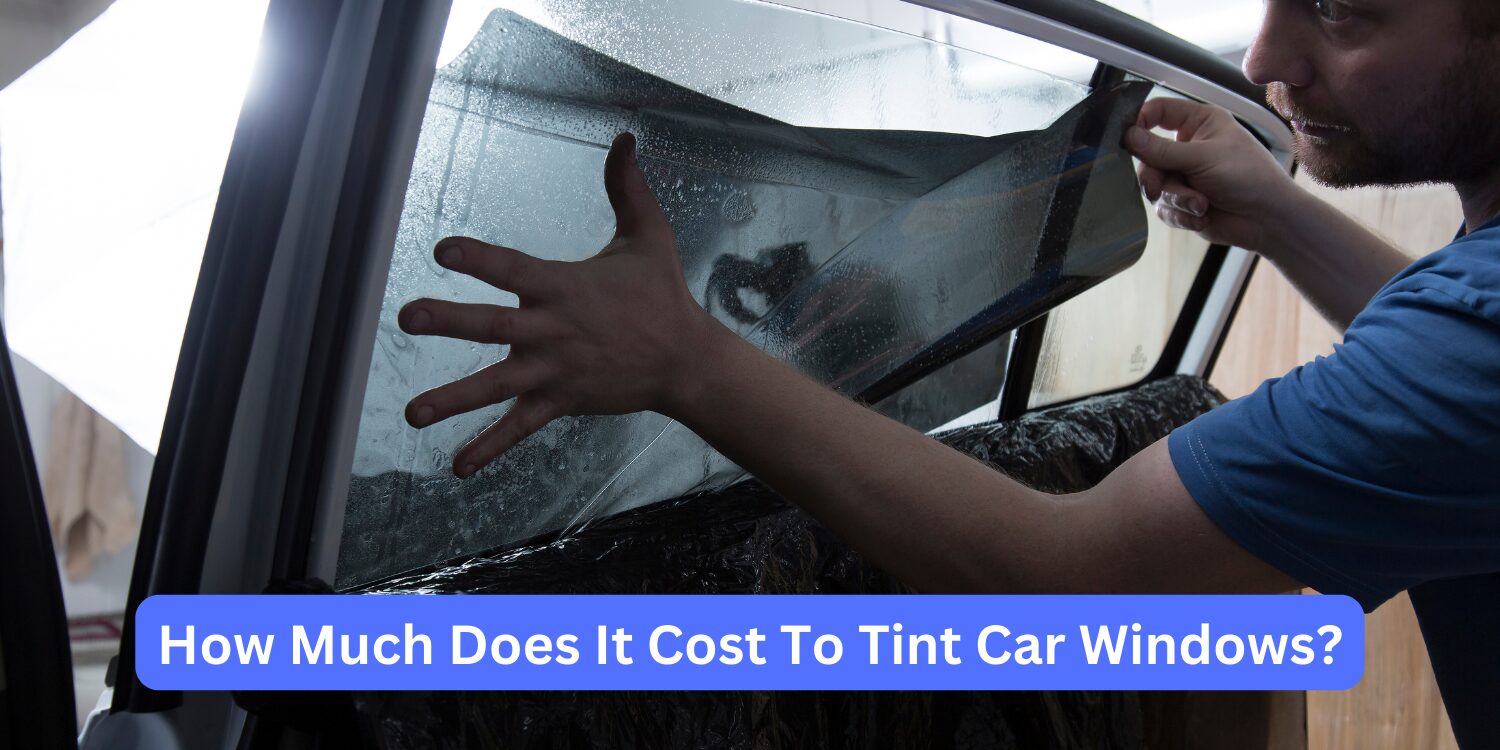
Window tinting has become increasingly popular among car enthusiasts and everyday drivers alike. Not only does it add an aesthetic touch to your vehicle, but it also provides privacy, reduces heat and glare, and protects your upholstery from harmful UV rays. However, potential car owners often grapple with the question: how much does it cost to tint car windows? This article delves deep into the various factors that influence window tinting costs, providing you with a comprehensive understanding of what you might pay.
1. The Type of Tint
The choice of tint material significantly impacts the overall cost of the tinting process. Here are the primary types of window tints:
- Dye-based Tint: Generally the most affordable option, dye-based tints utilize a dyed film to absorb solar energy. Prices typically range from $100 to $300 for a complete vehicle.
- Metalized Tint: Featuring metallic particles, this type offers enhanced durability and heat rejection. It typically costs between $200 and $500.
- Carbon Tint: Known for its rich appearance and superior heat rejection capabilities, carbon film usually falls in the $250 to $600 price range.
- Ceramic Tint: Though it demands a higher price due to its advanced technology, ceramic film provides unmatched heat rejection without interfering with electronics, typically costing anywhere from $400 to $800.
2. Vehicle Type
The make and model of your vehicle can influence the price of window tinting. Compact cars may require less film, leading to lower costs compared to larger SUVs and trucks. Premium vehicles, with complex window shapes or additional glass surfaces, can elevate the price due to the increased labor and material required. For instance, while a standard sedan might incur costs of $200 to $500, a luxury SUV could run from $400 to $1,000.
3. Professional Installation vs. DIY
While some daring individuals might consider a DIY approach to window tinting, hiring professionals can cost significantly more, but it often yields superior results. The labor involved in tinting windows can be intricate and requires specialized skills to ensure the film adheres correctly and bubbles or creases do not develop. Professional installation typically ranges from $100 to $250 on top of the tint material cost, depending on the complexity of the job and the installer’s expertise.
4. Number of Windows
Most tinting shops charge based on the number of windows being tinted. Consequently, the total cost can escalate if you’re looking to tint all the windows in your vehicle. Some shops offer a package deal for sedans, which may include the front windshield and side windows, often priced around $300. However, full SUV tinting can easily exceed $600.
5. Local Regulations and Legal Aspects
Be mindful of your local laws regarding window tinting, as violating regulations can lead to fines and may necessitate the removal of the film. Certain jurisdictions have strict guidelines regarding the permissible visible light transmission (VLT) percentage for various windows. Understanding these regulations before choosing a tint can save you money in the long run by avoiding hidden costs associated with legal compliance or product removal.
6. Quality of Material Used
Higher-quality materials tend to carry an elevated price tag. When considering window tinting, remember that opting for premium materials can ensure longevity and better performance. Cheaper options may fade and degrade faster, leading you to redo the tint sooner than expected. Investing in higher-grade materials provides better heat rejection and UV protection, ultimately benefiting you and your vehicle over time.
7. Warranty and Customer Support
When making investments, consider warranties offered by tint installation companies. A robust warranty can indicate a higher-quality product and installation service. Many professional installers provide warranties ranging from 5 to 10 years, covering bubbling, peeling, or discoloration. Opting for a reputable provider that stands behind their work can save you future expenses related to reapplication.
8. Additional Services
Some tinting shops offer additional services that can increase the overall cost but may enhance the value of your tint. These services may include heat shrinking, custom patterns, or even the option to tint sunroofs. Some garages may also provide detailing services or protective coatings that complement the tinting service, helping extend the lifespan of both the tint and the vehicle’s interior.
Conclusion
In conclusion, the cost of tinting car windows varies based on multiple factors, including the type of tint, vehicle size, installation method, and local regulations. A budget-conscious driver may opt for a simple dye-based tint on a compact sedan, while an aficionado might invest in high-end ceramic film for a luxury SUV. By understanding the various elements that impact the cost, you can make an informed choice that meets your preferences and budgetary constraints. Ultimately, while window tinting serves practical purposes, it also adds character and style to your vehicle, making it a worthwhile investment.







Leave a Comment