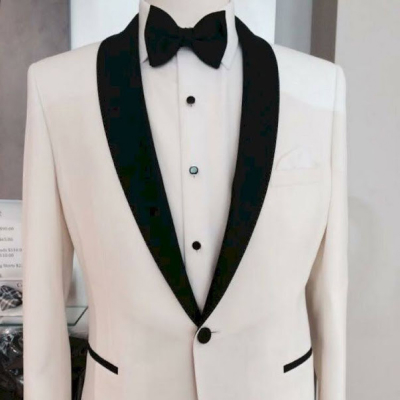
In the pantheon of formal attire, one garment stands prominently—the tuxedo jacket. This iconic piece is not merely a staple in men’s fashion; it symbolizes sophistication, celebration, and the art of dressing well. But what exactly is a tuxedo jacket? Let’s delve deeper into its essence, exploring its features, history, and the myriad reasons behind its lingering charm.
The tuxedo jacket, often referred to as a dinner jacket or smoking jacket, is a tailored garment designed for formal evening wear. Characteristically crafted from luxurious fabrics such as wool, silk, or velvet, it features a distinct satin or grosgrain lapel that sets it apart from the traditional suit jacket. This lapel, typically attainable in styles including shawl, notch, or peaked, adds a layer of elegance, poised to capture attention in any formal gathering.
One cannot discuss the tuxedo jacket without addressing its intriguing origin. Emerging in the late 19th century, the black tuxedo was introduced as a more comfortable alternative to the frock coat, primarily favored in upper-class society. This sartorial shift was influenced by a burgeoning appetite for less formal attire, reflecting societal changes and evolving norms around fashion. The genesis of the tuxedo came into full view when it was adorned by a coalition of celebrities, prompting its rise from obscurity to a requisite wardrobe piece for men attending formal gatherings.
The appeal of the tuxedo jacket is underpinned by its multifaceted nature. Not only does it serve as an attire for formal dinners, weddings, and galas, but it also embodies a cultural artifact. It signifies moments of celebration and milestones, connecting generations through shared experiences, such as proms and awards ceremonies. Therein lies its enchantment—each tuxedo jacket carries with it stories, memories, and the indelible mark of human experience.
Now, let’s explore the hallmark features of a tuxedo jacket in greater detail. The construction of a tuxedo jacket is characterized by precision and craftsmanship. Typically, it comes in two primary fabric weights: lightweight for warmer climates and heavier options for chillier evenings. The interior is often lined with satin or silk, enhancing both comfort and aesthetic appeal.
The color palette of a tuxedo jacket traditionally gravitates toward classic hues such as black or midnight blue. However, contemporary fashion has embraced a kaleidoscope of options, including bold colors and patterns that speak to individual identity and expression. Tailoring plays a pivotal role in achieving the quintessential look; an impeccably fitted tuxedo jacket can elevate a gentleman’s appearance, commanding presence and confidence.
Accessories also play a crucial part in completing the ensemble. The choice of bow tie versus necktie, and the material of the shirt—whether a wingtip collar or a classic laydown collar—are imperative decisions. Coupled with cufflinks, a pocket square, and shoes, each element contributes to the overall effect, creating a harmonious blend of modernity and tradition.
When examining the emotional connection individuals have with tuxedo jackets, it becomes evident that such garments evoke anticipation and excitement. The act of dressing in formal attire—particularly a tuxedo—triggers a transformation, instilling a sense of importance and distinction. Men and women alike relish the idea of donning a tuxedo jacket; it is a rite of passage that conjures fond memories, ranging from first proms to lavish weddings. The jackets symbolize not just attire but a bridge across generations, linking the past with the present.
Moreover, the fashion industry continually pushes the boundaries of how a tuxedo jacket is perceived and worn. Designers have expanded the horizons of this timeless piece by experimenting with unconventional materials, asymmetrical designs, and avant-garde silhouettes. This evolution signifies not only a shift in fashion but also illustrates the cultural redefinition of formal wear. It invites individuals to express their personality while preserving the sassiness and charm that come with the tuxedo’s rich history.
In contemporary society, the tuxedo jacket has transcended its original confines to become a symbol of self-expression. The cultural resonance it holds can be seen in various domains—from film premieres to high-profile award shows, where celebrities flaunt personalized variations, showcasing both style and individuality. This phenomenon speaks volumes about societal expectations and the role fashion plays in identity formation.
The tuxedo jacket remains a pinnacle of elegance, embodying timeless sophistication. It has secured its place not just in the wardrobes of those attending formal events, but also in the hearts of many who cherish the moments that a tuxedo jacket often symbolizes. Whether worn for a significant life event or simply as an expression of personal style, it stands as a testament to the enduring allure of classic fashion.
As we reflect on the significance of the tuxedo jacket, we uncover a deeper fascination with the narratives that unfold within its fabric. It is not merely a garment; it encapsulates a lifestyle, a heritage, and a profound appreciation for the art of dressing well. The tuxedo jacket, an epitome of refinement, endures as a beacon of elegance, mesmerizing generations with its intrinsic charm and rich history.










Leave a Comment