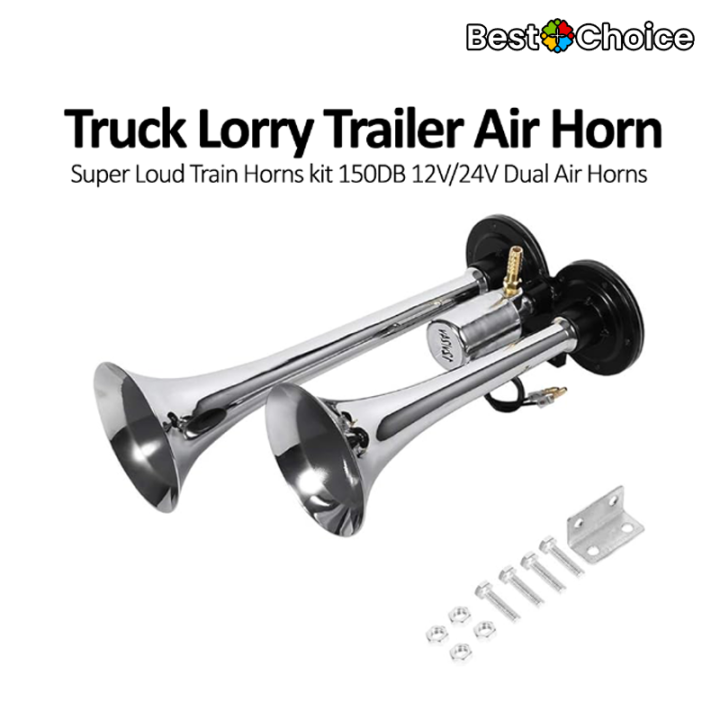
When one thinks of the ever-bustling world of logistics and transportation, the image of mighty lorries dominating the highways often comes to mind. These colossal vehicles are not only crucial for the movement of goods but also serve as a remarkable spectacle on our roads. Amid the roar of their engines, there’s a sound that frequently captures attention: the piercing blast of an air horn. This seemingly simple accessory is more than just a tool for signaling countless drivers. Instead, the air horn embodies a fascinating intersection of functionality, safety, and even a touch of psychological allure. Delving deeper into the significance of air horns for lorries unveils layers of complexity and a breadth of considerations that merit exploration.
1. The Functionality of Air Horns
At its core, an air horn serves as an auditory tool designed to alert surrounding drivers and pedestrians. The fundamental purpose is straightforward; however, its implications stretch far beyond mere notifications. Air horns possess a distinct penetrative quality, producing sound waves that can travel significant distances, effectively journeying across busy roads and tangled traffic. This trait becomes indispensable in urban areas where sheer volume can drown out a typical horn’s feeble warning. The resonant blare of an air horn can be particularly helpful in mitigating accidents, often serving as a cue for drivers to recalibrate their spatial awareness on the road.
2. Enhancements in Safety Protocols
Safety, particularly when navigating high-traffic environments, is paramount in transportation. The strategic use of air horns contributes directly to accident prevention. When operated efficiently, the powerful sound can alert inattentive drivers who may be momentarily distracted or unaware of their surroundings. Moreover, in scenarios that necessitate rapid action—such as a sudden lane-change—an air horn acts as a safeguard, breaching the ambient noise to command immediate attention. It is essential to understand that, while air horns are effective, their responsible usage is critical to ensure they do not transition from a safety tool into a source of annoyance.
3. Psychological Dimensions
Beyond their tangible benefits, air horns also harbor psychological implications that deserve consideration. The audacity of a deep, booming sound taps into our primal instincts, triggering heightened alertness in nearby listeners. This phenomenon underscores a social contract of vigilance among road users. It fosters a collective awareness and encourages accountability among drivers, urging them to maintain a heightened sense of caution. Furthermore, the sheer power of the sound can invoke feelings of authority and reliability, solidifying the lorry’s presence within the ecosystem of the road.
4. The Power of Customization
In a world where identity and branding play significant roles, lorry owners often exploit the customizability of air horns, turning a practical device into a symbol of individuality. Ranging from the conventional blasts to quirky tunes, the choice of horn can reflect personal style or brand personality, striking a chord with the cultural context surrounding transportation. These unique sounds create a sonic signature, enhancing the lorry’s presence and distinguishing it from competitors in the industry. This element introduces an intriguing facet of competition; the quest for an eye-catching and ear-catching identity that resonates with the audience.
5. Regulations and Compliance
While the advantages of air horns are undeniable, they exist within a framework of regulations necessitating attention. Varying jurisdictions impose specific statutes regarding permissible loudness and operational contexts to ensure that the right balance between safety and noise pollution is achieved. Understanding these legal stipulations is vital for lorry operators, as non-compliance could lead to hefty fines or repercussions that tarnish the reputation of a company. Therefore, lorry drivers must navigate the complexities of legislation while harnessing the benefits presented by air horns.
6. Maintenance and Durability Considerations
Integrating air horns into a lorry’s system is not solely about the initial installation; extensive maintenance is equally critical. Ensuring that the compressors are functioning optimally, the air tanks remain undamaged, and that the electrical connections are intact is necessary for consistent performance. Regular checks can prevent malfunctions at unforeseen moments, which could affect road safety. This highlights the importance of becoming acquainted with maintenance routines, further emphasizing the lorry operator’s responsibility towards safety and reliability.
7. Cultural References and Symbolism
Air horns have transcended their utilitarian purpose and become cultural icons reflective of freedom, power, and the open road. In various media portrayals—from films to music—air horns signal triumph and adventure, encapsulating the spirit of the journey. They serve as metaphors for breaking barriers and asserting dominance on the highways. Consequently, they resonate with the intrinsic human yearning for exploration and adventure, serving not just as a practical device but as a symbol of the human spirit.
Conclusion
The air horn for lorries is far more than a simple accessory; it is a multifaceted tool that ensures safety, represents individual identity, and captures the imagination of audiences across the globe. From enhancing auditory awareness to establishing an emblematic presence on the roads, air horns have evolved into a vital component of the driving experience. As the world of logistics continues to evolve, so too will the air horn, forever reminding us of the intricate relationship between technology, culture, and the perpetual journey down the highways of life.











Leave a Comment