In the grand tapestry of modern living, the comfort of our homes can often be snipped by the insidious threads of mold. Much like an unwelcome guest at a dinner party, it stealthily settles in, feasting on dampness and humidity. To combat this microbial marauder, a champion emerges in the form of HEPA vacuums—tools not merely designed for cleaning, but engineered for an assault on airborne contaminants, ensuring your abode remains a sanctuary of health and well-being.
What Is a HEPA Vacuum?
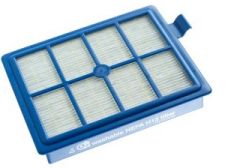
A HEPA vacuum is not just an ordinary cleaning device; it is the knight in shining armor wielding advanced filtration technology. HEPA stands for High-Efficiency Particulate Air, embodying a filtration standard capable of capturing 99.97% of particles as small as 0.3 microns. This translates to not just dust and dirt, but also pollen, pet dander, and, notably, the microscopic spores emitted by mold. When it comes to mold removal, a HEPA vacuum is a preeminent ally, siphoning away these minute yet potent adversaries.
The Science Behind HEPA Filtration
To comprehend the prowess of HEPA filtration, one must delve into its design. Imagine a labyrinth finely woven from glass fibers, each strand strategically placed to ensnare and capture a litany of pollutants. When air is drawn into the vacuum, particles collide with these fibers, succumbing to the whims of inertia, interception, and diffusion. This triad of mechanisms function in perfect harmony, ensuring that not a single hazardous particle escapes. Such intricate engineering renders the HEPA vacuum not just a cleaning device, but a guardian of the air we breathe.
Why Mold Removal Is Crucial
The perils of mold infestation extend beyond mere aesthetics; they intertwine with health implications. Mold can trigger allergies, provoke respiratory ailments, and even facilitate chronic sinusitis. It thrives in damp, poorly ventilated spaces, making bathrooms and basements prime real estate for its growth. Consequently, mold is the unwelcome beast that loiters in corners, hidden but perilous. Understanding the importance of its eradication, one can appreciate the value of employing a HEPA vacuum—essentially a vacuum with a purpose, engineered to extinguish this lurking threat.
Choosing the Right HEPA Vacuum
When venturing into the realm of HEPA vacuums, one encounters a plethora of options. Each model presents its own unique attributes, akin to different swords in a knight’s arsenal. Considerations include:
- Type of Vacuum: Options range from upright models boasting extensive power to canister vacuums offering agility and versatility. Each has its merits depending on the areas targeted for mold removal.
- Filtration System: Ensure the model proudly bears the HEPA certification. Some may feature additional filters, like activated charcoal, which can further neutralize odors and enhance air quality.
- Capacity and Size: A vacuum with a larger capacity may be beneficial for extensive jobs, whereas a compact model might serve better for tighter spaces or quick clean-ups.
How to Effectively Use a HEPA Vacuum for Mold Removal
Utilizing a HEPA vacuum effectively is akin to orchestrating a masterful symphony. Precision and technique are paramount:
- Preparation: Before commencing, don protective gear, including gloves, goggles, and a respirator mask. This measures ensures you safeguard against inhalation of airborne spores.
- Clear the Area: Remove any furniture or objects within the vicinity of the mold. This not only creates a clear workspace but allows for thorough cleaning.
- Systematic Vacuuming: Begin vacuuming at the highest point, allowing gravity to assist in the removal of spores. Work your way down, ensuring to cover baseboards, corners, and any porous surfaces.
- Mind the Attachments: Utilize the appropriate attachments; crevice tools are excellent for reaching behind appliances, while brushrolls are better suited for carpets and upholstery.
- Post-Cleaning Care: After removing mold, empty the vacuum’s contents into a sealed bag, disposing of it in an outdoor waste bin. This minimizes the risk of recontamination.
Further Steps to Consider
While employing a HEPA vacuum facilitates a robust start in mold removal, additional follow-up steps can cement your efforts in creating a mold-free environment. Consider these strategies:
- Dehumidifiers: Employing a dehumidifier helps lower humidity levels, making it challenging for mold to establish itself post-removal.
- Regular Monitoring: Keep an eye on any recurrences, meticulously checking for leaks or dampness in potential problem areas, which can serve as a breeding ground for mold.
- Engage Professionals: For severe infestations, consulting with mold remediation specialists can deploy additional tactics and ensure the job is executed thoroughly.
Conclusion
The journey to a mold-free haven is laden with trials, yet armed with a HEPA vacuum, one is well-equipped to slay the lurking beast. This cleaning device transforms a mundane chore into an act of bravery, where every swipe of its nozzle becomes a victory over vileness. Embrace the intricacies of HEPA technology and step confidently into the fray. With diligence and the right tools, your home can remain the sanctuary it was always meant to be—a place of solace, health, and tranquility, free from the shadows of mold.











Leave a Comment