
Short Answer
Choosing the right anchor and rode is not about buying the heaviest gear you can afford; it is about matching a complete ground tackle system to your boat and the conditions you actually sail in. The anchor, chain, and line work together, and a failure in any one component can put the whole boat at risk. This guide explains how to select and size each element using an independent, systems-based approach.
Main Explanation
What it is
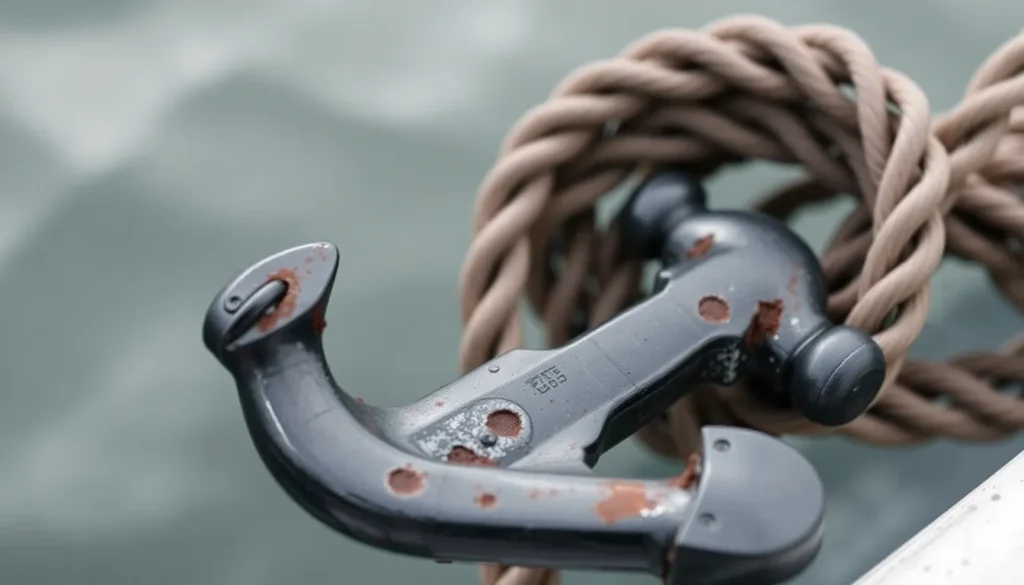
An anchor rode is the connection between the anchor and the boat. It may be all chain, all rope, or—most commonly for cruising boats—a combination of chain and nylon line. Choosing the right anchor and rode means specifying the anchor type and weight, the chain size and length, the rope diameter and material, and the connecting hardware as one integrated system. This is not a brand-specific recommendation; it is a reference framework that applies across manufacturers. According to West Marine, anchor rodes consist of a length of chain, rope, or a combination that connects an anchor to a boat, and the choice depends on depths and conditions you generally anchor in.
All-chain rodes offer superior abrasion resistance and add catenary weight that helps the anchor set and hold. Combination rodes use a shorter chain leader—typically 20 to 40 feet—followed by nylon three-strand or eight-plait line, which reduces weight and provides stretch to absorb shock loads. The right choice depends on boat size, windlass type, and stowage.
Why it matters
An undersized chain or mismatched rode can fail when you need it most. Practical Sailor warns that an undersized anchor chain can put your boat on the ‘rode’ to perdition, and MAURIPRO Sailing notes that ground tackle holds only as well as its weakest element. If the chain is too light, it may not provide enough catenary or abrasion resistance; if the line is too small, it can part under surge loads; if the shackle is undersized, it can deform or open. The stakes are not theoretical: a dragging anchor can lead to grounding, collision, or injury.
Sailors also face information overload. Manufacturer tables, forum advice, and outdated textbooks often conflict. A boat’s displacement and windage matter as much as length, and a generic ‘feet of boat = pounds of anchor’ rule can be dangerously wrong for a heavy cruiser or a high-freeboard powerboat. An independent reference helps you weigh these factors without being steered toward a particular product.
How it works
Selecting an anchor and rode follows a logical sequence. First, define the boat: length overall, loaded displacement, windage, and whether you have a windlass. Second, define the conditions: typical anchoring depths, bottom types (sand, mud, rock, weed), maximum expected wind, and whether you anchor overnight or in exposed anchorages. Third, choose an anchor type and size from the manufacturer’s table for your boat length and displacement. Fourth, choose the rode type—all-chain or combination—based on weight, windlass, and stowage. Fifth, size the chain and line. West Marine provides tables that match line and chain size to boat length, but these should be cross-checked with the windlass manufacturer’s gypsy specifications. Imtra emphasizes that the rode must be compatible with the windlass, especially for boats 30 to 40 feet with a powered windlass.
In practice, this means treating the anchor, rode, and windlass as one system. A chain that is too large for the gypsy will jam; a line that is too stiff will not feed properly; a shackle that is too small will become the weak point. The goal is balanced strength from anchor shank to bow cleat.
How to do it
Here is a practical walkthrough for a typical coastal passage on a 30-foot, 8,800-pound loaded sailboat, based on the example in Practical Sailor. First, record the boat’s loaded displacement and length. Second, determine the maximum depth you expect to anchor in—say 40 feet—and the bottom type. Third, select an anchor rated for your boat length and displacement; for this boat, a modern scoop-type anchor in the 15–20 kg range is common, but always check the manufacturer’s table. Fourth, choose a chain size. Practical Sailor’s example uses 8 mm (5/16 inch) galvanized chain for a 30-foot, 8,800-pound yacht. Fifth, choose a nylon line diameter: 16 mm (5/8 inch) eight-plait nylon is appropriate for that boat. Sixth, select shackles rated at least as strong as the chain—10 mm shackles in the example. Seventh, calculate total rode length. For 40-foot depths with a 5:1 scope, you need 200 feet of rode; for 7:1 in storm conditions, 280 feet. A combination rode might use 30 feet of chain plus 250 feet of nylon. Finally, verify that the chain size matches your windlass gypsy and that the line diameter fits the rope capstan or drum.
This sequence works for any boat size, but the numbers change. A 40-foot, 20,000-pound cruiser will need larger chain—often 3/8 inch or 10 mm—and a correspondingly larger anchor and line. Always start with the manufacturer’s published tables, then adjust for your boat’s actual displacement and windage.
When not to do it
Generic selection guides, including this one, are not a substitute for professional advice in every situation. If you have an unusual boat—a multihull with high windage, a heavy displacement motorsailer, or a vessel with a custom bow roller—consult a naval architect or a rigger who can assess the specific loads. If you are planning high-latitude or extreme-weather cruising, a professional rigger or an experienced cruiser with local knowledge can help you choose gear that exceeds standard recommendations. Similarly, if you are new to anchoring, a hands-on course with a certified sailing school is more valuable than any written guide. Finally, do not rely solely on digital tools or reference platforms for real-time decisions: weather, tide, and bottom conditions change, and you must verify them with official sources before anchoring.
Visual
The table below compares common sources of anchor and rode selection information. Use it to understand where an independent reference fits among manufacturer manuals, textbooks, courses, and forums.
| Source | Strengths | Limitations | Best For |
|---|---|---|---|
| Manufacturer manuals | Specific to product; tested load ratings; windlass compatibility | Brand-specific; may not compare alternatives; can be optimistic | Confirming exact sizes and gypsy fit |
| Traditional textbooks | Comprehensive theory; time-tested principles | May be outdated; not interactive; no real-world updates | Learning fundamentals of anchoring |
| Sailing school courses | Hands-on practice; instructor feedback; safety drills | Cost and time; limited to course boats and conditions | Building practical anchoring skills |
| Online forums | Real-world experience; many boat types; quick answers | Conflicting advice; no quality control; anecdotal | Gathering opinions and lessons learned |
| Independent digital platforms | Systems-based; cross-manufacturer; updated; decision tools | Requires user to verify with official sources; not a substitute for training | Structured selection and passage planning |
Common Mistakes
Treating the anchor and rode as separate purchases
Many sailors buy an anchor based on a sale price and then add whatever chain is available. The consequence is a mismatched system where the shackle, chain, or line becomes the weak point. The correct approach is to size all components together so that each has a working load at least equal to the anchor’s holding power.
Undersizing chain to save weight or cost
Lighter chain reduces weight in the bow and costs less, but it also reduces catenary, abrasion resistance, and shock absorption. In a blow, a too-light chain can lift off the bottom and transfer snatch loads directly to the anchor, causing it to break out. Use the manufacturer’s minimum chain size for your boat and consider going one size up if you anchor in rock or coral.
Ignoring windlass compatibility
A chain that does not match the windlass gypsy will slip, jam, or damage the windlass. Always check the gypsy’s marked chain size—often stamped on the wheel—and match it exactly. If you change chain size, you may need to change the gypsy.
Using a generic boat-length table without checking displacement and windage
A 35-foot lightweight racer and a 35-foot full-keel cruiser have very different anchoring loads. Tables based on length alone can under-size gear for heavy or high-windage boats. Always use loaded displacement and windage, and cross-check with the anchor manufacturer’s table.
Forgetting the snubber on an all-chain rode
All-chain rodes have no stretch, so shock loads from waves and gusts go directly to the anchor and deck hardware. A nylon snubber—typically 20 to 30 feet of line attached to the chain with a rolling hitch or chain hook—absorbs these loads and reduces the risk of dragging or breaking. Many sailors omit it, especially on boats with a windlass, and then wonder why the anchor trips in a squall.
Safety Note
Anchor and rode selection is only one part of a safe anchoring system. Before relying on any gear, inspect the chain for wear, corrosion, and cracked links; check shackles for deformation and proper mousing; and test the windlass under load. Always cross-check weather forecasts, tide tables, and bottom conditions with official sources—such as the national weather service, coast guard, or local harbor authority—before anchoring. Never use a phone or tablet as your only navigation or anchoring tool; keep paper charts and a handheld VHF as backups. Take a certified safety and seamanship course that includes anchoring drills, and follow the International Regulations for Preventing Collisions at Sea (COLREGS) and local maritime regulations, including anchor light and day shape requirements. Digital references and selection guides complement, but never replace, proper training, physical checks, and human judgment.
FAQ
What is the difference between an all-chain rode and a combination rode?
An all-chain rode uses chain from anchor to boat, providing maximum abrasion resistance and catenary weight that helps the anchor set and hold. A combination rode uses a shorter chain leader—typically 20 to 40 feet—followed by nylon line, which reduces weight and adds stretch to absorb shock loads. All-chain is common on larger cruising boats with windlasses; combination is popular on smaller boats and where weight matters.
How do I determine the right anchor size for my boat?
Start with the anchor manufacturer's sizing table, which is usually based on boat length and displacement. Then adjust for your boat's windage and typical anchoring conditions. A heavy displacement or high-freeboard boat may need one size larger than a lightweight boat of the same length. Always cross-check with the windlass and bow roller specifications.
How much chain should I use in a combination rode?
A common rule is a chain leader equal to at least one boat length, but many cruisers use 20 to 40 feet regardless of boat size. The chain's job is to provide abrasion resistance on the bottom and add some catenary. In rocky or coral anchorages, a longer chain leader is advisable. For overnight anchoring in exposed conditions, consider an all-chain rode or a longer chain section.
How often should I inspect my anchor rode and chain?
Inspect the chain and line before every extended cruise and at least annually. Look for cracked or deformed links, excessive wear, corrosion, and frayed or stiff line. Check shackles for deformation and ensure they are properly moused. Replace any component that shows significant wear or damage.


Leave a Reply