
Short Answer
Mooring and docking are two fundamental ways to secure a boat, but they involve different equipment, techniques, and risks. Mooring means attaching a vessel to a permanent anchor and buoy system offshore, while docking means tying up alongside a pier, quay, or floating dock connected to shore. This guide, part of an independent sailing reference and tools platform, explains the differences, how to perform each correctly, and how to decide which method suits your boat, conditions, and plans.
Main Explanation
What it is
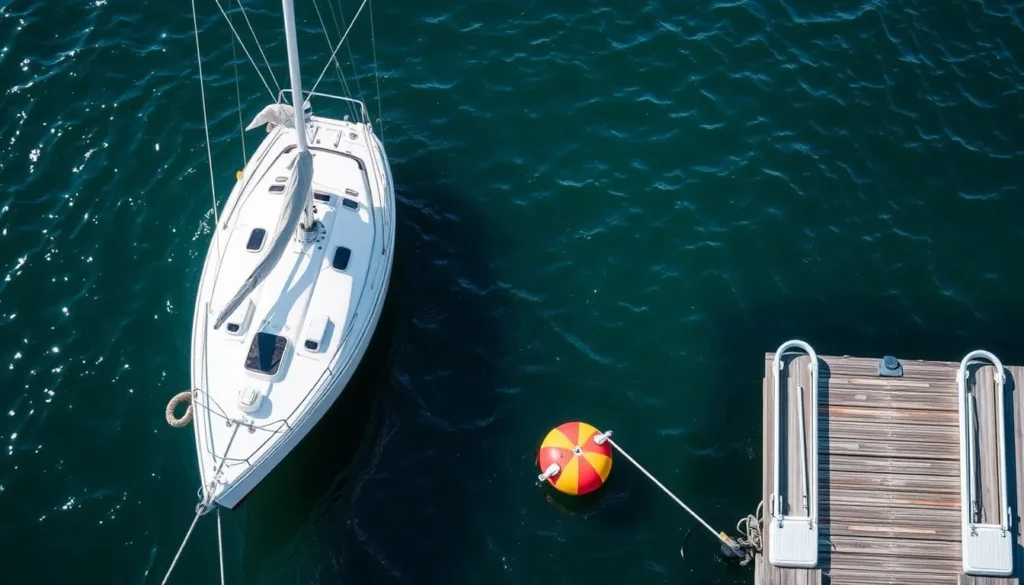
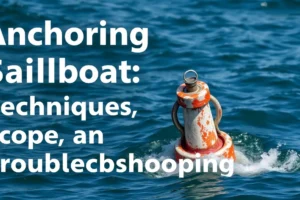
Mooring secures a boat to a fixed object like a buoy or anchor system offshore. A typical mooring system includes a permanent anchor on the seabed, a chain or rope rode, and a floating buoy. The boat attaches to the buoy or its pennant, staying in place without contacting a dock. Docking, by contrast, involves tying a boat to a structure such as a pier, quay, or floating dock attached to shore. Docking uses dock lines, fenders, and cleats to hold the vessel alongside a fixed or floating structure.
In the context of this independent sailing reference and tools platform, Mooring vs Docking: What’s the Difference and How to Do Each is not tied to a specific boat brand, sailing school, or equipment manufacturer. Its core purpose is to give recreational sailors clear, unbiased information about the two methods, the equipment each requires, and the decision factors that determine which is safer and more practical for a given situation.
Why it matters
Choosing between mooring and docking affects safety, cost, convenience, and the protection of your boat. Docking gives easy access to shore power, water, and loading, which is ideal for daily use or short stops. Mooring is often better for long-term storage or protecting a boat during storm season because it keeps the vessel away from hard structures and allows it to swing with wind and current. The wrong choice can lead to chafed lines, hull damage, or a boat breaking free.
Sailors face real challenges when learning these skills: information overload from conflicting online advice, outdated textbooks, and generic checklists that do not account for a specific boat’s size, displacement, or handling characteristics. Poor decisions at sea or in a marina have immediate consequences—collisions, injuries, and equipment failure. A reliable, independent reference platform helps cut through the noise by presenting consistent, practical guidance based on established seamanship principles.
How it works
The platform structures its mooring and docking content around four key areas. First, boat knowledge and reference: clear definitions of mooring, docking, anchoring, and berthing, along with the parts of a mooring system (anchor, rode, buoy) and docking hardware (cleats, fenders, spring lines). Second, seamanship education: step-by-step techniques for approaching a mooring buoy, picking up a pennant, securing lines, and departing safely; for docking, it covers approach angles, use of spring lines, and handling wind and current. Third, passage planning tools: guidance on evaluating destination facilities, checking tide and weather, and deciding whether to moor or dock based on duration, crew skill, and boat size. Fourth, decision-support features: comparison tables, checklists, and scenario-based advice that help a sailor weigh cost, access, and risk before committing to a method.
In practice, a sailor can use these tools to look up a definition, compare mooring and docking for a planned stop, follow a checklist to prepare lines and fenders, and review common mistakes before making an approach.
How to do it
Consider a typical coastal passage ending at an unfamiliar harbor. Start by assessing the destination: does it have a designated mooring field, a marina with slips, or both? Check the latest weather forecast, tide tables, and current predictions from official sources. Decide whether you need shore access for provisions, fuel, or crew changes; if not, a mooring may be cheaper and simpler. Prepare equipment accordingly: for mooring, have a boat hook, mooring pennant or line, and chafe protection ready; for docking, rig fenders and dock lines on the correct side, and brief the crew on their roles.
For a mooring approach, motor slowly into the wind or current toward the buoy, stop with the buoy alongside the bow, pick up the pennant with a boat hook, and secure it to a strong cleat. Check that the line runs fair and is protected from chafe. For docking, approach at a controlled angle, use bursts of throttle to maintain steerage, and get a spring line on first to control fore-and-aft movement. Once secured, adjust lines for expected tide range and recheck all attachments before leaving the boat.
When not to do it
This reference platform is not a substitute for professional training, a human weather router, or a certified marine surveyor. If you are new to boat handling, take a hands-on course with an instructor before attempting difficult mooring or docking in tight quarters. In severe weather or strong current, real-time local knowledge from harbor staff or a professional router is more reliable than any static guide. If you are evaluating a permanent mooring system for your own boat, have a qualified surveyor inspect the anchor, chain, and buoy—do not rely solely on written descriptions. Finally, never use a digital reference as your only source of navigation or weather data; always cross-check with official charts, tide tables, and marine forecasts.
Visual
| Source | Strengths | Limitations | Best For |
|---|---|---|---|
| Independent sailing reference platform (this guide) | Unbiased, structured, practical; covers definitions, techniques, and decision factors | Cannot replace hands-on practice or real-time local knowledge | Recreational sailors planning a passage or learning seamanship |
| Traditional textbooks | Comprehensive, time-tested seamanship principles | Can be outdated; not interactive; may not address modern equipment | Building foundational knowledge |
| Manufacturer manuals | Specific to your boat’s hardware and systems | Narrow focus; no broader seamanship context | Understanding your own boat’s fittings |
| Sailing school courses | Hands-on instruction, immediate feedback, certification | Costly, time-limited, may not cover all scenarios | Beginners and those needing supervised practice |
| Online forums | Real-world experience, diverse opinions | Conflicting advice, no quality control, can be misleading | Supplementing other sources with caution |
| Other digital platforms | Convenient, often include videos and interactive tools | Variable accuracy; may be promotional or brand-biased | Quick reference when verified against official sources |
Common Mistakes
Confusing mooring with anchoring
Many sailors use the terms interchangeably, but anchoring involves dropping your own anchor from the boat, while mooring attaches to a permanent, pre-installed system. The consequence is using the wrong equipment or technique—for example, trying to pick up a mooring buoy as if it were your own anchor. The correct approach is to recognize that a mooring buoy is already connected to the seabed; you only need to secure your boat to the buoy or its pennant, not deploy your own ground tackle.
Using the wrong lines or hardware
Dock lines and mooring lines have different requirements. A mooring pennant must withstand constant movement and chafe, often requiring a thimble and chafe guard. Using a lightweight dock line on a mooring can lead to chafe and failure. The consequence is a parted line and a drifting boat. Always match line size and type to the load and exposure, and inspect for wear before each use.
Ignoring tide and current when docking
Approaching a dock without accounting for tidal stream or wind can result in a hard landing or a missed approach. The consequence is hull damage, injured crew, or embarrassment. The correct approach is to assess wind and current before entering the marina, plan your angle and speed accordingly, and use spring lines to control the boat once alongside.
Over-relying on a single source or app
No single guide, app, or forum post covers every situation. Relying on one source can leave you unprepared for local conditions or your boat’s specific handling quirks. The consequence is poor decision-making under pressure. Cross-check critical information—weather, tides, harbor regulations—with official sources, and combine digital references with hands-on practice.
Failing to adapt checklists to your specific boat
Generic checklists are useful, but a 22-foot trailer sailer behaves very differently from a 40-foot cruising yacht. Using a one-size-fits-all checklist can lead to inadequate fender placement, insufficient line size, or wrong approach angles. The consequence is avoidable damage. Adapt every checklist to your boat’s length, displacement, freeboard, and propulsion, and rehearse the steps with your crew.
Not re-checking weather after planning
Weather and sea state can change between planning and arrival. A plan made in the morning may be unsafe by afternoon. The consequence is being caught in conditions beyond your skill or equipment. Always update the forecast before committing to a mooring or docking approach, and have a bail-out plan if conditions deteriorate.
Safety Note
Digital reference platforms like this one complement—never replace—proper training, physical checks, and human judgment. Before relying on any guide, take a certified safety and boat-handling course from a recognized sailing school or national federation. Always cross-check critical data such as weather, tides, and navigation with official sources: national weather services, coast guard broadcasts, and up-to-date charts. Never use a tablet or phone as your only navigation tool; keep paper charts and a handheld compass as backups. Follow the International Regulations for Preventing Collisions at Sea (COLREGS) and all local maritime regulations. When in doubt, slow down, reassess, and do not be afraid to abort an approach and try again. The sea rewards prudence, not bravado.
FAQ
Is mooring cheaper than docking?
Generally yes. Mooring often costs less than renting a marina slip because you are not paying for dock infrastructure, shore power, or water. However, you may need a dinghy to reach shore, and you are responsible for maintaining your mooring pennant and gear.
Can I dock a sailboat without bow thrusters?
Yes. Most sailboats are docked without bow thrusters by using prop walk, rudder, and spring lines. The key is to approach slowly, use bursts of throttle to maintain steerage, and get a spring line on first to control the boat. Practice in calm conditions before attempting tight slips.
What is the difference between mooring and anchoring?
Mooring attaches your boat to a permanent, pre-installed anchor and buoy system that belongs to a harbor or private owner. Anchoring means deploying your own anchor and rode from the boat. Mooring is generally more secure and requires less scope, but you must use the existing system correctly.
How do I pick up a mooring buoy single-handed?
Approach the buoy slowly into the wind or current, stopping with the buoy alongside the bow. Use a boat hook to grab the mooring pennant or buoy ring, then lead the pennant to a strong bow cleat. If conditions are rough, consider rigging a temporary line from amidships to control the boat before moving to the bow.




Leave a Reply