Many individuals find themselves at a curious crossroads when they approach the topic of wisdom teeth removal: does the prospect of this dental procedure instill fear or anticipation? A common question lingers: “Does wisdom teeth removal hurt?” In a world where dental anxiety runs rampant, understanding the intricacies of this procedure can be both enlightening and somewhat daunting. Armed with knowledge, individuals can make informed decisions, mitigating potential anxiety.
To navigate the landscape of wisdom teeth removal, we must first explore the anatomy and purpose of these enigmatic molars. Wisdom teeth, or third molars, generally emerge between the ages of 17 and 25. For many, these teeth can lead to a myriad of complications, from impaction to misalignment, often necessitating their extraction. Yet, few pause to ponder: when it comes right down to it, what can one genuinely expect in terms of discomfort during and after the procedure?
Understanding the Procedure
Before delving into the experience of pain, it is essential to grasp what the extraction entails. The procedure typically unfolds in several distinct stages, each contributing to the overall experience.
- Consultation and Examination: This initial phase involves a thorough evaluation by your dentist or oral surgeon. They may utilize X-rays to assess the positioning of the wisdom teeth and determine the necessity of removal.
- Anesthesia Options: Patients can choose between local anesthesia, sedation, or general anesthesia based on comfort and the complexity of the extraction. This choice plays a pivotal role in mitigating pain during the actual procedure.
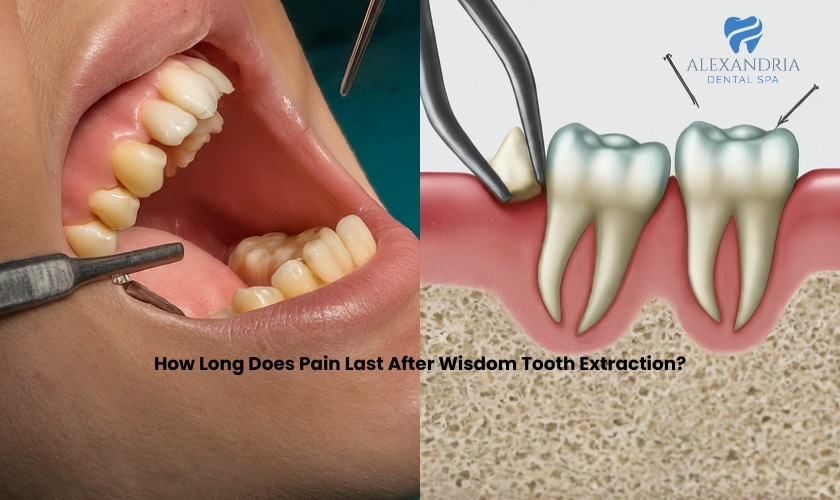
- The Extraction Process: During the removal, tiny surgical instruments may be employed to extract the teeth, which may be impacted or fully erupted. This stage is where the method of anesthesia most directly influences the pain experience.
Does the Actual Procedure Hurt?
With a grasp of the procedure’s framework, the question of pain can be more clearly addressed. Most patients report minimal discomfort during the extraction, especially if sedation is used. A local anesthetic numbs the area, effectively dulling sensations. Nevertheless, patients may feel pressure rather than pain as the teeth are extracted. Think of it as the sensation of a wave rolling over a sandy beach—forceful yet not utterly distressing.
However, pain perception varies from person to person. Individual pain threshold, anxiety levels, and overall health can significantly influence one’s experience. Hence, while many may emerge from the procedure with naught but numb cheeks and a sense of relief, others may report more pronounced sensations.
Post-Operative Pain: What to Expect
As the anesthesia wanes, the spectrum of discomfort often dances into the spotlight. Post-operative pain tends to stem from the healing process, as the extraction sites may become inflamed. Patients frequently question, “How intense is this pain, really?”
- Immediate Discomfort: Within the first 24 hours, individuals can expect varying degrees of swelling and soreness. This initial period might be the most challenging as the body begins its healing journey.
- Managing Pain: Over-the-counter pain relievers are commonly recommended to manage post-operative discomfort. Furthermore, applying ice to the cheeks can aid in minimizing swelling.
- Duration of Pain: Most people experience significant improvement within three to five days, although some may encounter lingering discomfort for a week or more. This timeline is influenced by the complexity of the extraction and individual anatomy.
Potential Challenges and Complications
Although many navigate the post-operative waters with relative ease, potential challenges can arise. Dry socket, an unsettling phenomenon, occurs when the blood clot at the extraction site dislodges, exposing the bone beneath. This condition can lead to excruciating pain, often described as radiating from the jaw. Regular follow-ups to monitor healing and promote effective aftercare can curtail the risk of such complications.
Moreover, it’s critical to consider that some patients may also experience infections, jaw stiffness, or abnormal swelling. Each of these potential scenarios adds layers to the recovery experience, and being informed empowers individuals to best prepare for what lies ahead.
Psychological Aspects of Pain Perception
The psychological component of anticipated pain cannot be overlooked. Dental anxiety can amplify perceptions of discomfort, often creating a cycle of fear that can be counterproductive. Employing relaxation techniques, such as deep breathing exercises or visualization, can play a beneficial role in mitigating anxiety before and during the procedure.
Additionally, understanding triggers of anxiety can guide patients toward proactive measures, optimizing their experience. Communicating concerns with dental professionals can also be invaluable, as many are well-versed in accommodating anxious patients.
Conclusion: Navigating the Wisdom of Teeth Removal
In contemplating the question, “Does wisdom teeth removal hurt?” it becomes evident that the answer is multifaceted. Experiences range from barely noticeable unease to more pronounced discomfort, dictated by the individual’s unique context. While the procedure itself is typically well-tolerated, post-operative sensitivity can vary widely. Preparedness, effective communication with dental professionals, and understanding the potential challenges can significantly enhance the experience.
Ultimately, while the journey through wisdom teeth removal can present its share of hurdles, knowledge equips individuals with the tools they need to navigate this ubiquitous rite of passage. After all, with wisdom comes the ability to face greater challenges with poise and confidence—whether tackling the complexities of dental procedures or embarking on new adventures in life.










Leave a Comment