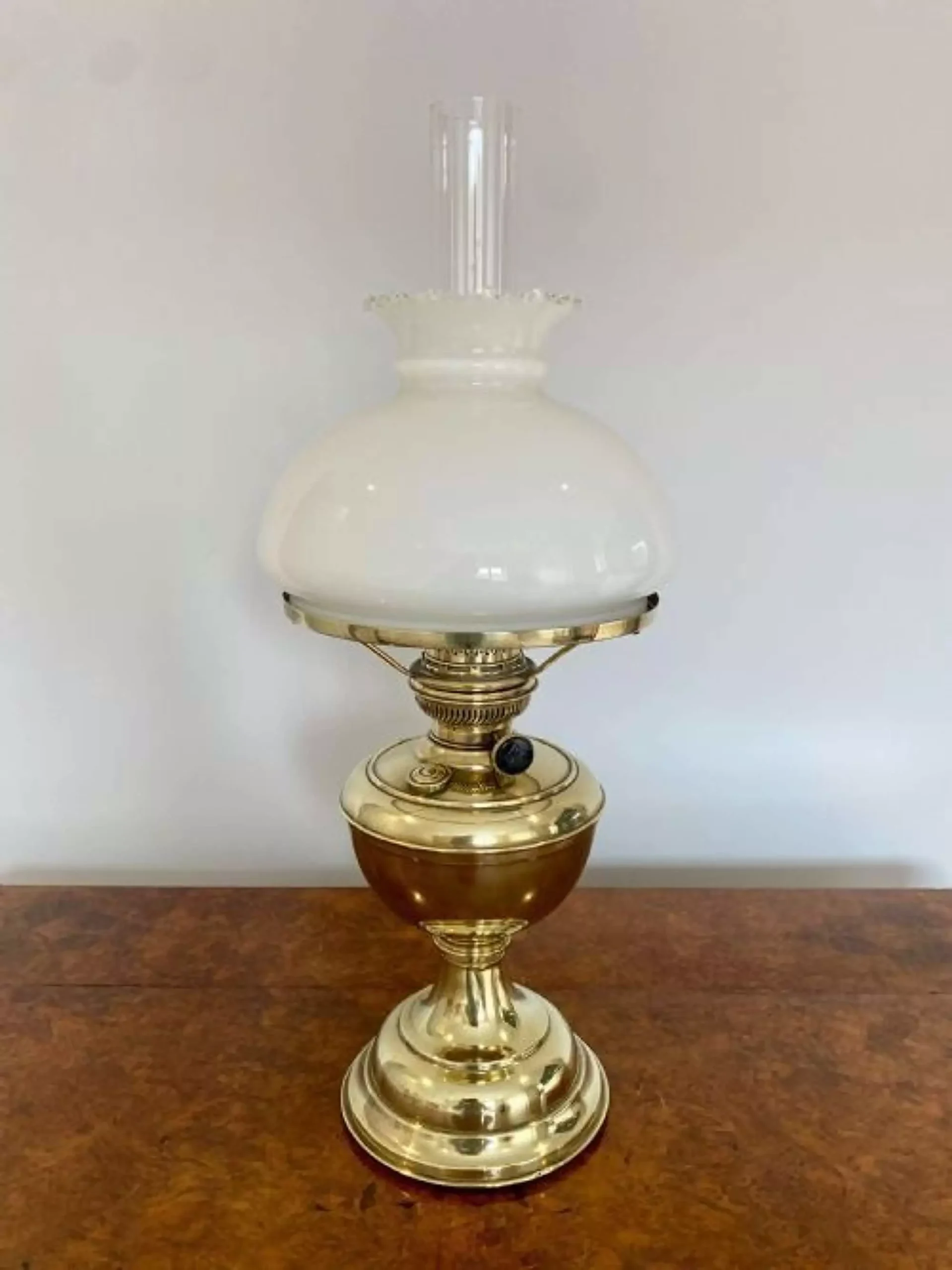
Antique oil lamps, with their intricate designs and historical significance, serve as captivating reminders of a time when they illuminated homes and streets alike. As objects of fascination, they not only tell a story of human ingenuity and adaptation but also highlight the curious relationship we have with light and its sources. Despite their bygone utility, the allure of antique oil lamps is persistent, particularly concerning the oil that fuels them. This article delves into the fascinating world of antique oil lamp oil, exploring its historical context, the types suitable for use, the nuances of preservation, and the deeper reasons behind our enduring fascination with these artifacts.
To comprehend the significance of antique oil lamp oil, one must first appreciate the essential role these lamps played in the 19th and early 20th centuries. Before the advent of electricity, oil lamps were quintessential sources of light, illuminating homes, workplaces, and public spaces. Their elegant designs, often crafted from brass, glass, or ceramic, transformed mere utilitarian objects into exquisite decorative pieces. However, the oil within these lamps was crucial; it was their lifeblood, allowing them to perform their primary function—casting light to dispel the dark.
Historically, a variety of oils has been used in antique lamps, each possessing distinct characteristics. In the earliest forms of oil lamps, animal fats, and plant-based oils, such as olive oil, were prevalent. These were eventually supplanted by more efficient materials such as kerosene, which emerged in the mid-19th century. Kerosene, derived from petroleum, became the standard fuel due to its affordability and higher luminosity. This transition not only revolutionized lighting but also transformed the economy, as it fueled new industries and changed nocturnal activities in society.
When considering the types of oil suitable for antique lamps, one must tread cautiously. The integrity and condition of an antique lamp dictate the appropriateness of the oil used. While some enthusiasts prefer traditional fuels like kerosene or specific lamp oils, others delight in exploring alternatives. For instance, refined paraffin oil is often recommended for maintaining the longevity of the lamp without the odor or soot associated with kerosene. Additionally, some contemporary manufacturers produce lamp oils that mimic historical formulations, allowing collectors to experience a semblance of authenticity without compromising the lamp’s integrity.
Emphasizing proper maintenance and preservation is essential for any antique lamp collector. Understanding the oil’s properties is crucial, as improper use can lead to degradation of the lamp and even present safety hazards. Regular cleaning of the font, wick, and chimney is vital. Dust accumulation can affect the lamp’s light output and potentially become a fire risk. Furthermore, adhering to the manufacturer’s guidelines regarding oil types and wick management can significantly extend the lifespan of these delicate artifacts.
Beyond the practicalities of antique oil lamp oils lies a fascination rooted in connection and nostalgia. The gentle flicker of an oil lamp embodies warmth and intimacy, evoking imagery of long-forgotten evenings spent in dimly lit parlors or beneath starlit skies. This romantic notion of a simpler life resonates with many, prompting a desire to incorporate such elements into modern living. Antique oil lamps serve not merely as decorative items but as conduits of memory, connecting users to previous generations who relied on their glow.
Another layer of enchantment lies in the craftsmanship of the lamps themselves. Each antique lamp represents a confluence of artistry and engineering. The materials, techniques, and designs varying across eras and cultures imbue each piece with uniqueness. Collecting and using these lamps offer enthusiasts a way to trace historical movements, cultural shifts, and technological advancements through their respective designs. This artistry demands an appreciation that extends beyond mere functionality, turning an oil lamp into a collectible work of art.
Moreover, the act of lighting an oil lamp evokes a myriad of sensory experiences. The soft light casts shadows that dance across the room, creating a soothing ambiance while also igniting one’s imagination. The subtle scent of the burning oil can transport one back to bygone days, serving as a reminder of history. Engaging with antique oil lamps engages not just the visual sense but envelops one in a multi-sensory experience that invites reflection and reverie.
Another important aspect is the environmental consciousness surrounding the use of oil lamps. In today’s fast-paced world, where artificial light dominates, there is a growing curiosity about sustainable and alternative lighting sources. Utilizing oil lamps with natural oils can provide a greener approach to lighting, resonating with contemporary values that emphasize sustainability and mindfulness. This connection creates a tangible link between the past and present, fostering a deeper appreciation for the technology of light throughout history.
Ultimately, the allure of antique oil lamp oil is deeply entwined with human experience—straddling the delicate line between nostalgia and utility. The intertwined stories of craftsmanship, atmospheric enchantment, and historical significance contribute to their enduring fascination. Embracing these antique artifacts allows contemporary individuals to not merely observe history but to participate in it, basking in the soft glow of a lamp that once held its own place in the chronicles of human experience.









Leave a Comment