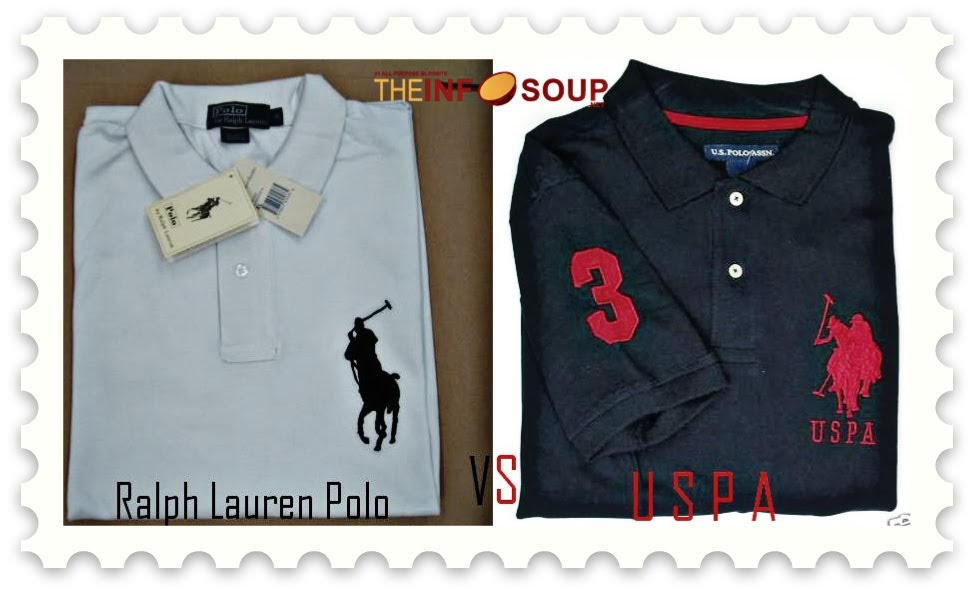
In the realm of fashion, two brands often emerge in discussions among enthusiasts and casual consumers alike: Ralph Lauren and Polo Assn. At first glance, they may seem similar, but a closer inspection reveals distinct differences in ethos, aesthetics, and audience. This article aims to illuminate the nuances separating Ralph Lauren from Polo Assn, offering insights into each brand’s unique offerings and the experiences they provide to consumers.
1. Brand Origins
Ralph Lauren, established in 1967, began as a modest line of ties created by an ambitious young designer named Ralph Lauren. Over the years, it morphed into a multifaceted fashion empire. This brand epitomizes classic American style, drawing inspiration from the opulence of elite social classes and Ivy League culture. In contrast, Polo Assn, established in 2009 by the United States Polo Association (USPA), took a distinct trajectory. It arose as a more accessible line, focused on promoting the sport of polo and enhancing its visibility among everyday consumers.
2. Target Audience
The intended audience for Ralph Lauren is predominantly affluent individuals who value luxury and timeless fashion. Its products are tailored for those seeking sophistication and prestige. The brand successfully marries tradition with modernity, appealing to a clientele that appreciates refined aesthetics. Polo Assn, however, has carved a niche among a more diverse demographic. While it retains references to the sport of polo, it aims to be budget-friendly, attracting a younger, more casual crowd. This brand democratizes polo-associated apparel, bridging the gap between sport and everyday style.
3. Product Range
Ralph Lauren encompasses a vast array of products, from haute couture to home furnishings. With lines such as Polo Ralph Lauren, Ralph Lauren Collection, and Lauren by Ralph Lauren, consumers can choose options that suit their tastes—whether it’s high-end formal wear or more casual attire. Polo Assn, on the other hand, specializes predominantly in casual wear. The brand’s offerings include polo shirts, sweatshirts, and athletic gear, ensuring practicality and comfort, without the extravagant embellishments that characterize luxury brands.
4. Design Philosophy
Ralph Lauren’s design ethos often reflects an aspirational lifestyle, with an emphasis on craftsmanship, artistic detailing, and an innate understanding of color dynamics. The aesthetic draws from a mélange of influences, including classic Americana, vintage sportswear, and even Western motifs. Polo Assn’s design philosophy is far more utilitarian and contemporary, focusing on vibrant colors and bold designs that resonate with a younger audience. While Ralph Lauren may evoke a sense of nostalgia, Polo Assn champions a more exuberant, current vibe.
5. Quality and Craftsmanship
When discussing quality, Ralph Lauren has long been venerated for its dedication to fine craftsmanship. Often featuring luxurious materials such as cashmere, silk, and premium cotton, the brand prioritizes longevity over fleeting trends. Its meticulous attention to detail can be observed in stitching, fabric choices, and overall construction. Conversely, Polo Assn prides itself on delivering affordable apparel with a focus on function. While the quality may not rival that of Ralph Lauren, it provides value for money and usability, appealing to consumers looking for day-to-day wear without breaking the bank.
6. Brand Perception and Marketing
Ralph Lauren is perceived as an icon of Americana, with its advertising campaigns featuring celebrities, models, and athletes that embody its brand ethos. Often characterized by a sense of aspiration and sophistication, Ralph Lauren seeks to convey a lifestyle that resonates on deeper emotional levels. Polo Assn employs a different marketing strategy. Its campaigns tend to feature relatable people, emphasizing fun, sport, and lifestyle rather than an aspirational fantasy. This approach allows Polo Assn to engage comfortably with its audience, generating a sense of accessibility without pretension.
7. Price Point and Accessibility
Pricing is another critical area where Ralph Lauren and Polo Assn diverge. Ralph Lauren products are often positioned in the mid to high price range, meant to reflect the luxury associated with the brand. Consumers are prepared to invest significantly, with the understanding that they are purchasing both a product and a status symbol. Polo Assn, in stark contrast, ensures affordability as a hallmark of its identity, catering to budget-conscious shoppers without sacrificing style. Its pricing structure is designed to appeal to a large array of customers, enhancing its market reach.
8. Sustainability Efforts
In recent years, sustainability has become a prominent concern in fashion. Ralph Lauren has initiated several sustainable practices, focusing on environmentally friendly materials and responsible manufacturing methods. The brand’s commitment to reducing its environmental footprint exemplifies a progressive shift within luxury markets. Polo Assn is also making strides, albeit at a slower pace. While it champions affordability, further exploration into sustainable practices remains essential for its long-term growth and relevance in a conscious consumer culture.
Conclusion
In summary, while Ralph Lauren and Polo Assn share a historical connection through the sport of polo, they stand as distinctive entities within the fashion landscape. Their contrasting philosophies pertaining to audience, design, and price points create unique consumption experiences. Ralph Lauren embodies the luxury and sophistication of classic American fashion, while Polo Assn exudes accessibility and youthful exuberance. Ultimately, both brands offer valuable contributions to the realm of style, catering to varying consumer preferences and tastes.









Leave a Comment