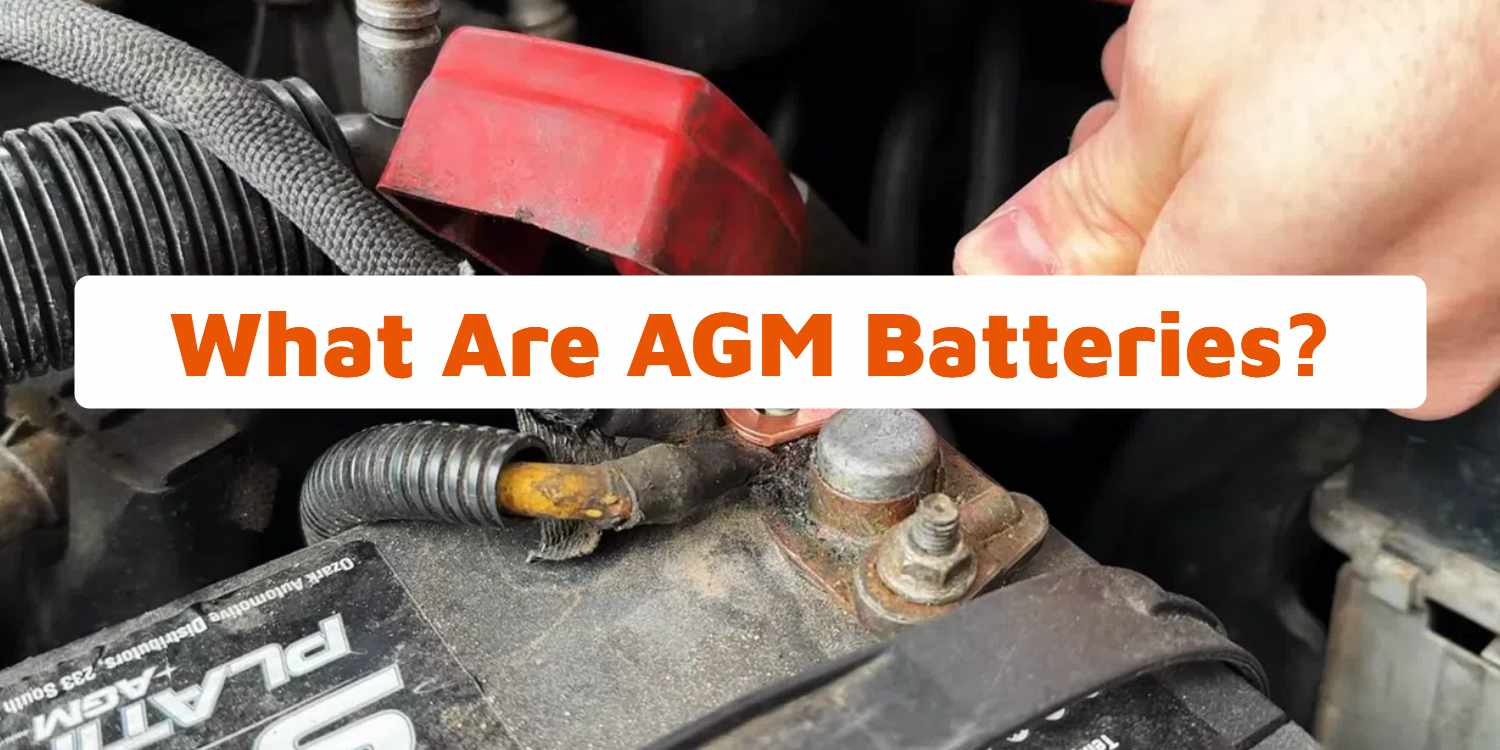
When it comes to energy storage solutions, Absorbed Glass Mat (AGM) deep cycle batteries have carved out a niche for themselves due to their exceptional versatility, durability, and efficiency. These batteries are increasingly popular in various applications, from renewable energy systems to marine and recreational vehicles. This comprehensive guide offers a nuanced exploration of AGM deep cycle batteries, delving into their construction, advantages, limitations, and applications.
Understanding AGM Technology
Absorbed Glass Mat technology is predominantly characterized by the use of fiberglass mats soaked in electrolyte, allowing for efficient absorption and retention. This design not only minimizes spillage but also enhances vibration resistance, making AGM batteries suitable for robust environments. The construction typically consists of lead-acid chemistry, whereby lead dioxide serves as the positive plate, sponge lead as the negative plate, and a mixture of sulfuric acid and distilled water act as the electrolyte.
Types of AGM Deep Cycle Batteries
AGM deep cycle batteries manifest in various configurations, which cater to different energy needs and contexts. The most common types include:
- Single Cell AGM Batteries: These are often utilized in applications where minimal voltage drops with substantial capacity are required, ideal for small systems.
- Dual Purpose AGM Batteries: These versatile batteries combine starting and deep cycling features, making them suitable for applications such as RVs and boats.
- Deep Cycle AGM Batteries: Specifically designed for prolonged discharges, these batteries are advantageous for off-grid settings, solar energy systems, and electric vehicles.
Advantages of AGM Deep Cycle Batteries
AGM deep cycle batteries come with an array of commendable benefits:
- Maintenance-Free: Thanks to their sealed design, AGM batteries require minimal maintenance, eliminating the need for regular electrolyte checks and water refills.
- Vibration Resistance: The rugged construction of AGM batteries makes them less susceptible to damage from vibrations, a crucial advantage in mobile applications.
- Low Self-Discharge Rate: AGM batteries exhibit a remarkably low self-discharge rate, allowing them to retain charge over extended periods, making them ideal for seasonal use.
- Fast Charging Capability: With enhanced charging speeds, AGM deep cycle batteries can be quickly replenished, which is critical for applications demanding immediate energy turnaround.
- Environmentally Friendly: The sealed nature of AGM technology helps to mitigate environmental threats, reducing concerns over spillage or gassing during operation.
Limitations of AGM Deep Cycle Batteries
While AGM batteries are replete with advantages, they do come with certain limitations that potential users should consider:
- Higher Initial Cost: AGM batteries generally demand a higher upfront investment compared to traditional lead-acid batteries, which can be a significant consideration for budget-sensitive applications.
- Temperature Sensitivity: AGM batteries may be affected by extreme temperatures, potentially leading to diminished performance and longevity if not adequately managed.
- Discharge Depth Limitations: Although AGM batteries support deep cycling, frequent deep discharges can shorten their lifespan if consistently pushed beyond recommended depth limits.
Applications of AGM Deep Cycle Batteries
The versatility of AGM deep cycle batteries makes them suitable for a plethora of applications:
- Solar Energy Storage: In off-grid solar energy systems, AGM batteries serve as an efficient storage solution, allowing users to harness renewable energy effectively.
- Marine Use: AGM batteries are commonly employed in boats due to their ability to withstand harsh marine environments and vibrations, providing reliable power for navigation and onboard equipment.
- Recreational Vehicles (RVs): AGM batteries enhance the convenience and reliability of RVs, supplying power for lights, appliances, and other essential systems.
- Electric Vehicles (EVs): The deep cycling capabilities of AGM batteries make them suitable for certain electric vehicle applications, especially in lower speed or utility vehicles.
- Backup Power Systems: In an era of increasing power outages, AGM batteries are pivotal in uninterruptible power supply (UPS) systems, providing a dependable backup during outages.
Maintenance Tips for AGM Deep Cycle Batteries
Ensuring the longevity of AGM deep cycle batteries requires adherence to best practices:
- Regular Monitoring: Although low-maintenance, periodic checks of battery voltage and condition can preempt potential issues.
- Temperature Management: Installing batteries in climate-controlled environments mitigates the adverse effects of extreme heat or cold.
- Avoid Deep Discharge: Regularly discharging below 50% can reduce the lifespan of AGM batteries; therefore, maintaining a suitable charge level is crucial.
Conclusion
Absorbed Glass Mat deep cycle batteries embody an invaluable convergence of performance, reliability, and environmental consideration. Their unique construction ensures they cater to various needs, amalgamating efficiency with longevity. As trends toward renewable energy and mobile lifestyles burgeon, the appeal of AGM batteries is poised to grow even further. Understanding the intricacies of these batteries equips consumers with the knowledge necessary to make informed decisions, enhancing both personal and ecological wellbeing. Whether for solar storage, recreational usage, or backup power, the prudent application of AGM technology can yield substantial benefits, transforming the way we harness and utilize energy.








Leave a Comment