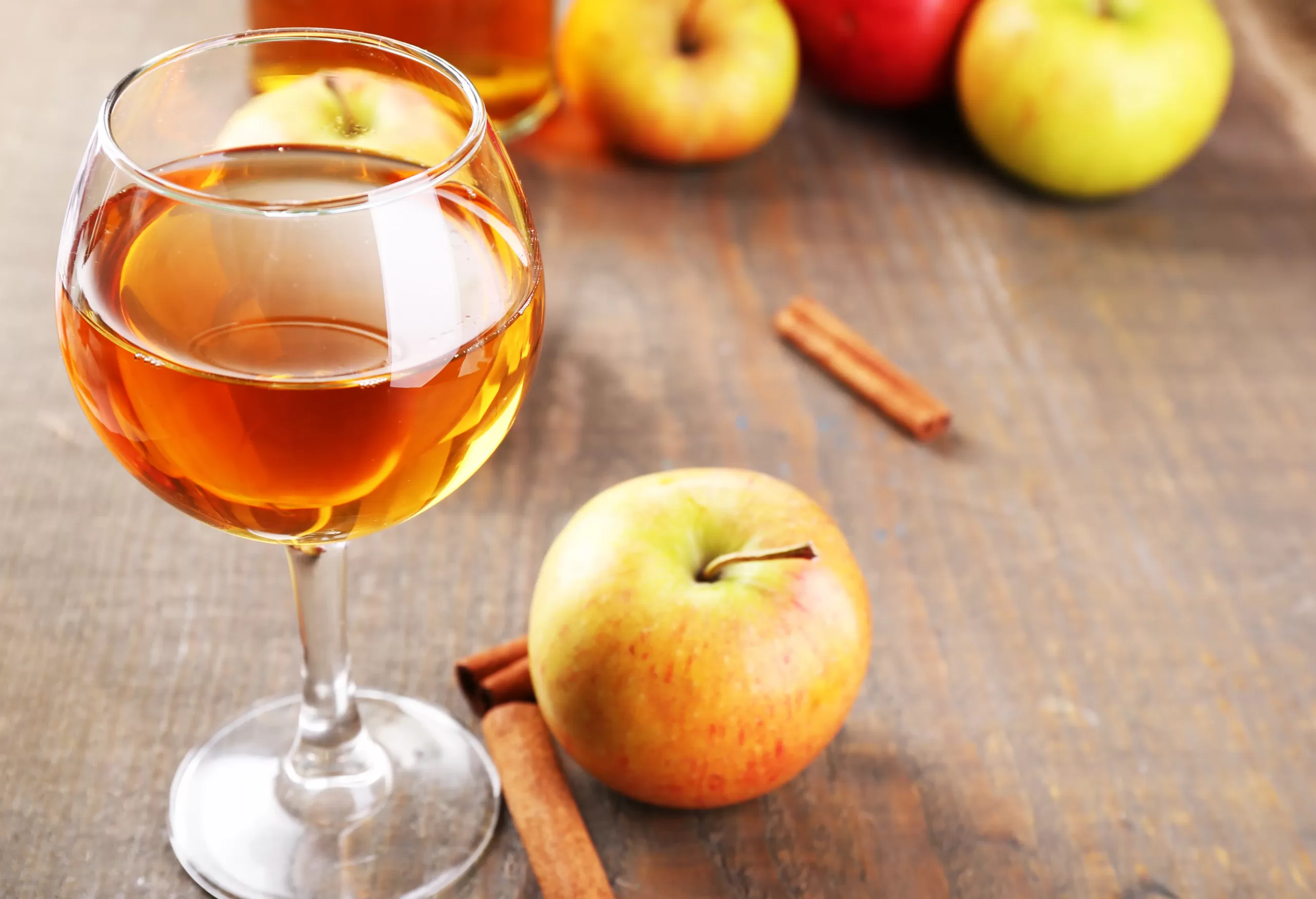
The allure of apple wine, crafted from the beloved and ubiquitous fruit, transcends its humble origins, captivating enthusiasts with its nuanced flavors and rich history. Rooted in tradition yet embraced by modern connoisseurs, apple wine beckons both casual drinkers and serious aficionados alike. The process of fermenting apples into a delightful libation evokes curiosity, as one might wonder how this familiar fruit transforms into something so enchanting. This exploration delves into the intricacies of apple wine production, its myriad styles, and the deeper meanings behind its enduring popularity.
The Fascination of Fermentation
At its core, the charm of apple wine lies in the fermentation process. This age-old method, wherein yeast converts sugars present in fruit into alcohol, creates a transformation that can be both spectacular and mystifying. Apple cider, the unfermented version of the beverage, possesses a refreshing sweetness that serves as the foundational element for apple wine. Yet, the moment fermentation initiates, a delicate alchemy occurs; flavors evolve, aromas deepen, and textures become more complex. The resulting products can range dramatically from dry to sweet, light to robust, with a stunning array of flavors that evoke memories of orchards and sunlit afternoons.
A Diversity of Styles
Not all apple wines are created equal. Various regional styles beckon, and each reflects its agricultural and cultural heritage. In France, particularly in the Normandy region, the celebrated cidre undergoes a meticulous process, yielding a drink that balances dryness with a hint of fruitiness. Conversely, in the United States, the burgeoning craft cider movement has led to innovative blends that may incorporate spices, hops, or even barrel-aging techniques, resulting in an entirely distinct flavor profile. Beyond traditional styles, experimental producers are also venturing into the realm of fruit blends, marrying apples with berries, citrus, or even herbal infusions, expanding the canvas of this fruit’s potential.
Regional Essence in a Bottle
The significance of terroir, a term traditionally associated with wine but equally applicable to apple wine, cannot be overstated. Just as vineyards reflect the soil, climate, and cultural practices of their regions, apple orchards do the same. Varietal selection plays a critical role – heritage apples like Granny Smith, Honeycrisp, and Kingston Black offer different levels of acidity, sweetness, and complexity. The geography also influences production; for instance, apples grown in colder climates often exhibit sharper acidity, creating a fresh and invigorating beverage, while those from warmer regions lean toward sweeter and rounder profiles. Each bottle of apple wine thus becomes a narrative of its origins, an evocative sip of place that invites the drinker to explore the landscapes from which it hails.
The Aesthetic Experience
Enjoying apple wine transcends mere consumption; it is an experience steeped in sensory delight. The vibrant hues of apple wines can range from a pale golden shade to deeper amber tones, visually enticing and evocative of the fruit from which they spring. Swirling a glass releases a bouquet of aromas, a medley that can encompass everything from fresh apple blossom to baked goods, earthy undertones, and hints of spice. The palate, when introduced to the liquid, receives a symphony of flavors: the crispness of green apples, the mellow sweetness of ripe varieties, and sometimes even an unexpected warm finish from oak aging. It’s this serendipitous marriage of aesthetics and sensorial pleasure that keeps enthusiasts returning for more.
Food Pairings and Culinary Conquests
Pairing food with apple wine reveals yet another layer of culinary exploration. The versatility of apple wine makes it an excellent companion across a spectrum of cuisines. Its innate acidity and sweetness complement savory dishes like roasted pork, rich cheeses, and even spicy Asian fare. Not to be overlooked is the more adventurous pairing with desserts; the crispness of a dry apple wine can be delightful alongside apple tarts, while a sweeter variant pairs harmoniously with spiced cakes or creamy desserts. Thus, apple wine establishes itself not just as a standalone beverage, but as a pivotal dining accomplice that elevates the overall gastronomic experience.
Health Aspects and Cultural Resonance
Health enthusiasts may find solace in apple wine’s potential benefits as well. Rich in antioxidants derived from the very apples used, it often boasts lower sulfite levels than conventional wines, offering a more natural alternative. Moderate consumption can even be part of a balanced lifestyle, and the growing interest in mindful drinking encourages exploration into less common libations such as apple wine. Meanwhile, culturally, apple wine occupies a special niche in seasonal festivities and traditions, from harvest festivals to holiday gatherings, evoking connections to heritage and communal sharing. This communal aspect underscores a deeper reason behind the fascination: apple wine embodies not just a beverage, but a vessel of storytelling, history, and connection among people.
Conclusion
Apple wine, much more than a mere drink, captures the essence of tradition, innovation, and the beauty of nature’s bounty. Each bottle tells its own story, an ode to the orchards that birthed it and the artisans who crafted it. Whether enjoyed on a crisp autumn afternoon or paired with a gourmet meal, apple wine invites exploration and appreciation. As drinkers are drawn into its world, they find themselves traversing flavors, cultures, and shared experiences, a testament to the enduring allure of this intriguing beverage. The fascination with apple wine, therefore, reaches far deeper than taste alone; it fosters a sense of belonging, nostalgia, and a connection to the natural world, enriching the lives of those who partake.











Leave a Comment