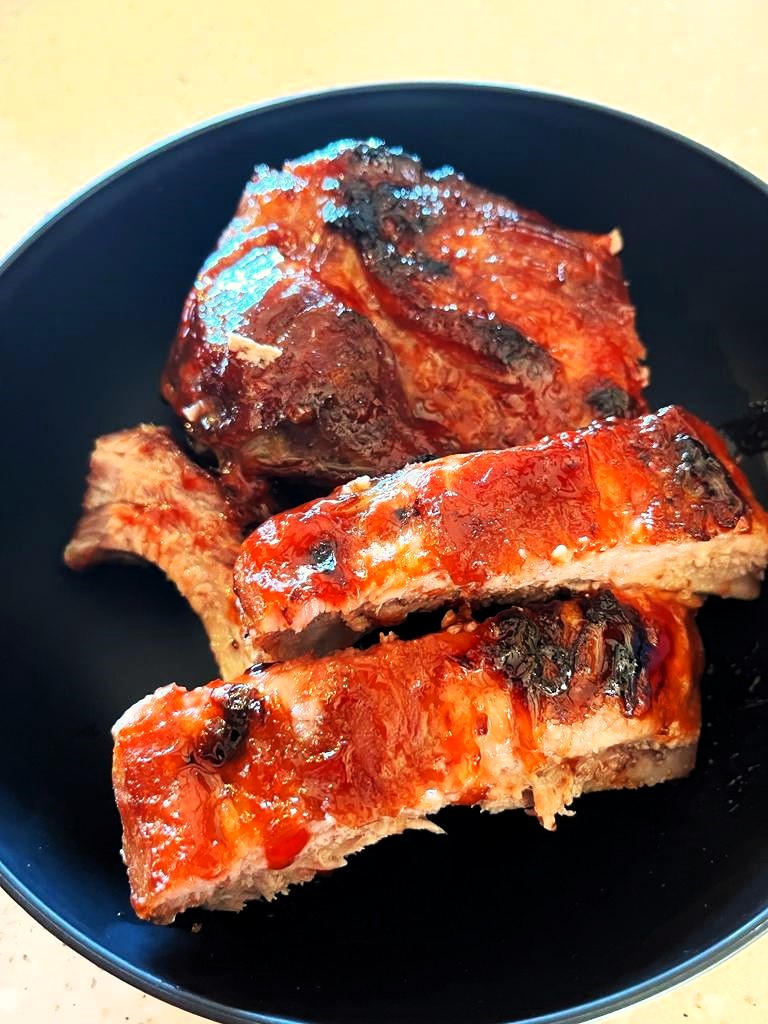
When it comes to barbecue, few debates are as spirited as the one surrounding baby back ribs and St. Louis ribs. Each has its loyal devotees, and each cut offers a unique culinary experience. For the uninitiated, understanding the differences between these two popular rib styles can transform a mundane meal into a savory masterpiece. As you embark on this delicious exploration, prepare to uncover nuances that can elevate your rib encounters from ordinary to extraordinary.
1. Understanding the Cuts
At its core, the distinction between baby back and St. Louis ribs lies in their origin on the pig. Baby back ribs, also known as loin ribs, are taken from the upper part of the rib cage, where the ribs curve around the spine. These ribs are shorter, usually measuring around six to eight inches long, and are characterized by their tenderness and slightly sweet flavor. Their delicate meat is prized for its buttery texture and is often more expensive due to the smaller number of ribs per pig.
In contrast, St. Louis ribs come from the belly part of the pig, specifically from the lower ribcage. They are a trimmed version of spare ribs, featuring a more rectangular shape after excess fat and cartilage are removed. These ribs are generally longer, measuring around eight to fourteen inches, and contain more meat between the bones. While St. Louis ribs may lack the same inherent tenderness as baby backs, they offer a rich, meaty experience that many aficionados adore.
2. Flavor Profiles
The flavor profiles of these two rib varieties offer a delightful contrast. Baby back ribs, with their tender thin layers of meat, boast a mild yet sweet flavor that pairs superbly with a variety of rubs and sauces. Their natural sweetness can be highlighted by fruit-based glazes, honey, or even a light teriyaki sauce, making them a versatile canvas for flavors.
On the other hand, St. Louis ribs have a meatier, more robust flavor profile. The higher fat content and marbling give them a richer taste that stands up well to bold barbecue sauces, spices, and dry rubs. Fans of smoky, peppery flavors often find joy in marinating or seasoning these ribs before slow-cooking to capitalize on their hearty characteristics.
3. Cooking Techniques
The preparation methods for baby back and St. Louis ribs can vary significantly, each requiring a different approach to achieve optimal tenderness and flavor. Baby back ribs benefit from low and slow cooking techniques, often involving smoking or baking at low temperatures (around 225°F) for several hours. The goal is to render the meat tender while retaining moisture, resulting in succulent bites that practically fall off the bone.
St. Louis ribs, while they can also be smoked, often perform exceptionally well with grilling and direct heat methods. Their higher fat content allows them to withstand the rigors of higher temperatures, which caramelizes the exterior beautifully while balancing the moist, flavorful meat within. A popular practice is to wrap the ribs in foil for part of the cooking process to ensure juiciness before finishing them over high heat for a satisfying char.
4. Serving Styles
When it comes to presentation, the distinct shapes of baby back and St. Louis ribs influence their serving styles. Baby backs are often served as individual ribs, perfect for a more casual, appetizer-style approach. These ribs can shine on their own, lightly glazed with sauce or simply seasoned, allowing their natural flavor to take center stage.
St. Louis ribs, with their broader, flatter presentation, are frequently served as full racks, making them an impressive centerpiece for any gathering. The ample meat between the bones and the caramelized goodness from the grill offer an irresistible appeal. A generous coating of tangy barbecue sauce can elevate these ribs, making them perfect for parties or family barbecues.
5. Nutritional Considerations
Nutrition plays an undying role in the selection between baby back and St. Louis ribs, as the different cuts offer varying fat content and caloric intensity. Baby back ribs tend to be leaner, meaning they provide less fat and fewer calories per serving, making them an attractive option for health-conscious diners. On the other hand, St. Louis ribs, with their richly marbled meat, often carry a higher caloric count, which could be ideal for those seeking a more indulgent experience.
6. Pairing Options
When enjoying either rib type, the right sides and beverages can create a well-rounded meal. Baby back ribs pair excellently with lighter fare like coleslaw, corn on the cob, or potato salad, enhancing their delicate sweetness. For beverages, consider opting for light ales or fruit-infused cocktails that echo the flavors of the dish.
Conversely, St. Louis ribs demand bolder accompaniments. Hearty dishes like baked beans, grilled vegetables, or spicy mac and cheese make excellent companions, while a robust stout or bourbon-based cocktail can complement the rich flavors harmoniously.
Conclusion
The battle between baby back and St. Louis ribs extends far beyond mere preference; it delves into the realms of flavor, preparation, and presentation. Understanding the distinctions between these two rib varieties opens up a pathway to culinary adventures and innovative pairings. Whether you gravitate toward the delicate tenderness of baby backs or the robust heartiness of St. Louis ribs, one certainty prevails: both offer a tantalizing experience that makes any barbecue gathering unforgettable. So, the next time you face this delicious dilemma, you’ll be equipped to make an informed choice that best satisfies your palate.








Leave a Comment