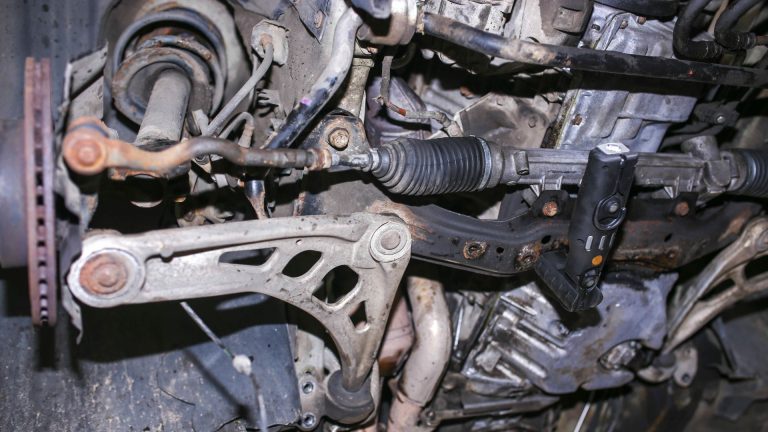
In the intricate world of automotive mechanics, the rack and pinion steering system plays a pivotal role in ensuring precise vehicle maneuverability. This system converts rotational motion from the steering wheel into linear motion that directs the vehicle’s wheels. However, as is the case with all mechanical components, wear and tear can lead to malfunctions. Understanding the symptoms of a deteriorating rack and pinion is paramount for vehicle owners seeking to maintain optimal performance and safety. Below are several telltale signs that may indicate issues with your rack and pinion system.
1. Power Steering Fluid Leaks
One of the earliest indicators of rack and pinion failure is the presence of power steering fluid leaks. This fluid is essential for the hydraulic functioning of the steering system. If you notice a reddish-brown puddle beneath your vehicle, it may signify a leak from the rack and pinion assembly. Monitoring fluid levels regularly not only helps identify leaks early, but also ensures that your steering system operates smoothly.
2. Noticeable Steering Wheel Play
When there’s excessive play in the steering wheel, it indicates a potential problem with the rack and pinion. Drivers might experience a vague sensation when turning the wheel, as if there’s a disconnect between the steering input and the vehicle’s response. This unwanted sloppiness can lead to compromised control and should not be ignored, as it poses significant safety implications.
3. Unusual Noises
Hearing clunking, grinding, or squeaking sounds while steering can be alarming. Such sounds typically emanate from the rack and pinion system when its internal components are worn or damaged. An impending failure of the system can exacerbate these noises, making them more pronounced during turns or over bumps, thus requiring immediate attention.
4. Difficulty Steering
Struggling to turn the steering wheel, especially at low speeds or when parked, is a substantial red flag. A malfunctioning rack and pinion means the necessary assistance for steering is diminished, making it cumbersome to maneuver the vehicle. This difficulty often signals severe wear on the internal gears, necessitating an examination by a professional.
5. Erratic Steering Response
If the vehicle reacts unpredictably to steering inputs, exhibiting over-responsiveness or sluggishness, this inconsistency can stem from a dysfunctional rack and pinion. This erratic behavior makes precise control challenging, jeopardizing the driver’s confidence when navigating through traffic or making critical maneuvers.
6. Vibrations Felt Through the Steering Wheel
Vibrations that resonate through the steering wheel during driving signify potential rack and pinion issues. Factors contributing to these vibrations may include misalignment, worn-out bushings, or internal component failures. Addressing these symptoms promptly can prevent the escalation of further damage to the steering system or other related components.
7. Uneven Tire Wear
While uneven tire wear can be ascribed to various factors, one possible culprit is the failing rack and pinion system. If the steering alignment is off—a common consequence of a deteriorated rack and pinion—it can lead to accelerated wear on specific tire edges, ultimately hastening the need for replacement tires. Regular alignment checks become crucial in preventing premature tire degradation.
8. Steering Wheel Misalignment
A misaligned steering wheel, even when driving straight, is a significant sign of problems within the rack and pinion system. Drivers may find themselves needing to hold the steering wheel at an angle to maintain a straight trajectory. This misalignment can not only be bothersome but can also lead to further steering issues if neglected over time.
9. Warning Lights on the Dashboard
Modern vehicles are equipped with advanced diagnostic systems that monitor the performance of essential components. When the steering system experiences issues, warning lights may illuminate on the dashboard, typically indicating a fault in the power steering. Ignoring these warnings can lead to exacerbated issues and should prompt immediate investigation.
10. Fluid Contamination
Power steering fluid should be clear of debris and contaminants. A change in fluid color or the presence of froth can indicate the ingress of dirt or particles into the steering system. Contaminated fluid can accelerate wear on the rack and pinion components and diminish their operational integrity.
In summary, the significance of a well-functioning rack and pinion steering system cannot be overstated. Awareness of the aforementioned symptoms allows vehicle owners to act proactively, preserving both safety and performance. Regular maintenance, coupled with prompt attention to warning signs, can vastly enhance the longevity of your vehicle’s steering system. Ultimately, knowing when to seek professional assistance is crucial in avoiding more severe damages and costly repairs. Understanding these symptoms empowers drivers to take control of their vehicle maintenance and longevity.








Leave a Comment