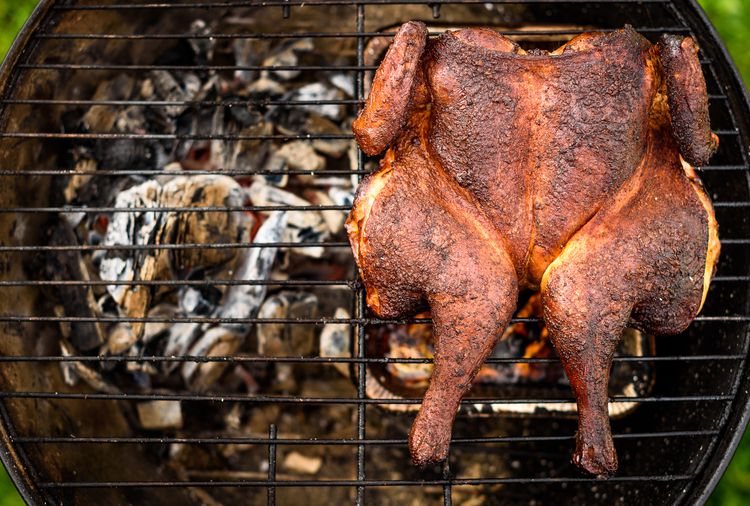
Embarking on a culinary journey often means traversing unexpected landscapes, where flavors blend, collide, and ultimately tell a story. Smoking chicken is one such venture, where the alchemy of fire and wood nurtures an inviting aroma while promising succulent meat. Yet, amidst this flavorful paradise, a unilateral bitterness can sometimes emerge, like shadows beneath a sunlit sky. Understanding this phenomenon can transform your smoking experience from an unpleasant affair into a delightful exploration of balance and taste.
First and foremost, let’s examine the intricate dance of flavors that occurs when smoking chicken. The smoking process is akin to a painter layering hues onto a canvas, each imparting its character. Wood selection is paramount, as different types impart distinct flavors. For instance, hickory will volunteer a robust, bacon-like essence, while applewood envelops the fowl with a subtly sweet whisper. However, if one selects misaligned woods or uses them improperly, the result can veer into a realm of bitterness, overpowering the delicate nature of the chicken.
Now, let us delve deeper, analyzing the elements contributing to that uninvited bitter note. The charred remnants of wood—those pesky little splinters formed during the smoking process—can add a discordant flavor if not managed meticulously. The intersection of smoke and chicken skin can foster this bitter essence, particularly when the smoke clings too desperately to the meat, akin to unwelcome company that overstays its visit.
The seasoning you choose before introducing the chicken to the smoke can also dictate the flavor balance. A heavy hand with spices, particularly those with strong, astringent profiles like certain paprika or even cumin, can become overwhelming. Imagine a symphony where one instrument plays far too loudly; it disrupts the harmonious flow of the piece. Much like that imagined symphony, your chicken requires a nuanced seasoning approach—suffusing it with flavors that enhance rather than overpower.
Inadequate marinades can similarly lead to bitterness. If a marinade is too acidic, it can break down proteins in a way that becomes unpalatable. The acidity can create relationships with the proteins that leave an aftertaste reminiscent of bitter popcorn. Thus, the meticulous art of marinating, akin to conducting a delicate ballet, demands precision and balance, steering clear of acidity’s sharp embrace.
Cooking temperature remains another critical player in this delicate balance. When smoked at excessively high temperatures, the sugars in the wood can caramelize too quickly, leading to a bitter finish. Think of this as the heat blushing the chicken; while some coloration is beautiful, excessive char can be an unforgiving critic. Instead, allowing the chicken to luxuriate in lower, slower heat fosters tender juiciness while giving smoke ample time to envelop the meat without the risk of bitterness.
Furthermore, the choice of chicken cut can shape your experience. Dark meat, for instance, may lend itself better to the smoky embrace, while leaner cuts like chicken breast might easily succumb to overcooking and bitterness if the cook is not vigilant. Understanding these nuances is akin to a seasoned artisan refining their craft—each choice reverberating through the final product.
Post-smoking treatment can also influence the final taste profile. Allowing chicken to rest before slicing can permit those rich juices to settle back into the meat. If sliced too soon, the flavors can be disjointed, and bitterness may surface—an unwelcome aftertaste that lingers longer than expected. The rest period is not just a pause; it’s a crucial moment for reconciling flavors, allowing them to evolve and interlock.
Vigilance during the smoking process is imperative. It may feel tempting to leave the chicken unattended, but frequent monitoring is essential. Consider the flame a complex relationship, requiring attention and care; neglecting it can lead to bitterness, transforming your masterpiece into a mere cautionary tale of burnt dreams. The smoke billowing from your grill is both a guide and a warning, hinting at the balance between perfection and culinary disaster.
In summary, the bitter taste that can emerge when smoking chicken is not an insurmountable adversary but rather a multifaceted puzzle waiting to be solved. By traversing these careful considerations—from wood choice to vigilant temperature control, meticulous marinade applications, and adept rest times—one can navigate this labyrinth with grace. Each decision echoes through the final dish, painting the palate with layers of flavor, evoking an appreciation for both the simplicity and complexity of cooking.
Ultimately, learning to smoke chicken is a rite of passage steeped in both art and science, where each smoky inhalation of aromas beckons further exploration. Discovering the root of bitterness not only salvages a meal but enriches your culinary repertoire. Embrace the trials, for within them lie the secrets to mastery, turning a potentially bitter experience into a glorious celebration of flavor.










Leave a Comment