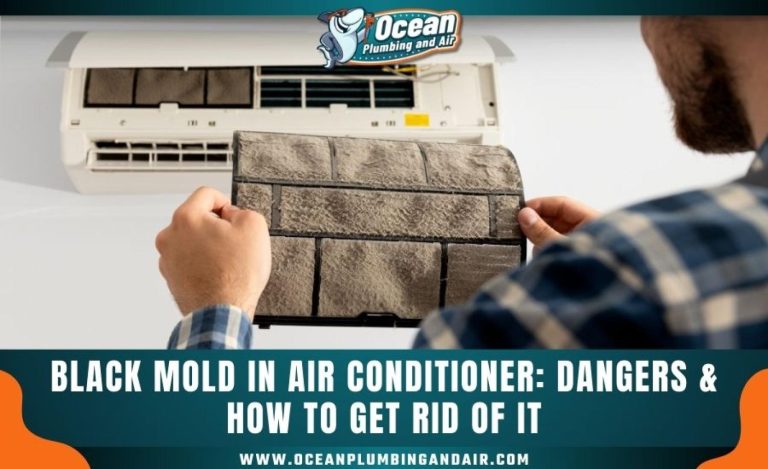
In the labyrinthine recesses of your home, an unseen menace may lurk—black mold. Like a clandestine specter, it can swiftly proliferate within the confines of your air conditioning system, transforming it from a haven of refuge into a breeding ground for potential health hazards. Understanding the implications of black mold in your air conditioner is pivotal not only for your respiratory well-being but also for the longevity of your HVAC system. Herein lies a detailed exploration of this insidious foe, coupled with effective remediation strategies.
The Nature of Black Mold
Black mold, scientifically classified as Stachybotrys chartarum, thrives in damp, humid environments. Much like a villain in a classic tale, it is elusive, often hiding in dark corners where moisture reigns supreme. Black mold’s presence can be deceptively benign at first, but it carries a repertoire of allergens and irritants that, when released into the air, can wreak havoc on unsuspecting inhabitants’ health. Symptoms can range from mild respiratory discomfort to severe allergic reactions, transforming your living space into a veritable dungeon of discomfort.
How Does Black Mold Invade Air Conditioners?
An air conditioning unit is akin to a meticulously engineered ecosystem, designed to circulate cool, refreshing air throughout your abode. However, the interplay of humidity and temperature creates a conducive environment for mold spores to flourish. When condensation occurs on evaporator coils, for instance, the excess moisture can become a breeding ground. Add to this equation the accumulation of dust and other organic materials, and it creates an alluring banquet for mold.
The Impact of Black Mold on Indoor Air Quality
Indoor air quality (IAQ) often acts as a barometer for the health of your home. The presence of black mold can significantly degrade IAQ, leading to a mysterious malaise. Think of your air conditioning system as a delivery service—if the product is tainted, what arrives on your doorstep? Mold spores, once expelled into the air, may trigger a host of health issues, ranging from chronic coughing fits to exacerbated asthma attacks. The ramifications can extend beyond mere discomfort; they may also strain relationships with family members who are more susceptible to such irritants.
Identifying the Signs of Black Mold
Assiduously monitoring for signs of black mold is imperative. Visible symptoms may include dark patches on the air conditioning unit or surrounding structures. A disconcerting musty odor is another telltale sign, akin to an early warning signal in a dense forest. Additionally, residents may experience respiratory issues or heightened allergy symptoms when the AC is in operation. If it feels like an invisible cloud has descended upon your home, it is time to take action.
Steps to Diagnose and Contain the Problem
Diagnosing the elusive presence of black mold involves several methodical steps. First, inspect your air conditioning unit and ducts, looking for any discoloration, water leaks, or signs of moisture accumulation. Utilizing a hygrometer can provide insight into humidity levels; ideally, these should remain below 60% to deter mold growth.
Once identified, containing the mold becomes paramount. Turn off the air conditioning system to prevent the circulation of mold spores. Employ a plastic barrier to isolate the infected area, much like a knight securing the castle before embarking on a quest against a formidable foe. Ensure you have personal protective equipment (PPE) in place—gloves, masks, and goggles—to shield yourself from potential exposure.
Remediation Techniques
Once containment measures are set, the next step involves remediation. Start by cleaning the affected area with a solution of water and detergent, scrubbing away the visible mold. In more pervasive cases, commercial mold removers may be warranted. For stubborn infestations, enlisting the expertise of certified mold remediation professionals can ensure thorough eradication.
Additionally, it is essential to address the root cause—humidity control is key. Consider using dehumidifiers to maintain optimal moisture levels and establish routine air filter changes to reduce dust accumulation. Smooth airflow and regular maintenance are like a symphony, harmonizing to ward off future invasions.
Prevention is the Best Medicine
To render your air conditioning system impervious to future mold growth, adopt proactive measures. Insulate ductwork to prevent condensation formation and regularly clean the evaporator coils. Routine inspections, much like periodic health check-ups, can catch potential issues before they manifest into something far more detrimental.
Conclusion
In summation, black mold in your air conditioner is a hidden adversary that demands vigilance and immediate action. By understanding its nature, implementing effective diagnostic measures, and embracing robust remediation techniques, you can safeguard your home, ensuring that your air conditioning system remains a bastion of comfort rather than a source of concern. The stakes are high—the air you breathe is worth fighting for, and with diligence, the dark specter of black mold can be vanquished into the annals of history.







Leave a Comment