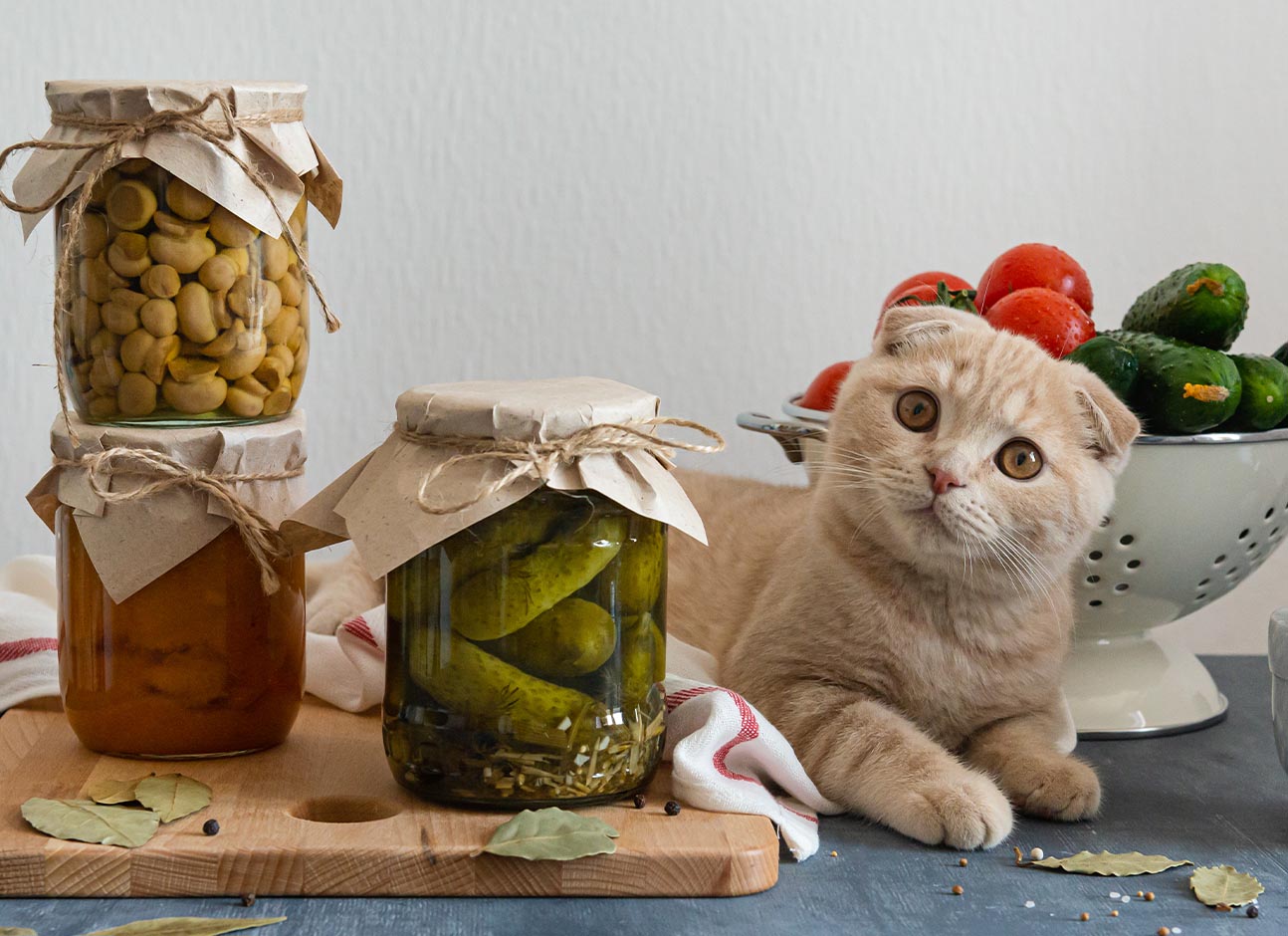
Picture this: you’re enjoying a delightful afternoon snack of pickles, their briny crunch tantalizing your taste buds, when you notice your feline companion eyeing your snack with an air of intrigue. It’s a playful question that arises: Can cats eat pickles? While the mere thought of sharing a pickle with your cat might seem whimsical, it’s also imperative to delve into the implications of such a culinary experiment. Here we embark on a detailed exploration of the subject, unveiling the layers of potential risks and considerations.
To begin with, it’s essential to understand the dietary nature of cats. Obligate carnivores by design, their nutritional needs are predominantly fulfilled through a protein-rich diet, primarily comprised of meat. Their digestive systems are finely tuned to metabolize protein, which means that the introduction of non-meat food items may present an array of challenges. So, let’s uncover what happens when you introduce pickles into a cat’s diet.
First and foremost, we must elucidate what precisely constitutes a pickle. Typically, pickles are cucumbers that have been preserved in a vinegar solution, often embellished with an assortment of spices, herbs, and salt. While cucumbers themselves are harmless to cats, the question remains: does the pickling process yield a safe treat for your furry friend?
One of the primary concerns with feeding your cat pickles lies in their high salt content. Many brine recipes call for copious amounts of salt, which can be detrimental to a cat’s health. Excessive salt intake can lead to a plethora of health issues including dehydration, increased blood pressure, and even kidney dysfunction over time. With cats being particularly sensitive to sodium, a smidgen of pickle might result in more harm than good.
Moreover, the vinegar utilized in pickling processes often adds an additional layer of complexity. While some may argue that vinegar is safe for cats in minimal quantities, it’s vital to recognize that felines generally disfavor acidic environments. Their digestive systems are not equipped to handle high acidity, which could potentially lead to gastrointestinal distress manifesting as vomiting or diarrhea. The implications of attempting to introduce pickles into their diet could be quite troublesome.
Next, we must address the potential for choking. Given the texture of pickles, they may present a choking hazard, particularly to smaller cats or those who have a tendency to gobble their food. The combination of crunchiness and size could provoke an unfortunate incident, making it imperative to consider the form in which any human food is offered to a beloved pet.
It’s also worth contemplating the individual temperament and health status of your cat. Some felines may exhibit peculiar reactions to unfamiliar foods. Not only do cats possess unique palates, but their reactions to dietary changes can vary. If your cat has a sensitive stomach or prior health concerns, the introduction of pickles—even in small amounts—may lead to unwanted complications.
Nonetheless, it would be remiss not to consider alternative vegetables that are more compatible with a cat’s physiology. While cucumbers themselves are generally safe in moderation, you might inquire whether your feline would prefer to munch on an unseasoned slice. Fresh, plain cucumbers can provide hydration and a crunchy texture without the buried challenges that accompany pickles.
Some may argue that a few bite-sized pieces of pickles, offered as an occasional treat, pose little risk. While this may be true for certain individual cats, the dangers associated with habitually feeding pickles outweigh the whimsical indulgence. The potential culinary journey through the briny world of pickles is undoubtedly fraught with risks that put a pin in the desire to share such snacks with your four-legged friend.
Ultimately, it is prudent to remember that cats thrive on a well-rounded diet tailored to their specific needs. While it may be tempting to share human snacks with your beloved pet, it is crucial to distinguish between treats that can enhance their well-being and those that might jeopardize it. As such, it’s essential to opt for pet-friendly snacks that prioritize their health and happiness.
In conclusion, while the question “Can cats eat pickles?” might elicit smiles or laughter, the answer lies within the intricate nexus of feline dietary needs and the composition of pickles. The potential challenges—including high salt content, the acidity of vinegar, and the risk of choking—underscore the importance of thoughtful food choices for your beloved pets. Ultimately, the well-being of your furry companions should always be the priority, nudging us toward safer and healthier options for them to enjoy.










Leave a Comment