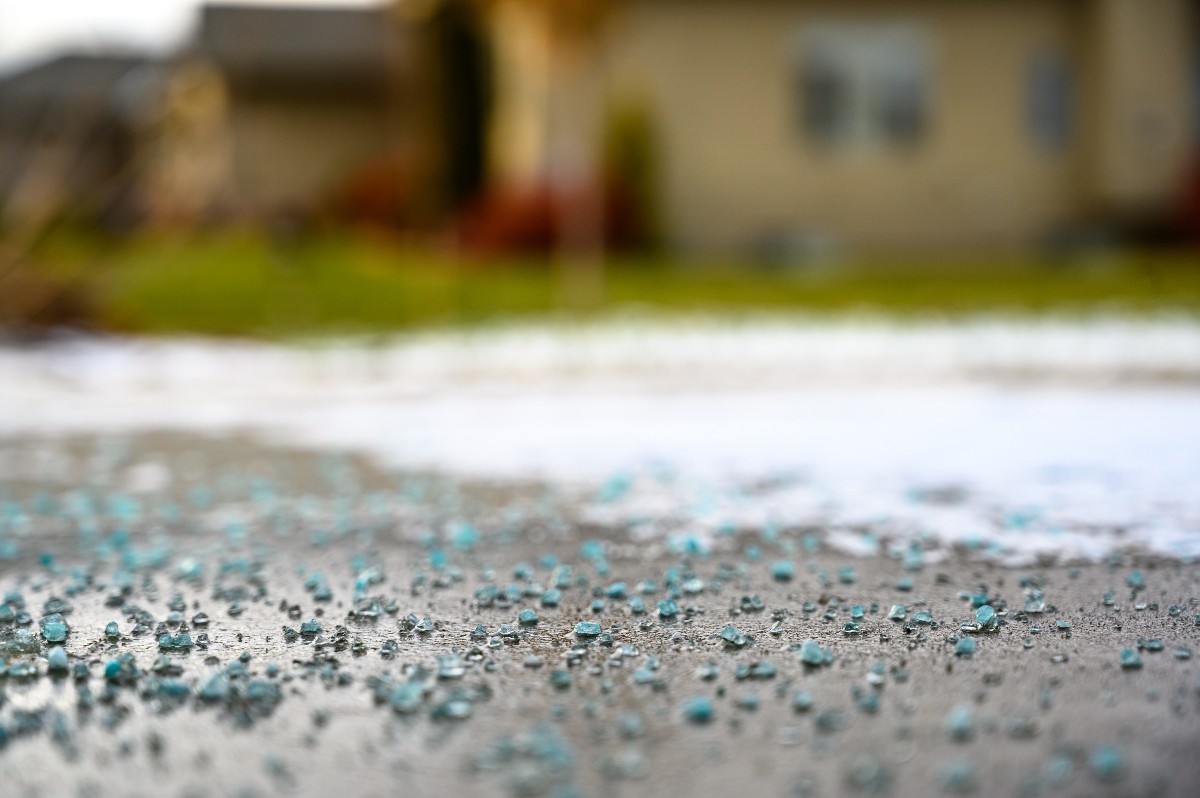
Pouring concrete in the winter can seem akin to trying to coax a flower to bloom in the frosty grasp of winter’s chill. The cold air may whisper promises of pristine beauty and tranquil landscapes, but beneath it lies an intricate dance of chemistry and physics that both intrigues and intimidates. Understanding the nuances of winter concrete pouring is essential for ensuring that your project thrives despite the environmental challenges. This guide seeks to illuminate the path ahead, revealing practical strategies and considerations for navigating this frosty endeavor.
The Challenges of Cold Weather
Concrete is not merely a mixture of cement, sand, gravel, and water. It is a living embodiment of chemical reactions, a cascade of hydration that depends heavily upon temperature. Winter’s icy breath can impede these reactions, leading to a host of complications. Low temperatures not only slow down the curing process but can also lead to freezing, which may cause cracks and structural weaknesses. Therefore, grasping the adversities posed by winter conditions is crucial. As a painter selects their palette with care, so must you choose your strategies wisely to ensure a successful winter pour.
Choosing the Right Mix
When contemplating a winter pour, consider the concrete mix itself. Standard mixes may not suffice when temperatures plummet; one might need to employ specialized formulations such as winter-grade concrete, which typically has a lower water-to-cement ratio and includes accelerators that facilitate quicker curing. Enhancing your mixture with additives like calcium chloride can also help bamboozle the cold, promoting hydration even in parched, freezing environments. Ultimately, selecting a robust mix will arm you against the capriciousness of winter.
Strategic Timing is Essential
Much like the tides obey the moon, the workplace must comply with thermodynamic laws. The time of day you choose to pour can have significant consequences. When temperatures are at their lowest, typically in the early morning or late evening, it is prudent to delay the pour until warmer hours, ideally between midday and afternoon when the sun may offer some respite. The warmth of the day can be the gentle balm that your concrete needs to thrive before nightfall descends once more.
Surface Preparation
The ground you pour upon is as crucial as the concrete itself. Ensure that the surface is free from snow, ice, and moisture, which can lead to improper bonding and result in compromised stability. Using heaters, tarps, or insulated blankets can shield the ground from the harsh grip of winter. One must approach surface preparation with the meticulous care of a sculptor chiseling away at marble, identifying and eliminating imperfections before the first pour.
Protective Measures
Once poured, concrete needs protection from the elements. Enveloping your freshly poured slab in insulating blankets can provide much-needed warmth, akin to wrapping a newborn in a cozy blanket. If temperatures are dangerously low, using heated enclosures can maintain a stable environment where the concrete can flourish. Moreover, it is vital to monitor the temperature of the concrete itself, ensuring it remains above the critical point for curing. This vigilance can prevent disastrous consequences, like cracking or uneven setting.
Curing Techniques
Curing is often overlooked but serves as the lifeblood of concrete strength. Just as a flower needs sunlight and water to blossom, concrete requires humidity and warmth to achieve its maximum potential. In cold weather, the hydration process can be stunted, necessitating alternative curing techniques. Regularly wetting the concrete, using curing compounds, or applying insulation can keep the process alive when frigid temperatures threaten to stifle it. Embrace these techniques with a sense of responsibility, knowing they are the keys to unlocking the full potential of your winter mix.
Weather Forecasting
Understanding the weather is akin to reading a novel; each chapter reveals new developments and unforeseen challenges. Before embarking on a winter pour, examine forecasts for the upcoming days. An impending snowstorm or a sharp drop in temperatures can derail even the best-laid plans. Prepare for a weather change as if arming yourself for battle; have contingencies in place. Keeping a flexible timeline may allow you to adjust plans accordingly, safeguarding against nature’s whims.
Final Thoughts
In conclusion, while pouring concrete in winter may seem akin to navigating a stormy sea, it is possible with careful planning and consideration. By acknowledging the challenges posed by the cold and preparing adequately at every stage—from mix selection to curing—you can emerge victorious. The result of your labor will be a testament to your dedication, a sturdy structure rising like a phoenix against a wintry backdrop. With the right approach, winter can transform from an adversary into an ally, showcasing the unique beauty of your work against the serene canvas of freshly fallen snow.









Leave a Comment