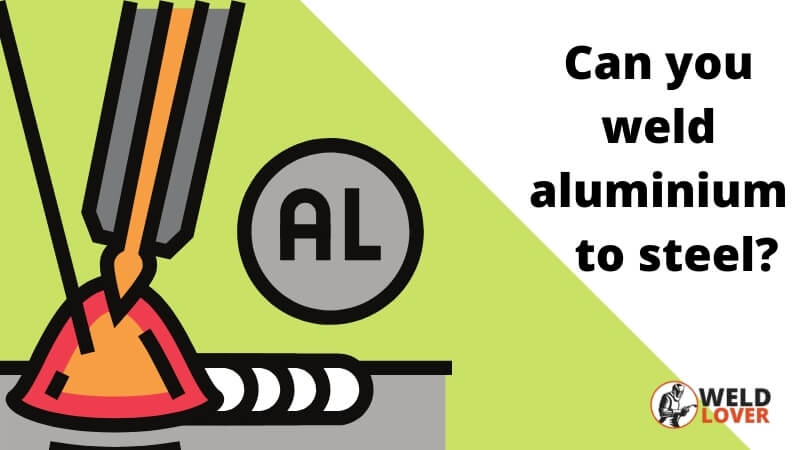
In the realm of fabrication and metalworking, the juxtaposition of aluminum and steel offers a thrilling challenge, akin to mixing oil and water. Both metals possess unique characteristics, but can they truly coexist in a welded union? This intricate dance between two distinctly different materials has intrigued metalworkers and engineers alike, leading to a quest for knowledge on the feasibility and methods of welding aluminum to steel.
Before delving into the technicalities, it’s essential to grasp the fundamental nature of these two metals. Aluminum is renowned for its lightweight properties, corrosion resistance, and malleability, while steel boasts unparalleled strength and durability. Imagine, if you will, aluminum as the swift gazelle of the metal world, gracefully darting across the savannah, while steel stands as the mighty elephant, steeped in resilience and power. The potential to forge a connection between them tantalizes many, promising advantages that could redefine the paradigm of metal fabrication.
However, the challenge of welding these dissimilar metals presents itself immediately. The disparity in their melting points—aluminum’s at around 660°C (1220°F) against steel’s varying between 1370°C and 1510°C (2500°F to 2750°F)—creates an initial hurdle. This difference can lead to complications during the welding process, as steel could easily melt before the aluminum even reaches its critical temperature. The notion of melding these polar opposites must be approached with a well-crafted strategy and the right techniques.
Understanding the Challenges
The metallurgical incompatibility of aluminum and steel is the primary obstacle. When subjected to high heat during the welding process, they can form intermetallic compounds that result in poor mechanical properties, crack susceptibility, and overall weakness at the joint. The key lies in finding methods that allow for a successful bond without succumbing to these detrimental effects.
Available Techniques
Several welding techniques have emerged as viable options for joining aluminum to steel. Each approach bears its own set of advantages and limitations, akin to the diverse strategies employed by various animals in the wild. Here’s a closer look at the most commonly utilized methods:
1. **Brazing**
Brazing, a process that involves melting a filler metal above 450°C (840°F) without melting the base metals, emerges as a reliable method for joining dissimilar metals. This technique allows aluminum and steel to hold hands, gracefully bypassing the pitfalls of fusion welding. The filler metal, often made of copper or aluminum, flows into the joint by capillary action and solidifies, creating a robust bond while preserving the integrity of both materials.
2. **Friction Stir Welding**
Friction stir welding (FSW) is an ingenious method that is akin to a dance of friction and heat. A rotating tool stirs the metals to create a solid-state joint—there’s no melting involved here. This method excels in producing high-strength joints with minimal defects. The swiftness of this technique gives it a unique appeal, facilitating the joining of aluminum to steel without the need for complex heat input controls.
3. **Arc Welding with Transition Materials**
Utilizing arc welding techniques, specifically gas metal arc welding (GMAW) or TIG welding, provides another pathway. The introduction of transition materials, such as nickel or titanium, during the welding process can help to minimize the creation of intermetallic compounds that hinder the strength of the bond. By employing these intermediary elements, fabricators can forge a connection that retains the desirable qualities of both aluminum and steel.
4. **Laser Welding**
Laser welding offers exquisite precision, making it an excellent option for aluminum-to-steel joints. The focused beam creates high levels of energy, which can effectively melt the materials for welding without excessive heat input. The agility of this method facilitates intricate work that is vital in applications demanding precision.
Considerations for Success
Achieving a successful weld between aluminum and steel requires meticulous attention to detail and adherence to best practices. Here are some vital considerations to keep in mind:
- Surface Preparation: Cleanliness is paramount. Remove oxides and contaminants through chemical or mechanical means to ensure optimal bonding.
- Preheating: For certain methods, preheating the steel may help mitigate the thermal shock and reduce the risk of cracking.
- Filler Material Selection: Choosing the right filler metal according to the method employed can dramatically enhance the joint strength.
- Post-Weld Treatment: Heat treatment or stress-relief processes can be beneficial to ensure the durability of the weld.
Conclusion
The inquiry into whether aluminum can be welded to steel is more than a technical challenge; it embodies the spirit of innovation that drives the metalworking industry. As techniques evolve and new methodologies arise, the possibility of forging strong, durable bonds between these unlikely partners becomes increasingly attainable. By adhering to the appropriate techniques and considerations, fabricators have the opportunity to create new hybrid applications that harness the strengths of both aluminum’s lightness and steel’s impressive strength. Indeed, the union of aluminum and steel is no longer a distant dream, but a tangible reality ripe with potential, a testament to human ingenuity in the art of welding.









Leave a Comment