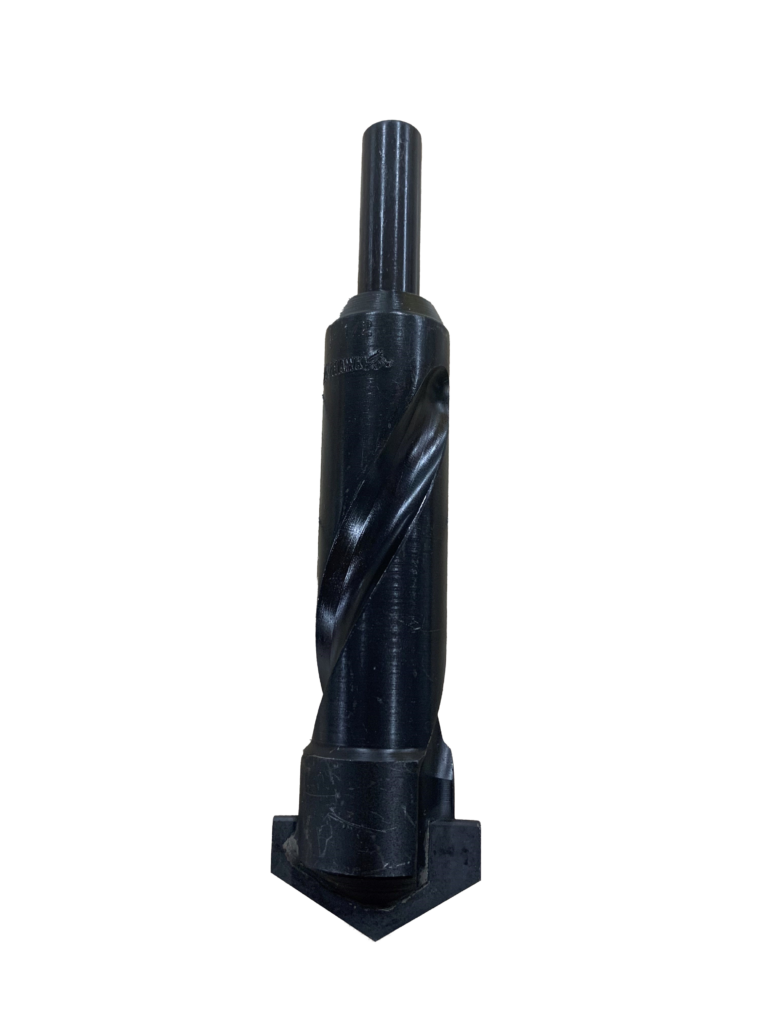
Carbide tipped drill bits have revolutionized the world of drilling and machining, offering exceptional performance and longevity that standard drill bits simply cannot match. In a world increasingly driven by precision and efficiency, understanding the intricacies of these tools can transform not just how we perceive drilling tasks but also how we execute them. The arcane knowledge surrounding carbide tipped drill bits unveils a plethora of benefits that make them indispensable for both professional craftsmen and DIY enthusiasts alike.
Understanding Carbide: The Heart of the Drill Bit
At the core of carbide tipped drill bits lies tungsten carbide, a robust compound renowned for its exceptional hardness and resistance to wear. Tungsten carbide consists of tungsten and carbon atoms, where the bonding between these materials forms an incredibly durable matrix. This unique composition allows carbide to withstand the rigors of drilling through hard materials, making it a favorite in industries that demand precision, including metalworking, woodworking, and construction.
The Advantages of Carbide Tipped Drill Bits
Carbide tipped drill bits offer a multitude of advantages that elevate them above their high-speed steel counterparts. The hardness of carbide allows for sharper edges that can maintain a fine point, resulting in cleaner cuts. This sharpness elevates drilling accuracy, significantly reducing the chance of wandering and ensuring that holes are drilled exactly where intended. Moreover, they experience reduced friction, which lessens the heat generated during the drilling process.
Longevity is yet another pivotal factor to consider. Carbide tipped drill bits boast a longer lifespan, often outperforming their steel counterparts up to tenfold. This durability is particularly beneficial in high-volume, industrial applications where efficiency is paramount. Over time, the reduced frequency of bit replacements translates into palpable cost savings and minimized downtime, punctuating their efficacy in professional settings.
Drilling Material Matchups
The versatility of carbide tipped drill bits shines bright when it comes to different materials. Unlike standard drill bits that may struggle with harder materials, carbide tipped variations are tailored to excel in the most demanding environments. Whether drilling through metal, concrete, ceramic, or hardwood, these bits adapt and perform with aplomb. The ability to use a single tool for diverse applications simplifies the toolkit of professionals, optimizing their workflow.
Additionally, specific designs have emerged to further cater to unique materials. For example, masonry bits incorporate a specialized tip design that efficiently penetrates concrete, while metal-cutting designs feature sharp, geometrically optimized points for precise cuts in ferrous and non-ferrous metals. Knowing what type of carbide tipped drill bit to choose can significantly enhance the drilling experience, forging a deeper understanding of tool selection.
Determining the Right Carbide Bit
When navigating the labyrinth of carbide tipped drill bits, one must consider critical factors to select the most appropriate tool for the task at hand. Diameter is one such element; a wider bit may be necessary for larger holes, while smaller diameters suit precise applications. It is prudent to match the bit size to the intended hole size, factoring in the potential for reaming or counter-sinking.
The angle of the drill tip also warrants attention. Standard drill bits usually possess a point angle of 118 degrees, making them ideal for general-purpose drilling. However, specialized applications might require a more acute or obtuse angle. A 135-degree tip excels in harder materials, as its geometry enables easier entry and reduced walking. Understanding these nuances is pivotal for anyone intent on maximizing drilling efficacy.
Maintenance and Longevity Tips
To truly harness the longevity and performance for which carbide tipped drill bits are renowned, proper maintenance is essential. Regular cleaning of the bits after use prevents residue from building up, which can impair performance. A simple brush or cloth can effectively remove debris, ensuring that the cutting edges remain free from obstruction.
Storing your carbide drill bits in a protective case can also diminish the likelihood of chipping or breaking, which are detrimental to their efficacy. Furthermore, consider using cutting oils or lubricants during prolonged operation. These substances enhance the bit’s lifespan by dissipating heat and reducing friction, allowing for a smoother and more efficient drilling process.
Common Misconceptions
Despite their advantages, misconceptions regarding carbide tipped drill bits abound. One prevalent myth suggests that they are only suitable for hard materials. In reality, these bits can be indispensable even when working with softer materials, providing superior precision and efficiency. Another common belief is that carbide bits cannot be sharpened. While it is true that resharpening requires specialized tools, professional services exist that can restore a carbide bit to its former glory.
The Future of Carbide Tipped Drill Bits
The trajectory of carbide tipped drill bits remains promising, as advancements in manufacturing technologies continuously broaden their applications. Innovations such as micro-sized carbide bits are emerging, targeting precision tasks like electronics and fine jewelry. Moreover, eco-friendly manufacturing processes are being explored, catering to a world eager for sustainable solutions.
In conclusion, appreciating the nuances of carbide tipped drill bits not only shifts one’s perspective on drilling tools but also empowers users to optimize their projects. They represent a confluence of durability, precision, and versatility, breathing new life into the often-overlooked world of drilling. With the right knowledge and tools, one can explore realms of creativity and craftsmanship previously unattainable.







Leave a Comment