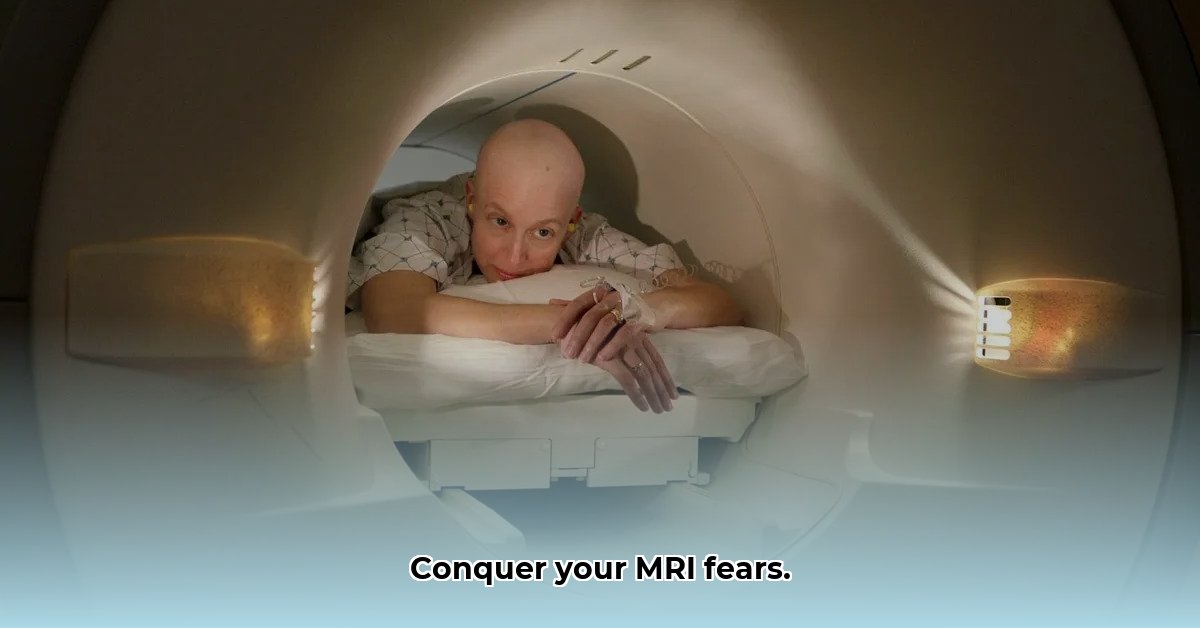
Claustrophobia, a condition characterized by an irrational fear of confined spaces, can pose significant challenges for individuals undergoing medical imaging procedures. Magnetic Resonance Imaging (MRI), particularly traditional closed MRI machines, often exacerbates this anxiety due to the enclosed nature of the equipment. To alleviate discomfort and ensure a successful imaging experience, open MRI machines have emerged as a viable alternative. This article explores the nuances of claustrophobia and the advantages of open MRI machines, providing a comprehensive guide for patients navigating this intriguing intersection of healthcare and mental well-being.
Understanding Claustrophobia
Claustrophobia manifests as intense anxiety when individuals find themselves in restrictive environments. It can lead to symptoms ranging from rapid heartbeat and sweating to feelings of impending doom. For many, the prospect of enduring an MRI scan inside a closed cylinder can trigger these reactions. Recognizing that understanding this phobia is the first step toward mitigation is essential, as it empowers individuals to seek alternatives that accommodate their anxiety.
The Advent of Open MRI Machines
Open MRI machines represent a revolutionary shift in medical imaging technology, designed with patient comfort in mind. Unlike traditional closed MRIs, which encase the patient within a narrow tube, open MRIs feature a wider and more open structure, significantly reducing the sensation of confinement. This design allows for greater airflow and access to the surrounding environment, which can help assuage feelings of claustrophobia.
Key Features of Open MRI Machines
- Spacious Design: Open MRI machines typically feature a wider bore, allowing patients to lie comfortably without feeling trapped. This expanded space can significantly alleviate anxiety.
- Reduced Noise Levels: Open MRIs often produce less noise than their closed counterparts, creating a more serene environment conducive to relaxation.
- Patient-Centric Positioning: Many open MRI systems enable technicians to position patients in various orientations, enhancing comfort and reducing stress.
- Visibility: The open architecture allows patients to see their surroundings and the healthcare professionals working with them. This visibility fosters a sense of security, particularly for those susceptible to anxiety.
Advantages of Open MRI Machines for Claustrophobic Patients
For individuals grappling with claustrophobia, the advantages of open MRI machines are multifaceted. These machines not only mitigate anxiety but also promote a more positive imaging experience. Here are several key benefits:
- Enhanced Comfort: With a broader design and less restrictive feeling, patients often report a greater sense of comfort during the procedure. This comfort can be critical in obtaining high-quality imaging results.
- Decreased Anxiety: The open nature of these machines helps reduce the psychological stress associated with confinement, allowing patients to approach the imaging process with greater calm.
- Improved Cooperation: Patients who feel more comfortable and less anxious are more likely to remain still during the procedure, resulting in better imaging outcomes and fewer repeat scans.
- Accessibility for All: Open MRIs can cater to a broader range of patients, including those with larger body sizes and children, breaking down barriers that traditional MRI machines may impose.
Considerations Before Choosing an Open MRI
While open MRI machines provide numerous advantages, there are crucial considerations to keep in mind:
- Image Quality: In some cases, open MRI systems may produce lower-resolution images compared to traditional closed MRIs. Notably, this aspect can vary depending on the specific medical condition being investigated.
- Availability: Open MRI machines may not be as widely available as traditional closed MRI units, particularly in rural areas. It is essential for patients to identify facilities offering such services.
- Potential Length of Procedure: Open MRIs may take longer than closed MRIs, given the necessity for patients to remain in a different positioning setup. Patients should prepare for increased time in the imaging suite.
Preparing for an Open MRI
Preparation plays an integral role in ensuring a successful open MRI experience. Here are some tips to facilitate the process:
- Communicate Your Concerns: Inform your healthcare provider about any anxiety you may have. They can offer tailored solutions or sedatives if necessary.
- Practice Relaxation Techniques: Breathing exercises, visualization, or mindfulness practices can ease pre-scan jitters and promote a sense of calm.
- Bring a Comfort Item: If allowed, consider bringing a personal item that instills comfort, such as a family photograph or a small blanket.
In Conclusion
Navigating the world of diagnostic imaging can be daunting for individuals suffering from claustrophobia. Open MRI machines serve as a beacon of hope, offering a welcoming environment designed to alleviate anxiety while still delivering essential medical insights. By understanding the features and advantages of these machines, patients can make informed decisions about their care, ultimately leading to improved outcomes and peace of mind during their imaging experience. Embracing such technological advancements is crucial for fostering an accessible and patient-friendly healthcare landscape.







Leave a Comment