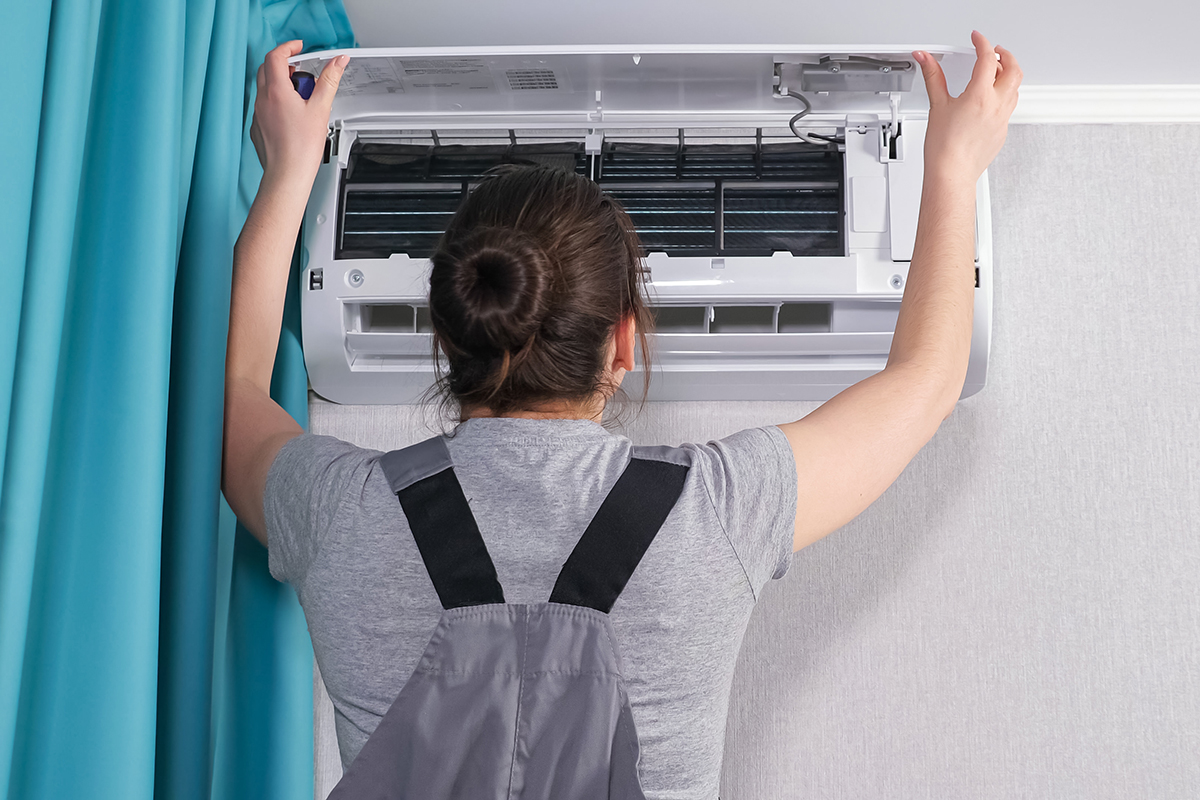
Invoking the spirit of comfort, mini-split systems delicately balance the nuances of heating and cooling in a singular, efficient package. Imagine a masterful conductor overseeing a symphony, ensuring each section harmonizes flawlessly to create an environment of tranquil equilibrium. This guide delves into the financial landscape of installing a mini-split system, illuminating the various components that influence the overall cost while seamlessly weaving in the unique benefits these systems provide.
Understanding Mini-Split Systems
Before exploring the costs, it is essential to unpack what makes mini-split systems enticingly unique. Unlike conventional HVAC systems that suffer the cumbersome constraints of ductwork, mini-splits appear as sleek, efficient apparitions. They consist of an outdoor compressor unit and one or more indoor air-handling units, permitting customizable comfort tailored to various rooms or zones within your home. This flexibility in design champions both energy efficiency and spatial aesthetics, leading to an increasing popularity among homeowners.
Initial Investment: The Price Tag
Embarking on the journey to install a mini-split system requires an upfront investment that can fluctuate significantly based on various factors. The baseline cost typically ranges from $2,000 to $5,000. This price encompasses the unit’s purchase, labor, and auxiliary materials. However, like a tapestry rich with detail, the total cost can be influenced by myriad aspects:
- Type of Mini-Split System: Mini-splits exist as single-zone or multi-zone options. A single-zone system might cost less, whereas multi-zone configurations offer versatility at a higher price point. Expect to pay around $3,000 to $4,500 for a multi-zone installation due to the increased complexity.
- Brand and Efficiency Ratings: The brand you choose plays a pivotal role in the cost narrative. High-end brands celebrated for their superior efficiency may command prices toward the top tier of the scale. Meanwhile, opting for models with higher Seasonal Energy Efficiency Ratios (SEER) can lead to long-term savings.
- System Size: The phrase ‘too big or too small’ resonates vividly in the HVAC realm. Proper sizing ensures effective heating and cooling—an undersized unit may struggle, while an oversized one may lead to inefficiencies and discomfort.
- Installation Complexity: The landscape surrounding your home can dictate labor costs. A straightforward installation may be unencumbered by hurdles, while intricate exteriors or the need for additional electrical work can inflate costs significantly. Budgeting for $1,000 to $2,000 in labor is not uncommon.
- Location: Regional differences can greatly impact expenses due to variations in material costs, labor rates, and permit requirements. Urban areas might encounter higher pricing compared to suburban or rural locales.
Installation Process: A Seamless Dance
The installation process is akin to a well-rehearsed performance. Following the initial consultation, the technician will strategically place the components. This usually involves:
- Mounting the Indoor Unit: Precision is key as the indoor unit is mounted on the wall or ceiling. Correct placement optimizes airflow and comfort.
- Setting Up the Outdoor Unit: This unit, which serves as the heart of the system, is typically positioned outside your home on a stable surface, allowing easy access for future maintenance.
- Connecting the Lines: Copper tubing and wiring will connect the indoor and outdoor units, akin to threads weaving a fabric. Proper insulation ensures efficiency and performance.
- Electrical Connections: Establishing a secure electrical supply is paramount, and this may require the expertise of a licensed electrician.
- Testing the System: The final act is a thorough testing process, ensuring each unit operates optimally, contributing to that coveted comfort.
Long-Term Cost Considerations: Beyond Initial Outlay
The immediate cost of installing a mini-split system can be exhilarating but contemplating the long-term benefits is equally essential. The operational costs of mini-splits tend to be lower than traditional systems, primarily due to their energy-efficient designs. Homeowners can anticipate savings of up to 30% on energy bills, significantly justifying the initial investment over time.
Furthermore, the durability of these systems often results in lower maintenance expenses compared to traditional units, with an average lifespan ranging from 15 to 20 years. Regular maintenance can extend this further, ensuring your initial investment continues to yield returns.
Incentives and Rebates: A Silver Lining
To sweeten the deal, local and federal governments frequently offer incentives for upgrading to more energy-efficient systems. Rebates and tax credits can alleviate the initial outlay, turning this investment into an even more alluring proposition. Investigating available programs in your area may unveil hidden treasures that further enhance the affordability of your installation.
Conclusion: The Unveiling of Comfort
In the grand tapestry of home comfort, the installation of a mini-split system is a transformative thread, weaving together efficiency, aesthetics, and financial prudence. While the initial investment may seem daunting, understanding the components at play shines a light on the myriad benefits that await. As you chart your course toward personalized climate control, consider the lasting advantages of this system—a harmonious balance of comfort, efficiency, and savings, culminating in a resounding success for your living environment.







Leave a Comment