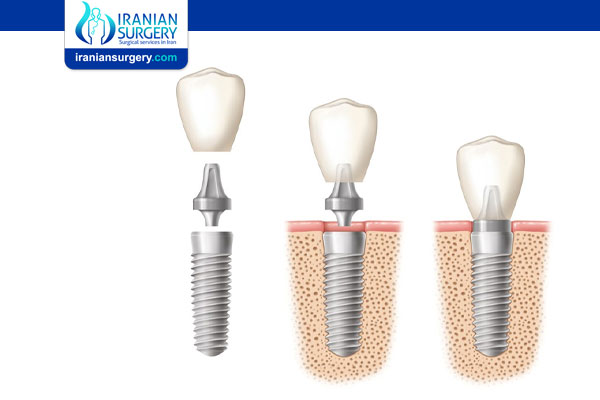
Life’s unexpected tribulations often unfold like a puzzle missing a crucial piece. One such puzzling moment may manifest when a dental cap dislodges, prompting a cascade of questions and concerns. Much like a ship losing its anchor in tumultuous seas, the absence of a dental cap can instill a sense of vulnerability. This article explores the intricacies surrounding dislodged dental caps, offering insight, guidance, and a sense of reassurance during this disconcerting experience.
Understanding the Dental Cap
A dental cap, commonly referred to as a crown, is akin to a protective helmet for your tooth. It encases and shields a compromised tooth from further harm, facilitating both aesthetic and functional restoration. Crowns are typically composed of materials such as porcelain, metal alloys, or resin, each chosen for its durability and ability to mimic natural teeth. When properly affixed, they allow individuals to chew and smile with confidence, akin to a sturdy fortress safeguarding a precious treasure.
The Reasons Behind Dislodgement
Like a tree uprooted in a storm, crowns can be displaced for several reasons. Understanding these causes can illuminate the path to prevention and remedy:
- Wear and Tear: Over time, the constant forces of chewing and grinding can erode the bond between the crown and the underlying tooth, leading to dislodgement.
- Cavity Formation: If an underlying tooth develops decay, the weakened structure can impair the crown’s stability, making it prone to falling out.
- Inadequate Fit: A poorly fitted crown, which may be too loose or improperly contoured, is at heightened risk of dislodgement.
- Trauma: An unexpected impact, much like a rogue wave crashing onto shore, can dislodge a crown, whether from an accident or even intense teeth grinding (bruxism).
The Immediate Response
Should you find yourself grappling with the dilemma of a fallen dental cap, it is essential to remain calm and assess the situation. First and foremost, it’s crucial to locate the dislodged crown, treating it with the care one would afford a delicate artifact. Rinse it gently to remove any debris, ensuring it remains uncontaminated. If possible, avoid attempting to reattach it yourself, as this could exacerbate the situation.
Following this initial step, reach out to your dentist at the earliest opportunity. Time is of the essence, as the longer a tooth remains exposed, the higher the risk of complications. In a way, each passing moment may feel like watching sand slip through an hourglass, urging you to take action.
Temporary Solutions
While awaiting your dental appointment, several temporary measures can help soothe discomfort and protect the exposed tooth:
- Dental Adhesive: Over-the-counter dental cement can offer a temporary solution to secure the crown back in place. It’s essential, however, to prioritize professional care for a permanent fix.
- Soft Diet: Opting for softer foods can minimize pressure on the affected area, allowing you to navigate this challenging time with relative ease.
- Pain Management: If discomfort arises, mild over-the-counter pain relievers can alleviate discomfort, much like a gentle balm on a sore wound.
Professional Solutions
When you finally meet with your dentist, they will conduct a thorough examination of both the crown and the underlying tooth. Several pathways may unfold, each with its considerations:
- Re-cementing the Crown: If the crown is in good condition and the tooth beneath it remains healthy, your dentist may simply re-cement it and provide it with a new lease on life.
- Tooth Preparation: Sometimes, adjustments to the tooth or crown may be necessary to ensure a proper fit, akin to tailoring a fine suit for a flawless presentation.
- Replacement Crown: If the crown has sustained damage or the tooth is compromised, your dentist may recommend fabricating a new crown, ensuring longevity and optimal function.
Preventive Measures for the Future
In the aftermath of a dislodged crown, taking preventive measures can fortify your oral health and minimize future mishaps:
- Regular Dental Check-Ups: Routine visits allow for early detection of potential issues, much like a lighthouse guiding ships safely to harbor.
- Proper Oral Hygiene: Maintaining a diligent oral care regimen can ward off decay and disease, ensuring the foundation of your dental work remains strong.
- Avoid Stressors: Addressing teeth grinding through relaxation techniques, mouthguards, or other interventions can significantly reduce the risk of crown dislodgement.
Conclusion
The experience of a dental cap falling out can evoke a sense of trepidation, akin to a thrilling cliffhanger in a gripping narrative. Yet this episode can serve as a reminder of the fragility of our dental constructs and the importance of proactive care. With the right steps, support from your dental professional, and an emphasis on preventive practices, you can navigate this challenge and emerge with a healthier, more resilient smile. Like a phoenix rising from its ashes, your dental health can be restored, allowing you to face the world with renewed confidence and vitality.









Leave a Comment